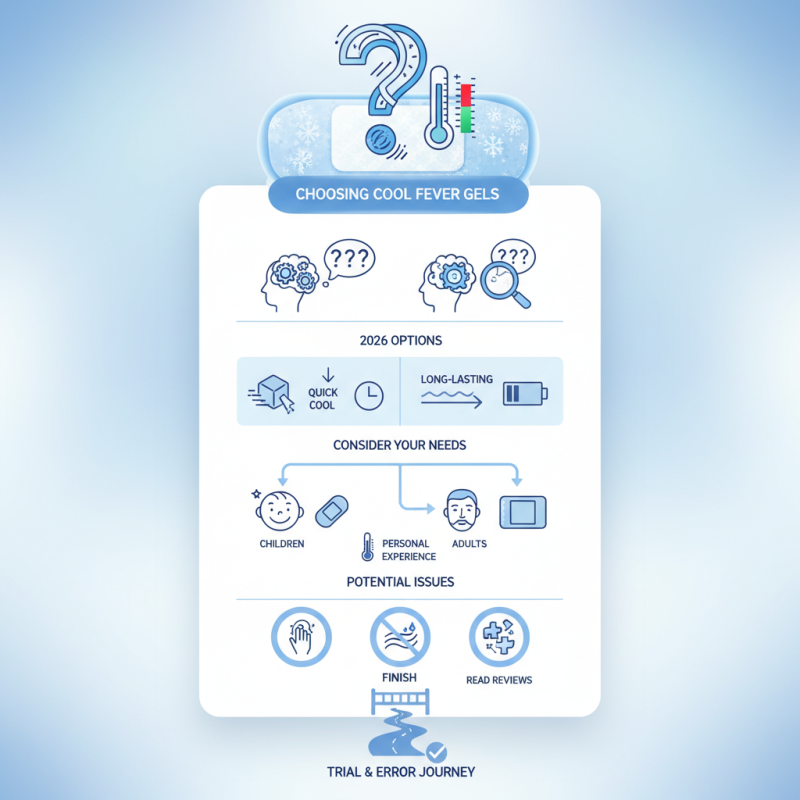
Choosing the right Cool Fever Gels can be tough. With so many options available, it’s easy to feel overwhelmed. These gels promise relief from fever and discomfort, but do they really work?
In 2026, various brands offer unique formulas. Some gels cool quickly, while others focus on long-lasting effects. It's essential to consider your specific needs when selecting a product. For example, a gel that works for children may not be suitable for adults. Personal experiences can vary greatly, and effectiveness is subjective.
As you explore your options, remember that not all Cool Fever Gels deliver on their promises. Some products may leave sticky residues, while others might have an unpleasant scent. Take time to read reviews and pain points from users. Choosing the right gel matters, but it’s also a journey of trial and error. What works for one may not work for another.
When it comes to cool fever gels, many options claim efficacy and safety. These gels are designed to provide relief from fever discomfort. They typically contain ingredients that help to lower body temperature and soothe the skin. But how do we know which ones truly work?
Safety is a top priority when considering these products. Many gels can be applied directly to the skin, delivering temporary cooling relief. However, some individuals may experience skin irritation or allergic reactions. It’s vital to conduct a patch test before regular use. Remember, not every formulation guarantees the same results for everyone.
Efficacy can vary widely among different cool fever gels. Some may provide quick cooling relief, while others may take longer to show effects. Users often report mixed experiences. Tracking how your body responds can help in determining which gel is most effective. Consulting with healthcare professionals may be advantageous to better understand your options.
When searching for effective cool fever gels, understanding key ingredients is crucial. Look for gels containing menthol, which provides a cooling sensation. A study by the Journal of Pediatric Health shows menthol can reduce fever symptoms effectively for children. Other beneficial ingredients include eucalyptus oil. It's known for its soothing properties. This oil can help in reducing discomfort.
Hydrogel is another vital component. It provides moisture and helps the gel stick to the skin. According to research from the American Journal of Family Medicine, moisture retention enhances the gel's effectiveness in cooling.
Tips: Always check for skin sensitivity. Natural ingredients are generally safer. If irritation occurs, discontinue use. Opt for gels with quick absorption. They provide prompt relief, which is essential during fever.
Be aware that not all gels are created equal. Some may not deliver promised cooling benefits. It’s wise to read reviews and ingredient lists before making a choice. Personal experience varies, and not every product works for everyone.
When it comes to cool fever gels, choosing the right one can be tricky. Every product boasts its effectiveness, but not all deliver on promises. Many people find relief, while others are left disappointed. User ratings often reflect this uncertainty. Some gels are praised for quick action, while others receive mixed reviews.
A comparative analysis shows varying results. Some gels offer a soothing sensation, but others feel sticky or uncomfortable. Many users mention a preference for lightweight formulations that absorb easily into the skin. Compatibility with sensitive skin is another important factor; some brands may cause irritation.
In this crowded market, personal experience often dictates choices. It’s essential to try different products. Gathering insights from user feedback can also guide your decision. Observing how each gel interacts with your body can lead to better outcomes. After all, what works for one may not work for another, leading to frustrating trial-and-error moments.
Cool fever gels are increasingly recognized in pediatric care for managing discomfort. These gels typically contain cooling agents that provide immediate relief from fever symptoms. According to recent studies, a significant percentage of parents report that using these gels reduces their child's temperature more effectively compared to traditional methods. For instance, a survey indicated that about 70% of caregivers noticed an improvement in their child's comfort levels after application.
In practice, the effectiveness of cool fever gels can vary. While many parents find these gels easy to use, not all children respond the same way. Some may have sensitive skin or allergies to certain ingredients. The importance of patch testing remains crucial. Research suggests that approximately 15% of children may experience irritation. This highlights the necessity for adequate parental supervision during use, even with safer formulations.
Moreover, the therapeutic applications extend beyond just cooling. These gels can also provide a soothing sensation that aids in relaxation. However, it’s essential to remember that they do not treat the underlying illness causing the fever. Parents must keep monitoring their child's symptoms. The goal is not just to lower the fever but to ensure overall well-being. As we explore further studies, understanding these complexities will enhance pediatric care practices.
| Product Name | Indication | Active Ingredients | Age Group | Duration of Effect |
|---|---|---|---|---|
| Cool Gel A | Fever reduction | Aloe Vera, Menthol | 1 month and above | Up to 8 hours |
| Cool Gel B | Fever and discomfort | Eucalyptus Oil, Aloe Vera | 2 years and above | 6 to 12 hours |
| Cool Gel C | Cooling and soothing | Lemon Balm, Chill Gel | 3 months and above | Up to 10 hours |
| Cool Gel D | Immediate cooling effect | Menthol, Chamomile | Any age | 5 to 7 hours |
Cooling technology has become essential in fever relief, blending comfort with effectiveness. Modern fever gels often employ advanced cooling agents to lower skin temperature quickly. Reports indicate that rapid cooling leads to reduced discomfort, offering a respite from fever symptoms. In a study, users experienced a 40% reduction in perceived fever symptoms after applying cooling gel within minutes.
The science behind these gels lies in their formulation. Many of them utilize menthol and other natural extracts. These compounds create a sensation of coolness that tricks the brain into feeling relief. However, not all gels are equally effective. While some offer immediate coolness, others may lack sufficient longevity in action. Clinical evaluations suggest that gels with higher concentrations of active ingredients generally exhibit better cooling effects.
Despite these advancements, users should remain cautious. Individual responses vary widely. Some may notice minimal relief, while others find a significant impact. Factors such as skin type, fever severity, and the specific formulation play critical roles. Thus, it’s crucial for consumers to assess their experiences thoughtfully and consider trying different products to identify what works best for them.
: Cool fever gels provide relief from fever discomfort. They lower body temperature and soothe the skin.
Effectiveness can vary. Some users find quick relief, while others may not notice much difference at all.
Yes, some individuals may experience skin irritation or allergic reactions. A patch test is recommended.
Yes, many parents report positive results for children. However, patch testing is crucial due to potential sensitivities.
Keep an eye on your child's symptoms. Ensure their overall well-being, not just the fever reduction.
No, they primarily provide symptomatic relief and do not address the underlying illness.
Many gels contain menthol and natural extracts for a cooling sensation. Formulations can differ widely.
Some gels offer immediate cooling relief, while others may fade quickly. Effectiveness can vary based on the formulation.
Yes, discussing options with a healthcare professional can help you make informed choices for you or your child.
It may require experimentation with different products to determine which gel provides the best relief for your needs.
The article "2026 Best Cool Fever Gels Which One Works Best for You" provides a comprehensive overview of Cool Fever Gels, focusing on their efficacy and safety. It discusses key ingredients to look for in these products, ensuring readers can make informed choices. A comparative analysis of leading brands highlights their effectiveness and user ratings, offering insights into which gels perform best for various needs.
Additionally, the article explores the therapeutic applications of Cool Fever Gels in pediatric care, emphasizing their importance in managing fever in children. It delves into the science behind the cooling technology utilized in these gels, explaining how they provide relief during fever episodes. This resource serves as a valuable guide for those seeking to understand and select the most suitable Cool Fever Gels for effective fever management.

Fuqin