2026 Best Feet Warmers for Cold Feet?

Time:2026-10-05 Author:Sophia
0%

Cold feet can turn a short winter walk into an uncomfortable struggle. The 2026 guide to the best Feet Warmers examines practical options for homes, offices, hiking trails, and icy commutes. It considers electric foot warmers, rechargeable insoles, heated socks, chemical warmers, and simple thermal designs. Each product type creates warmth differently. Some rely on batteries. Others depend on insulation or gentle chemical reactions.

Comfort matters most.

Podiatrist Dr. Rebecca Pruthi offers a useful reminder: “Warm feet should feel comfortable, not trapped, sweaty, or numb.” That principle shapes this guide. The strongest Feet Warmers should provide steady heat without creating pressure points inside shoes. They should also feel lightweight, washable when appropriate, and simple to control with cold fingers. Battery life deserves close attention. A warmer that lasts two hours may disappoint during a full-day trip. A warmer that becomes excessively hot may create another problem.

Real-world testing can reveal details that product pages overlook. Does the device slide under the heel? Does the cable interfere with walking? Can the user adjust heat while wearing gloves? These small issues matter. Still, no warming product is perfect. Foot shape, circulation, footwear, and personal sensitivity change the experience. People with diabetes, reduced sensation, or circulation concerns should ask a qualified healthcare professional before using heated products. This guide compares performance, safety features, materials, and value, while admitting one limitation: the warmest option is not always the most comfortable one.
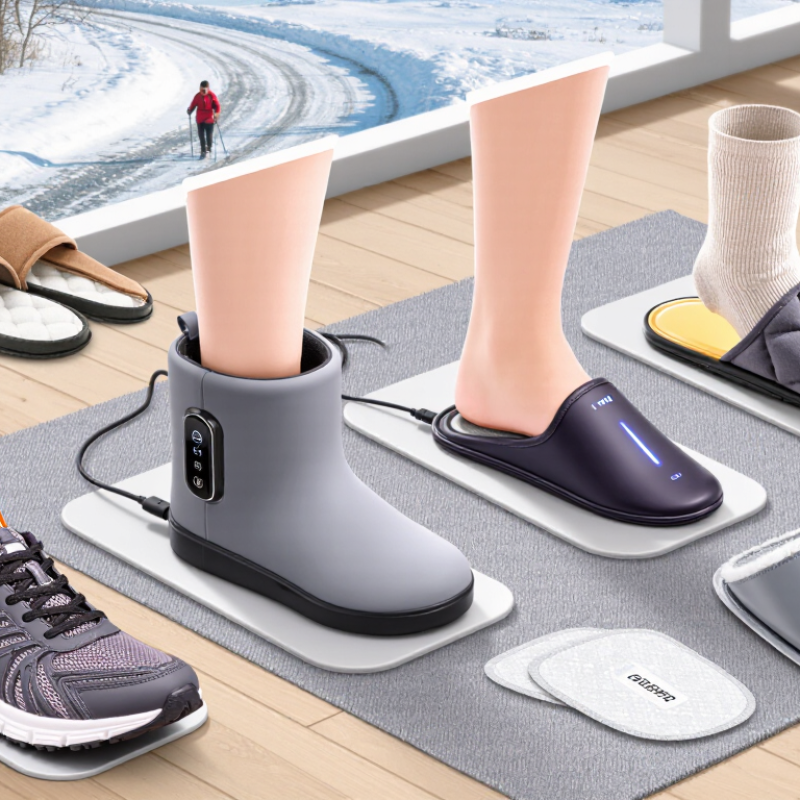
2026 Best Feet Warmers for Cold Feet?

What Are Feet Warmers and How Do They Work?

2026 Best Feet Warmers for Cold Feet?

What Are Feet Warmers and How Do They Work?

Feet warmers are small products designed to add heat inside shoes, boots, or socks. They may use air-activated chemicals, rechargeable batteries, or reusable gel. Air-activated warmers usually contain iron powder, salt, water, and carbon. Once opened, oxygen starts a slow oxidation reaction. This reaction releases gentle heat for several hours.

Electric warmers use thin heating elements. A battery sends power through these elements, creating warmth around the toes or soles. Reusable gel warmers work differently. A flexible pouch stores heat after being warmed in water or by another safe method. Their temperature can feel uneven, especially in tight footwear. The trade-off is easy to miss.

A useful warmer should feel comfortably warm, not hot. Check the package instructions before placing it against bare skin. Avoid folding heated products sharply, and do not use them while sleeping. People with diabetes, reduced circulation, or limited heat sensitivity should ask a healthcare professional first. Even healthy users can develop irritation without noticing it. Keep feet dry, because damp socks make heat disappear quickly. A thin moisture-wicking sock often works better than a thick cotton one. No warmer is perfect. Cold feet may also come from poor-fitting shoes, restricted circulation, or insufficient movement. Warming the feet helps, but it may not solve the real cause.

2026 Best Feet Warmers for Cold Feet? - What Are Feet Warmers and How Do They Work?

Feet Warmer Type How It Works Typical Warmth Duration Best Use Main Advantages Important Considerations
Air-Activated Toe Warmers A sealed pouch releases heat when exposed to air. Iron powder gradually oxidizes, producing heat through an exothermic reaction. Approximately 5–10 hours, depending on airflow, temperature, and use. Outdoor activities, commuting, hiking, skiing, and short-term cold exposure. Thin, portable, lightweight, and ready to use without batteries. Use only as directed. Do not place directly against bare skin or use while sleeping; reduced circulation can increase burn risk.
Reusable Gel Warmers A supersaturated solution crystallizes after activation, releasing stored chemical energy as heat. Many models are reset by heating in water. Usually about 30–90 minutes per activation. Brief walks, desk use, emergency kits, and occasional cold hands or feet. Reusable, compact, and produces heat immediately after activation. Must be fully reset before reuse. Inspect for leaks or damage and follow the heating instructions carefully.
Battery-Heated Insoles Rechargeable batteries supply electricity to thin heating elements embedded in or beneath the insole. Commonly about 3–8 hours, depending on heat setting, battery capacity, and outdoor temperature. Long outdoor activities, winter work, camping, and repeated use. Adjustable heat, reusable design, and more consistent warmth than disposable warmers. Requires charging. Added thickness may affect shoe fit, and batteries can lose capacity in very cold conditions.
Heated Socks Small electrical heating elements are sewn into the sock, usually near the toes or across the top of the foot. Often around 3–10 hours, depending on the battery and selected heat level. Skiing, outdoor work, walking, and people who need warmth around the entire foot and ankle. Combines insulation with active heating and reduces the need for adhesive warmers. Follow washing and battery-removal instructions. Avoid tight footwear, which can restrict circulation and reduce insulation.
Insulating Thermal Insoles Foam, felt, wool, or reflective layers reduce heat loss by limiting conduction and reflecting some radiant heat back toward the foot. Provides warmth for as long as the footwear is worn; no battery or chemical reaction is required. Daily winter footwear, work boots, and situations where passive insulation is sufficient. Quiet, reusable, low-maintenance, and generally less expensive to operate. Does not actively generate heat. A poor fit or compressed insulation can significantly reduce effectiveness.
Microwaveable Heat Packs A heat-safe pack filled with materials such as grain, clay, or other heat-retaining substances is warmed before use. Usually about 30–90 minutes, depending on pack size, filling, and insulation. Indoor relaxation, warming a bed, or warming feet while seated. Simple, reusable, and does not require batteries during use. Heat only according to the product instructions. Overheating can cause burns or damage the pack.
Warm Foot Bath Warm water transfers heat directly to the skin and surrounding tissues through conduction and convection. Immediate warmth, but the effect may fade after the feet are removed unless they are dried and insulated. Home use when feet are cold after exposure to low temperatures. Provides rapid, whole-foot warming and can be relaxing. Use comfortably warm rather than hot water. People with reduced temperature sensation should seek medical guidance before using heat therapy.

Selection tip: Choose passive insulation for everyday use, disposable warmers for occasional outdoor exposure, and rechargeable heated insoles or socks for adjustable warmth during extended activities. Warmers should supplement—not replace—properly fitting, insulated footwear.

Which Types of Feet Warmers Are Available in 2026?

In 2026, foot warmers come in several distinct forms, and each suits a different cold-weather routine. Heated socks use slim battery-powered elements near the toes or under the sole. They work well for outdoor workers, hikers, and people waiting at winter events. Temperature controls can improve comfort, but thick batteries may press against the ankle. Fit matters. Washability also deserves attention, because moisture can damage heating components.

Heated insoles sit inside ordinary shoes and warm the sole evenly. They are useful when boots have enough room, yet poor fitting can create pressure beneath the arch. Rechargeable models reduce waste from disposable cells, although charging time and battery life vary widely. Some newer designs add app controls and separate heat zones, but extra features can reduce simplicity. Some units provide gentle warmth for several hours; others fade quickly in freezing air. That difference is easy to miss in an online listing.

Chemical toe warmers remain simple, lightweight, and convenient. They activate after exposure to air and usually fit inside socks or footwear. Their heat is steady, but placement matters. Direct skin contact may cause irritation or burns, especially during long use or with reduced sensation. Electric slippers and heated foot mats offer stronger comfort indoors. They suit desks, sofas, and recovery after a cold commute. No option is perfect. A safer choice includes dry feet, moderate heat, regular checks, and clear instructions. People with poor circulation or reduced sensation should seek medical advice before using heated products.

How to Choose a Feet Warmer for Cold Feet

2026 Best Feet Warmers for Cold Feet?

Choosing a feet warmer starts with the cause of your cold feet. For occasional winter discomfort, choose gentle, adjustable heat with a timer. A low setting should feel warm, never hot. Look for automatic shutoff, overheat protection, and a washable cover. Moisture matters too. Dry, breathable materials can reduce clamminess inside socks.

Size and movement also matter. A heated mat suits desk work, while heated socks work better during outdoor walks. Foot inserts may feel convenient, but they can compress toes inside tight shoes. Check the product’s measurements against your footwear. The U.S. Consumer Product Safety Commission repeatedly warns about overheating risks from household heating devices. Do not sleep with an active warmer, even when it has a timer.

Safety deserves more attention when sensation is reduced. The CDC’s National Diabetes Statistics Report, 2024, estimates that 38.4 million Americans have diabetes. Some may not notice excessive heat or minor skin damage. People with diabetes, poor circulation, neuropathy, or unexplained cold feet should ask a healthcare professional first. A warmer can comfort cold toes, but it cannot correct an underlying condition. I would also avoid choosing by temperature claims alone. Independent testing, clear instructions, and realistic user reviews are more useful. No model is perfect.

2026 Best Feet Warmers for Cold Feet: How to Choose

Typical usable warmth duration varies by warmer type. Use runtime, reusability, heat control, and indoor or outdoor use to choose the most suitable option for cold feet.

The figures show common product-category ranges rather than brand-specific data. Actual performance depends on temperature, insulation, battery capacity, airflow, and usage conditions.

Safety Features and Proper Use of Feet Warmers

Cold feet can make a winter walk uncomfortable, but warmth should never come at the cost of skin safety. The best feet warmers should offer controlled heat, secure placement, and clear usage instructions. Automatic shutoff helps prevent prolonged heating. A soft barrier should separate the warmer from bare skin. Never place a disposable warmer directly against your feet.

Check the product before every use. Look for tears, leaks, damaged wires, or swollen battery packs. Keep electric warmers dry, and avoid folding heating elements sharply. Do not wear them while sleeping. A person with diabetes, poor circulation, reduced sensation, or sensitive skin should ask a healthcare professional before use. Heat injuries can develop quietly.

During use, inspect your feet every 20 to 30 minutes. Watch for redness, burning, numbness, or unusual tingling. Remove the warmer immediately if anything feels wrong. I once focused too much on comfort and ignored mild numbness; that was a poor decision. Warmth is not proof of safety. Disposable warmers also need ventilation, so do not seal them inside airtight coverings. Keep them away from children and pets, and follow the stated disposal instructions. A lower setting may feel less impressive, but it is often easier to control.

How to Compare Comfort, Cost, and Energy Efficiency

2026 Best Feet Warmers for Cold Feet?

Choosing a foot warmer is less about maximum heat and more about matching comfort, cost, and energy use. Heated insoles suit people who walk outdoors, while electric foot mats work better under a desk. Warm socks are simpler, but they cannot create heat by themselves. Check temperature controls, surface softness, cable length, and pressure points. Feet should feel gently warm, never hot or numb.

Cost needs a wider view. Compare the purchase price with daily electricity use and replacement needs. A 40-watt warmer used for four hours consumes about 0.16 kilowatt-hours. Multiply that figure by your local electricity rate. Small calculations help. Battery-powered models may feel convenient, yet frequent charging can become irritating. Reusable non-electric warmers avoid power costs, though their warmth may fade unevenly. No option is perfect.

Tips: Look for adjustable settings, automatic shutoff, washable covers, and clear safety instructions. Test the lowest setting first, especially if you have reduced heat sensitivity. Measure your real routine for one week before buying. My first comparison would probably overvalue strong heat; that is a mistake. Quiet comfort, steady warmth, and manageable running costs often matter more at 7 a.m. than impressive specifications.

FAQS

What are feet warmers?

Feet warmers are small products placed inside shoes, boots, or socks. They add warmth around the toes or soles. Some last several hours.

How do air-activated warmers work?

They usually contain iron powder, salt, water, and carbon. After opening, oxygen starts a slow reaction. This reaction releases gentle heat.

How do electric feet warmers produce heat?

A battery sends power through thin heating elements. The elements warm selected areas, such as the toes or soles. Adjustable settings are useful.

How do reusable gel warmers work?

A flexible pouch stores heat after warming in water or another safe way. Heat may feel uneven inside tight footwear. That trade-off is easy to miss.

How should I choose a warmer for winter walks?

Heated socks suit walking better than desk-based warming mats. Check measurements against your shoes. Tight inserts may compress your toes and reduce comfort.

What safety features should a feet warmer have?

Look for automatic shutoff, overheat protection, clear instructions, and a washable cover. The product should feel warm, never hot. Check the package first.

Can I wear a feet warmer while sleeping?

No. Do not sleep with an active warmer, even if it has a timer. Avoid sharply folding heated products. Skin irritation can develop unnoticed.

Who should ask a healthcare professional before using one?

People with diabetes, reduced circulation, neuropathy, or limited heat sensitivity should ask first. Unexplained cold feet also deserve attention. Warmth may hide skin damage.

How can I make a warmer work better?

Keep your feet dry and wear thin moisture-wicking socks. Damp socks quickly reduce warmth. A thick cotton sock is not always better.

Can a feet warmer fix persistently cold feet?

Not necessarily. Poor-fitting shoes, restricted circulation, or little movement may be the real cause. A warmer offers comfort, but the choice can still be wrong.

Conclusion

Feet Warmers are practical devices designed to provide targeted heat for cold feet by transferring warmth through insulated materials, gentle air circulation, or low-temperature electrical elements. In 2026, available options may include reusable heat packs, battery-powered inserts, heated socks, warming insoles, and compact foot warmers for home or office use. Each type offers different benefits in portability, heating duration, comfort, and maintenance, so the best choice depends on personal needs and daily activities.

When selecting Feet Warmers, consider adjustable temperature settings, even heat distribution, breathable materials, reliable controls, and automatic shutoff features. Proper use is essential: follow the instructions, avoid excessive heat, inspect products for damage, and never use electrical warming devices while sleeping unless specifically designed and approved for that purpose. Comparing purchase price, operating cost, durability, energy consumption, and comfort can help users find a safe and efficient solution for consistently cold feet.

Sophia

Sophia

Sophia is a dedicated marketing professional with an exceptional depth of knowledge about her company's products and services. With a keen understanding of market trends and customer needs, she crafts insightful blog posts that not only inform but also engage readers, enriching the company’s online......