What Are the 2026 Top Heat Patch Types?

Time:2026-10-28 Author:Aria
0%

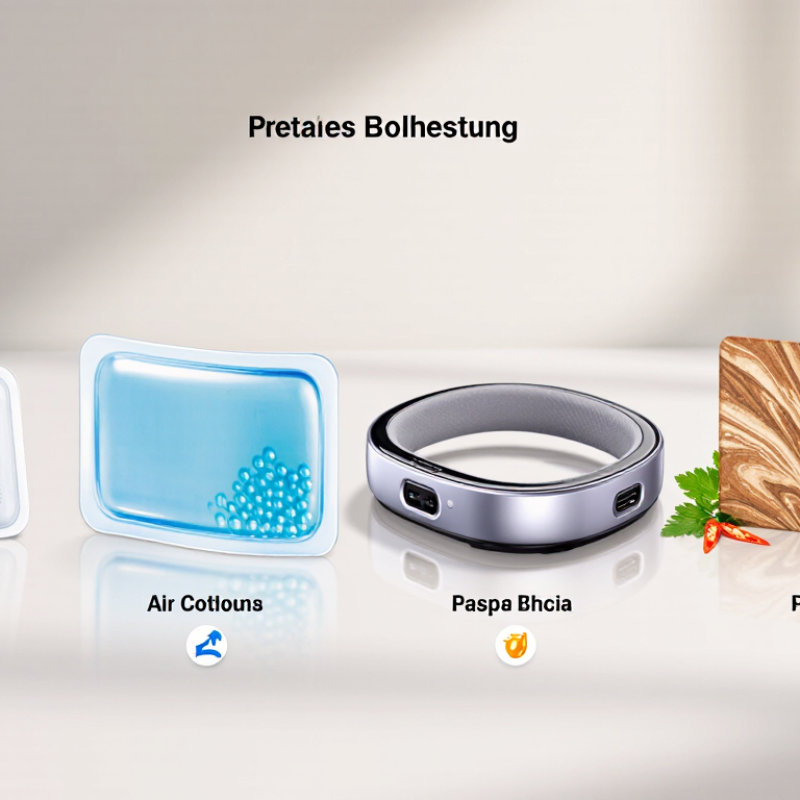
Heat Patch technology is becoming more varied in 2026. Consumers can now choose from air-activated disposable patches, reusable gel designs, electric wearable patches, and botanical warming formats. Each type creates warmth differently. Each also carries different expectations.

Dr. Edward Laskowski, a Mayo Clinic sports medicine physician, explains, “Heat can help relax and loosen muscles and improve blood flow.” This principle still guides modern Heat Patch development. However, stronger warmth does not automatically mean better relief. A patch that feels comfortable for one user may irritate another person’s skin.

The most practical comparison begins with heating duration, temperature control, flexibility, and application area. Disposable patches often suit travel and short-term use. Reusable gel patches reduce waste but require heating and careful temperature checks. Electric patches offer adjustable warmth, although batteries and cables may limit movement. Botanical or capsaicin-based patches create a different sensory effect, sometimes with noticeable tingling.

Small details matter. A thin patch may fit beneath a shirt. A breathable adhesive may reduce moisture during a long commute. Still, product claims should be examined carefully. “Natural” does not always mean gentle. Clinical evidence also varies between formulas and manufacturers.

Users should follow the label, inspect the skin, and avoid applying heat over numb or damaged areas. Sleeping with an active patch may be unsafe. This overview cannot promise the best choice for everyone. Personal comfort, skin sensitivity, pain cause, and medical guidance remain important. The 2026 market looks more innovative, but not every innovation is equally useful.
What Are the 2026 Top Heat Patch Types?

What Heat Patches Are and How They Work

Heat patches are thin warming pads placed over clothing or directly on the skin, depending on their instructions. They do not remove the cause of pain. Instead, they deliver controlled warmth to a small area. Many disposable patches use air-activated iron powder. When oxygen enters the patch, a slow oxidation reaction releases heat for several hours. The adhesive layer holds the patch close to a tense muscle. Simple chemistry, but useful.

Common 2026 options include disposable adhesive patches, reusable gel pads, and electric heating patches. Reusable gel pads are warmed in hot water or cooled briefly before use. Electric versions rely on heating elements and temperature controls. They may provide steadier warmth, but charging, wires, and damaged insulation require attention. In practical use, comfort depends on fit and moisture, not only heat strength. A mild patch can still irritate sensitive skin.

Warmth may relax tight muscles and increase local blood flow, making movement feel easier. It does not diagnose an injury or repair damaged tissue. Follow the stated temperature and wearing time. Check the skin regularly, especially with reduced sensation, diabetes, or poor circulation. Never place a patch on broken skin or under tight bandaging. Remove it after burning, itching, dizziness, or unusual redness appears. Stronger heat is not automatically better. That claim deserves caution. Persistent, severe, or unexplained pain needs professional medical advice.

The Main Heat Patch Types Available in 2026

What Are the 2026 Top Heat Patch Types?

The Main Heat Patch Types Available in 2026

Heat patches now come in several practical forms. Air-activated patches use iron powder, salt, water, and carbon. Oxygen starts a steady warming reaction after opening. They are thin, portable, and usually designed for single use.

Adhesive chemical patches offer targeted warmth on the lower back, shoulders, or joints. Reusable gel patches can be cooled or warmed, depending on their instructions. Some contain phase-change materials that provide more even heat after activation. Electric patches use rechargeable batteries and adjustable temperature settings. They can be useful at home, but charging and wire placement require attention. I have found that convenience does not always mean better comfort. Heat strength, wearing time, and skin sensitivity vary greatly.

Tips: Place the patch over clothing when the label allows it. Check your skin every 20 minutes during early use. Stop immediately if you notice burning, unusual redness, numbness, or swelling. Do not sleep with a heat patch unless medical guidance and product instructions clearly permit it. People with reduced sensation, poor circulation, diabetes, or fragile skin should seek professional advice first. Children and pregnant users also need extra caution. A patch may ease temporary muscle discomfort, but it does not identify or treat the underlying cause. Some products feel mild at first, then become surprisingly hot. That is easy to underestimate.

What Are the 2026 Top Heat Patch Types? – The Main Heat Patch Types Available in 2026

Heat patch type How it produces heat Typical usable duration Typical temperature profile Best suited for Main advantages Important considerations
Air-activated iron-powder patch Iron powder slowly oxidizes when exposed to oxygen. Salt, water, activated carbon, and minerals help regulate the reaction. Usually about 6–12 hours, depending on the design, airflow, and placement. Gradual warming that commonly reaches approximately 40–55°C at the patch surface; actual skin temperature is lower and varies by use conditions. Long-lasting back, shoulder, neck, menstrual, and general muscle comfort. Thin, portable, disposable, and able to provide steady heat without a power source. Do not place directly on bare skin unless the product instructions specifically allow it. Avoid use while sleeping, and check the skin regularly to reduce burn risk.
Air-activated adhesive body patch Uses the same controlled oxidation principle as iron-powder warmers, with an adhesive backing designed for clothing or limited skin contact. Commonly 8–12 hours, although heating time varies by size and ventilation. Moderate, sustained warmth rather than an immediate high-temperature output. Localized warmth during commuting, outdoor activities, work, or exercise recovery. Hands-free and convenient; remains in position under clothing when applied as directed. Adhesives may irritate sensitive skin. Do not fold, cut, puncture, microwave, or combine with another heat source.
Reusable sodium-acetate crystallization patch A flexible disc or activator triggers crystallization in a supersaturated sodium-acetate solution, releasing stored heat. Typically 30–90 minutes per activation; the unit can be reset by heating it in hot water according to the instructions. Fast initial warming, often around 50–z60°C inside the pack, with the surface temperature declining as heat is released. Short periods of targeted warmth for hands, small muscle areas, and travel. Reusable, low-waste, and does not require batteries during use. Must be fully reconditioned before reuse. The pack can become hot, so a fabric barrier and regular skin checks are advisable.
Reusable gel heat patch A water-based gel stores heat after being warmed in hot water or, when specifically permitted, in a microwave. Usually 20–60 minutes, depending on gel volume, insulation, and room temperature. Adjustable from warm to hot, but heat distribution may be less uniform as the gel cools. Home use for localized muscle tightness, menstrual discomfort, and relaxation. Reusable and flexible; can often be used hot or cold when designed for both purposes. Follow the heating method and time limits exactly. Inspect for leaks, and never apply a damaged pack to the skin.
Battery-powered electric heat patch A resistive heating element converts electrical energy from a rechargeable or replaceable battery into controlled warmth. Commonly 2–8 hours per charge, depending on heat setting, battery capacity, and ambient temperature. Selectable levels, often approximately 35–55°C at the heating element; built-in controls may regulate output. Repeated use at home, work, travel, or during outdoor activities when adjustable heat is useful. Adjustable intensity, reusable operation, and more consistent control than chemical patches. Requires charging or battery replacement. Keep electronics dry, inspect cables and heating elements, and do not use while sleeping unless explicitly designed and approved for that purpose.
Topical capsaicin heat patch Capsaicin activates heat-sensitive nerve receptors, producing a warming or burning sensation; it does not generate physical heat. Wear time varies by formulation, from several hours to a scheduled application period stated on the label. No measurable heating element; perceived warmth can range from mild to intense. Localized nerve-related or musculoskeletal discomfort when a topical counterirritant is appropriate. Produces a warming sensation without a battery or external heat source. Use only on intact skin. Avoid eyes, mucous membranes, broken skin, tight bandaging, and additional external heat unless the label permits it. Wash hands after handling.
Menthol or methyl-salicylate warming patch Topical ingredients stimulate temperature-sensitive nerves and may create cooling, warming, or alternating sensations; the patch does not physically heat the skin. Often several hours, according to the specific formulation and product directions. No actual thermal output; perceived warmth depends on concentration, skin sensitivity, and airflow. Short-term relief of minor muscle and joint discomfort where a topical counterirritant is desired. Lightweight, discreet, and easy to apply without charging or activation. May irritate sensitive skin. Avoid broken skin and external heating devices; products containing salicylates require extra caution for people with relevant allergies or medication risks.

Note: Temperature, wear time, and application instructions vary by product construction. Always follow the package directions, use a protective layer when recommended, and stop use if excessive redness, pain, blistering, or irritation occurs.

How Different Heat Patch Types Compare

What Are the 2026 Top Heat Patch Types?

How Different Heat Patch Types Compare

Heat patches now come in several practical forms, and each suits a different routine. Air-activated patches use iron powder and oxygen to create steady warmth. They are thin, portable, and often last for many hours. However, their heat can feel stronger than expected during exercise or sleep. Reusable gel patches provide gentler warmth and lower waste. They need heating before use, so they are less convenient outside the home. Electric patches offer adjustable temperatures and longer control, but batteries add weight and require careful charging.

From a comfort and safety perspective, no type wins every situation. A disposable patch may help during a long commute. A gel patch may feel better while resting on a sofa. Electric designs can suit people who want precise settings. Still, temperature readings do not always match skin sensation. Individual sensitivity matters. I have found that “warm” can become uncomfortable after an hour, especially under tight clothing. That detail is easy to overlook.

Tips: Check the stated temperature and wear time before application. Place the patch over clothing if the instructions allow it. Avoid damaged skin, and inspect the area regularly for redness or stinging. Do not use extra heat sources with a patch. If discomfort appears, remove it promptly. People with reduced heat sensitivity should seek professional advice first.

Choosing a Heat Patch for Specific Needs

What Are the 2026 Top Heat Patch Types?

Choosing a Heat Patch for Specific Needs

Choosing the right heat patch starts with the discomfort, not the packaging. Air-activated patches suit busy days because they warm gradually and stay discreet under loose clothing. They can help ease mild lower-back tension, menstrual cramps, or stiff shoulders. Check the stated temperature and wear time carefully. More heat is not always better.

Reusable gel patches work well at home, especially when you need adjustable warmth. Warm one according to its instructions, then place a thin cloth between the patch and your skin. They are practical for repeated use, but they need cleaning and safe storage. Some products cool faster than expected. That can be inconvenient.

For targeted muscle soreness, patches containing warming ingredients may feel more focused. Read the ingredient list, particularly if your skin reacts easily. Avoid broken, irritated, or numb skin, and do not wear a patch while sleeping unless medical guidance specifically allows it. People with diabetes, reduced circulation, or poor sensation should ask a healthcare professional before use. Needs vary.

A common mistake is choosing by size alone. Fit matters. A patch should cover the uncomfortable area without pressing against joints or restricting movement. Stop using it if you notice burning, unusual redness, swelling, or persistent pain. Heat may provide comfort, but it should not hide symptoms that require medical attention.

What Are the 2026 Top Heat Patch Types? Choosing a Heat Patch for Specific Needs

The chart compares typical usable heat durations for common heat-patch technologies. Air-activated patches generally provide the longest continuous warmth, while reusable and instant-heat options are better suited to shorter sessions. Actual performance varies with product design, temperature setting, body placement, and ambient conditions.

Choose air-activated patches for travel or extended relief, rechargeable electric patches when adjustable heat is important, reusable phase-change patches for lower-waste short sessions, and instant crystallization patches when heat is needed quickly without batteries.

Safe and Effective Heat Patch Use

What Are the 2026 Top Heat Patch Types?

Safe and effective heat patch use starts with choosing the right format. Disposable air-activated patches provide steady warmth for several hours. Reusable gel patches cool quickly and suit shorter sessions. Electric patches offer adjustable temperatures, but they require careful cord and battery management. No type is automatically safer.

Read the package directions before applying any patch. Place it over clothing when instructed, rather than directly on bare skin. Keep the skin clean, dry, and free from cuts, rashes, or recently applied creams. Check the area every 15 to 20 minutes.

Remove the patch immediately if burning, itching, unusual redness, or numbness appears. Warmth should feel soothing, not sharp or intense.

Do not sleep while wearing a heat patch. Avoid combining it with heating pads, tight bandages, or strenuous exercise. People with diabetes, reduced sensation, poor circulation, or fragile skin should ask a healthcare professional first. Pregnant users should also seek individual medical advice.

Children and older adults may need supervision. It is easy to underestimate slow heat buildup. Even a patch that feels mild at first can irritate skin after prolonged contact.

Stop using it if pain continues, worsens, or returns frequently.

FAQS

What is a heat patch?

A heat patch is a thin pad that warms a small area. It may sit over clothing or directly on skin, depending on instructions. It eases discomfort, but does not repair damaged tissue.

How do disposable heat patches produce warmth?

Many use iron powder, salt, water, and carbon. After opening, oxygen enters the patch and starts a slow reaction. The patch may stay warm for several hours.

What types of heat patches are available?

Common types include disposable adhesive patches, reusable gel pads, and electric heating patches. Gel pads can be warmed or cooled. Electric patches offer controls but require charging and careful wire placement.

How should I choose a heat patch?

Choose according to the discomfort, skin sensitivity, and setting. Disposable patches suit travel or busy days. Gel pads work well at home. Size alone should not decide your choice.

Where should a heat patch be placed?

Place it over the uncomfortable muscle area without restricting movement. A lower back patch should lie flat, not press against a joint. Use a thin cloth when instructions recommend it.

How can I use a heat patch more safely?

Follow the stated temperature and wearing time. Check your skin every 20 minutes during early use. Stop after burning, itching, numbness, swelling, or unusual redness.

Can I sleep while wearing a heat patch?

Avoid sleeping with one unless medical guidance and product instructions clearly allow it. Heat can become harder to notice during sleep. A patch may feel mild, then become surprisingly hot.

Who should seek advice before using a heat patch?

People with diabetes, poor circulation, reduced sensation, or fragile skin should seek professional advice. Children and pregnant users need extra caution. The guidance feels cautious, but that caution is reasonable.

When should heat patches not replace medical care?

Persistent, severe, or unexplained pain needs professional medical advice. Heat can make movement feel easier without revealing the underlying problem. Comfort is not a diagnosis.

Conclusion

Heat Patch products provide convenient, targeted warmth by using materials that generate or retain heat when applied to the body. In 2026, the main types include air-activated patches, reusable patches, gel-based options, and electrically powered designs. Each type offers different benefits in terms of heating time, temperature control, portability, comfort, and environmental impact. Some are best for short-term relief during daily activities, while others are more suitable for repeated use at home or on the go.

Choosing the right Heat Patch depends on the intended area, desired heating duration, skin sensitivity, and whether adjustable warmth is important. Users should read the instructions carefully, apply the patch only to suitable areas, and avoid excessive pressure, moisture, or prolonged contact. It is also important to check the skin regularly, stop use if irritation occurs, and avoid sleeping with a heat patch unless the product instructions clearly allow it. Used responsibly, heat patches can be a practical way to enjoy controlled warmth and comfort.

Aria

Aria

Aria is a dedicated marketing professional with a deep passion for innovative strategies and a keen understanding of our company's product offerings. With a wealth of experience in the industry, Aria excels at crafting engaging content that highlights the unique features and benefits of our......