Back pain is a common issue affecting millions worldwide. According to a 2023 report by the Global Burden of Disease Study, lower back pain is the leading cause of disability globally. Many individuals seek relief through various methods, and one increasingly popular solution is heat therapy. Heat pads for back pain have gained recognition for their effectiveness and convenience.
Dr. Emily Carter, a renowned pain management specialist, emphasizes the advantages of heat therapy. She stated, "Heat pads for back pain can provide immediate relief and improve muscle flexibility." This form of therapy works by increasing blood flow to the affected area, promoting healing and reducing stiffness. Heat pads are easy to use and can be applied at home, making them a practical choice for those suffering from chronic discomfort.
Despite their benefits, some individuals may not find heat therapy consistently effective. Personal preferences and pain levels can vary widely. It's essential to approach treatment with an open mind and consider combining heat therapy with other methods, such as physical therapy or medication. Exploring various solutions can enhance your journey toward back pain relief.
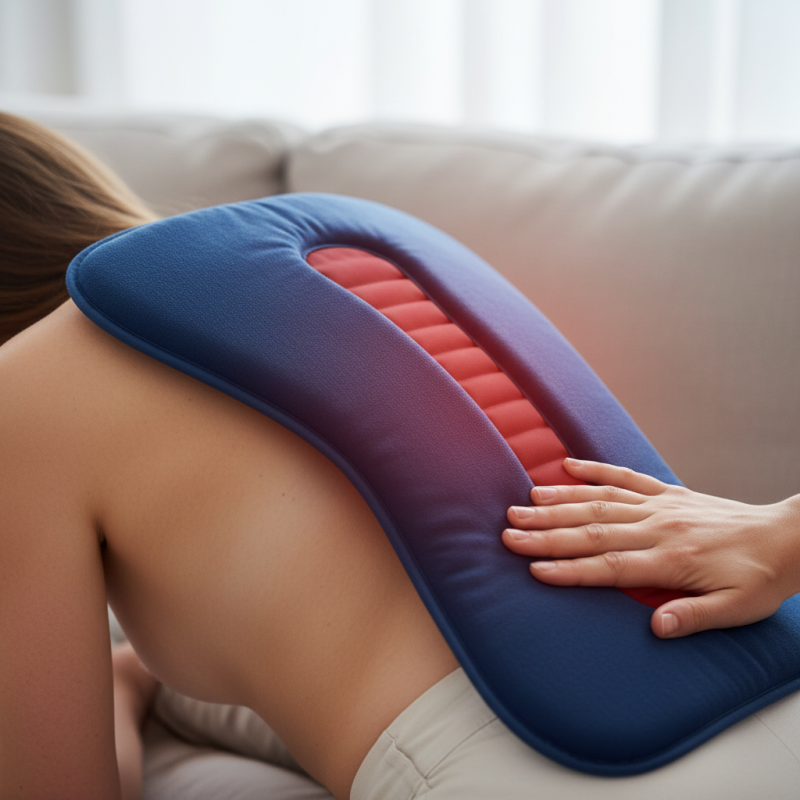
Back pain is a widespread issue that affects millions globally. According to the World Health Organization, nearly 80% of people will experience back pain at some point in their lives. This pain can stem from various causes such as muscle strain, poor posture, and even stress. Understanding these factors is crucial for effective treatment and prevention.
Muscle strain is a leading cause of back pain, often resulting from overexertion or improper lifting techniques. Poor posture during daily activities contributes significantly to chronic discomfort. Many individuals spend hours hunched over screens, which places undue stress on the back. The American Chiropractic Association emphasizes the importance of ergonomic furniture to help alleviate this strain. Stress also plays a role, triggering muscle tension and exacerbating pain.
Addressing these underlying issues involves not only heat therapy but also lifestyle adjustments. Regular exercise and stretching can help strengthen back muscles. However, it's important to recognize that what works for one person may not work for another. Individual responses to treatments can vary. Pain management should involve a combination of approaches tailored to each person's unique situation. This ensures a more effective pathway to relief.
: Muscle strain, poor posture, and stress are frequent causes of back pain.
Muscle strain typically results from overexertion or improper lifting techniques.
Yes, poor posture during daily activities can lead to chronic discomfort and increased back pain.
Heat therapy enhances blood flow and promotes healing, which helps relieve tension and stiffness.
Many people find heat pads effective as they provide warmth and can reduce pain intensity significantly.
Yes, options include electric pads, hot water bottles, and warm towels. Each has unique benefits.
No, individual responses vary. Some prefer cold therapy instead, depending on specific conditions.
Avoid burns or overheating. Monitor the temperature and duration to prevent discomfort.
Overuse can lead to skin burns or dehydration. It’s essential to use heat therapy wisely.
Yes, combining heat therapy with other treatments may yield better results for pain relief.
Heat pads have become a popular solution for alleviating back pain, offering various benefits through the application of heat. Understanding back pain is crucial, as it often stems from common causes such as muscle strain, poor posture, or injury. The use of heat in pain management plays a significant role, promoting blood flow and relaxing tense muscles, which ultimately aids in pain relief.
There are several types of heat pads available, including electric, microwavable, and chemical options, each with unique features to suit different needs. These heat pads work by enhancing circulation and reducing stiffness in the back, providing effective relaxation. However, it is essential to observe safety considerations and best practices when using heat pads for back pain to prevent burns or skin irritation. Overall, incorporating heat pads into a back pain relief strategy can significantly enhance comfort and mobility.

 Fuqin
Fuqin