Choosing a reliable Body Warmer supplier requires more than comparing catalog prices. Global buyers must examine product performance, factory capability, compliance records, and communication quality. This guide introduces ten suppliers serving international markets, from disposable heat-pad manufacturers to producers of reusable and rechargeable Body Warmer products.
Each supplier is considered through practical purchasing factors. These include heating duration, temperature control, skin-contact materials, packaging quality, minimum order quantities, and production capacity. Buyers should also review safety testing, traceability, export experience, and regional labeling requirements. A clear audit trail matters. So does responsive after-sales support.
Small details can reveal larger risks. For example, inconsistent pad activation may affect customer trust. Weak packaging can expose products to moisture during ocean transport. Unclear battery documentation may delay customs clearance for rechargeable models. Buyers should request samples before placing substantial orders. Test them in realistic conditions, including cold warehouses, outdoor work, and extended shipping periods.
No supplier fits every market. That is worth remembering. A low unit price may hide higher inspection or return costs. Some supplier information may also change over time, so independent verification remains necessary. The companies discussed here offer useful starting points, not automatic purchasing decisions. By comparing evidence instead of relying on polished claims, global buyers can build safer, steadier, and more transparent Body Warmer supply chains.
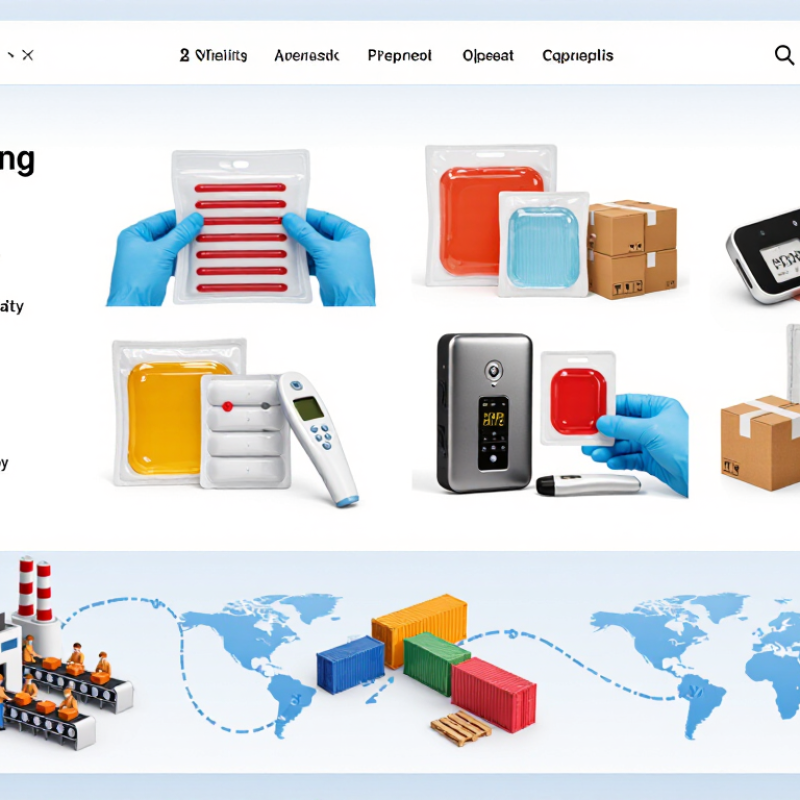
10 Best Body Warmer Suppliers for Global Buyers
A reliable body warmer supplier provides more than attractive product photos. Global buyers need clear specifications, stable quality, and practical evidence. Ask for fabric composition, heating zones, battery capacity, charging time, and washing instructions. These details should match the samples and final production units. Small differences can create large complaints.
Independent test reports matter. Check electrical safety documents, material test results, and certifications required in the destination market. A professional supplier explains testing dates, laboratory names, and product limitations without avoiding difficult questions. They should also provide traceable batch numbers and inspection records. Good communication helps, but documented control matters more.
Visit the factory when possible. Watch workers check wiring, stitching, heating panels, and packaging. A reliable team uses sample approval procedures and records defects instead of hiding them. Response speed is useful, yet rushed answers can signal weak planning. One practical concern is after-sales support. Ask how the supplier handles battery faults, missing parts, and uneven heating after delivery. The answer should include a process, not vague promises.
Even experienced buyers can overlook seasonal capacity. Body warmer orders often rise sharply before winter, causing delays in materials and testing. Confirm production capacity, lead times, replacement policies, and shipping documents early. A supplier may appear dependable during a small trial order but struggle with volume. That gap deserves attention.
Body warmers are no longer limited to disposable heat packs. Global buyers now source heated vests, jackets, belts, insoles, gloves, and seat pads. Each product serves a different use case. A vest needs balanced warmth across the chest and back. Insoles require thin construction and steady heat under pressure. During product checks, I examine warmth distribution, battery placement, washability, and control access. Small design details often decide comfort.
Common outer materials include polyester, nylon, softshell fabric, fleece, and insulated blends. Polyester dries quickly, while nylon usually offers stronger abrasion resistance. Fleece feels warmer but may need a wind-resistant outer layer. Inside, carbon-fiber heating elements provide flexible heat and low weight. Metal alloy wires can heat quickly, but repeated bending may expose weak points. Rechargeable lithium batteries are common, yet capacity claims should be tested in real temperatures. USB-powered models simplify replacement, although cables can reduce mobility. Safety features matter. Overheat protection, timed shutoff, and secure connectors need verification.
A reliable supplier should provide material samples, test records, sizing data, and clear care instructions. I also request performance results after washing, bending, and repeated charging. Some samples look impressive but feel bulky after an hour. That matters. Buyers should not judge heating speed alone. Noise, weight, battery life, and repair access deserve equal attention. Supplier comparisons become more useful when testing reflects the buyer’s climate and daily work.
International sourcing for body warmers requires more than a low factory quote. The ten strongest supplier options should show proven export experience, stable heating performance, and clear quality records. Grand View Research reported continued growth in the global hand warmer market, driven by outdoor recreation and winter travel. This growth attracts inexperienced factories. Buyers should request production photos, test reports, sample history, and customer references.
Material selection matters. Textile Exchange’s 2024 Materials Market Report stated that polyester represented about 59% of global fiber production in 2023. Therefore, buyers should check shell durability, insulation density, and recycled-content claims. Suppliers should also explain battery safety, wash-care limits, carton testing, and temperature controls. These details often separate a reliable manufacturer from a trading intermediary. Small details matter.
International logistics can change the real cost. The World Bank’s 2023 Logistics Performance Index assessed 139 economies across customs, infrastructure, shipment reliability, and delivery speed. A supplier near a low-cost port may still create delays through weak documentation. Request HS-code support, carton dimensions, lead times, and agreed Incoterms before ordering. Factory audits are useful, but they are not perfect. My earlier assumption that a successful sample proves stable mass production was too optimistic. A second pre-shipment inspection is usually worth the expense, especially when sourcing heated garments, reusable packs, or private-label outdoor accessories.
Choosing a body warmer supplier requires more than comparing the lowest quotation. Quality begins with materials, stitching, insulation, and heating performance. Request fabric specifications, filling weight, seam samples, and wash-test results. A reliable supplier should explain where materials come from and how defects are recorded.
Ask for a pre-production sample. Test its warmth, battery pocket, zipper strength, and size consistency. For heated styles, check temperature control, wiring protection, and safety documentation required in your target market. Factory photos are useful, but an independent inspection gives stronger evidence. Small details matter, such as loose threads or uneven padding.
Price comparisons need a complete cost sheet. Include sample fees, minimum order quantities, packaging, shipping, inspection, and possible rework. A cheap unit price can become expensive after delays. Production capacity also needs proof. Review monthly output, workforce size, equipment, and previous order records. Ask whether capacity is reserved during winter demand. I once focused too heavily on unit cost and underestimated inspection expenses. That mistake changed my evaluation method. Now, I compare landed cost and delivery reliability together. Even a capable factory may struggle with sudden volume increases. A realistic forecast and written production schedule help expose that risk.
Anonymous supplier benchmark: comparing quality consistency, FOB pricing, and monthly production capacity.
The chart uses anonymous supplier profiles rather than company or brand names. Quality represents the first-pass inspection rate, pricing reflects an indicative FOB cost per insulated body warmer, and capacity represents estimated monthly production. Price and capacity are converted into relative scores, where a higher score indicates a more favorable buyer position.
10 Best Body Warmer Suppliers for Global Buyers
Selecting among the 10 best body warmer suppliers requires more than comparing prices. Global buyers should examine factory experience, quality controls, and export records. Ask for recent test reports, product specifications, and batch inspection procedures. For disposable warmers, review ingredient declarations and safety data. For rechargeable models, check battery testing and charger compatibility. A professional supplier should explain limitations clearly, not promise universal compliance.
Certification depends on the destination market and product type. Confirm applicable electrical, chemical, packaging, and labeling requirements before placing a large order. Labels may need local languages, heating duration, warnings, disposal instructions, and importer details. Request samples from the intended production line. A warm sample does not prove stable performance. Test several units in different temperatures. Small differences matter.
Tips: Confirm the HS code with a qualified customs advisor. Agree on Incoterms, carton dimensions, pallet limits, and insurance in writing. Check whether the shipment needs special handling because of batteries or chemical materials. Build extra time for port inspections and document corrections. A missing label can delay an entire container. No supplier is perfect. Buyers should also review complaint records, response times, and replacement policies. Sometimes the cheapest quotation hides weak packaging or inconsistent heating time. A careful audit may feel slow, but it protects customers, margins, and delivery schedules.
The profiles below describe supplier types and sourcing regions, not named or individually verified companies. Capabilities, minimum order quantities, certifications, and shipping terms vary by factory and must be confirmed directly. “Body warmer” here refers to a wearable insulated vest; heated garments and disposable heat packs require additional checks.
| # | Supplier profile and sourcing region | Typical fit and capabilities | Compliance and documentation to verify | Import and logistics considerations | Buyer due diligence |
|---|---|---|---|---|---|
| 1 | Technical outerwear OEMs — China | Often suitable for insulated vests with multiple fabric, lining, quilting, and trim options; factory capabilities vary. | For EU sales, check REACH-restricted substances and applicable textile-fibre labelling. For US sales, verify FTC-required fibre, care, and country-of-origin labelling. | Compare sea, rail, and air options by destination, cost, and schedule. Agree the delivery term and named place under Incoterms® 2020. | Request material specifications, pre-production samples, test reports for the actual materials, and a written inspection standard. |
| 2 | Large-scale apparel manufacturers — Bangladesh | May suit volume orders of conventional cut-and-sew garments; confirm experience with insulated products, padding, and finishing. | Check destination-market labelling and chemical requirements. Social or environmental certifications are separate from product-safety compliance; verify scope and validity. | Confirm the export port, inland transport plan, booking responsibilities, and shipment documents before production is completed. | Assess production capacity, subcontracting controls, quality procedures, and how defects or late delivery are handled. |
| 3 | Export-oriented garment OEMs — Vietnam | Potential fit for sewn apparel programs requiring repeatable production and coordinated sourcing of fabrics and trims. | Confirm the exact fibre composition and labels for each SKU. Do not treat a factory management certificate as proof that a garment meets market regulations. | Check the available port-to-destination service and whether the quoted price includes export clearance, freight, insurance, and destination charges. | Validate sample quality against bulk-production tolerances and approve colour, insulation, stitching, and packaging specifications in writing. |
| 4 | Integrated textile and garment suppliers — India | Can be considered for woven or knitted shells and sewn vest programs; fabric sourcing and finishing capabilities differ by supplier. | For recycled-content claims, request traceability documents and verify any relevant chain-of-custody certification. Check destination-specific chemical and labelling rules. | Establish who handles export packing, customs documentation, and cargo insurance; compare consolidated and full-container options. | Ask for a bill of materials, fabric test results, production-site details, and confirmation that nominated materials will not be substituted without approval. |
| 5 | Textile and apparel producers — Pakistan | May be suitable for cotton-rich fabrics and sewn apparel; confirm availability of the synthetic shell and insulation needed for the design. | Verify fibre-content claims through appropriate testing and documentation. Check restricted-substance requirements for the destination market and product components. | Confirm current carrier schedules and routing with a freight forwarder; shipping time and capacity can change by season and route. | Review fabric shrinkage, colourfastness, seam strength, and insulation performance using agreed test methods and acceptance limits. |
| 6 | Near-market apparel manufacturers — Türkiye | May appeal to buyers serving Europe who value regional sourcing options; product range, capacity, and lead times are factory-specific. | For EU placement, assess REACH obligations and Regulation (EU) No 1007/2011 textile-fibre labelling requirements. Check origin rules separately for any preferential tariff claim. | Compare road, sea, and combined transport options. Confirm the customs procedure and delivery term rather than assuming a shipment qualifies for duty preference. | Request proof of production origin, current factory audit information if relevant, and a documented process for material and batch traceability. |
| 7 | Small-batch and premium apparel workshops — Portugal or Italy | Can be considered for development-focused or premium programs, subject to factory capacity, pricing, and specialist insulation experience. | EU-market products still need applicable chemical, textile-labelling, and general product-safety checks. A “Made in” claim must be supported by the relevant origin rules. | Regional sourcing may simplify some intra-European transport, but customs treatment depends on the goods’ origin and destination. | Confirm whether fabric and sewing are performed in-house or subcontracted, and define approval stages for samples and production lots. |
| 8 | Heated-garment specialists — confirm actual production location | Relevant only for electrically heated body warmers with heating elements, wiring, and rechargeable batteries. | Request applicable electrical and battery safety evidence for each target market. Lithium batteries transported by air or sea are subject to transport rules; request the UN 38.3 test summary where applicable. | Battery configuration, packing, carrier rules, and route can affect shipment acceptance and cost. Confirm requirements with the carrier or dangerous-goods forwarder before booking. | Verify battery capacity and supplier, protection against overheating, charging instructions, warranty terms, and test reports for the finished garment system. |
| 9 | Recycled-material apparel suppliers — multiple regions | Potential option for vests using recycled polyester shells, lining, or insulation; “recycled” content and product performance must be checked separately. | For a GRS claim, verify that the certificate and transaction documentation cover the relevant material and supply-chain stages. Certification does not replace market-safety checks. | Ask whether recycled inputs affect colour availability, minimum order quantities, or replenishment consistency; confirm these terms in the purchase contract. | Request composition and chain-of-custody evidence, plus test results for durability, colourfastness, and any performance claims used in marketing. |
| 10 | Private-label wholesalers and trading suppliers — global sourcing hubs | May offer ready-made styles or mixed product ranges and can be useful for smaller trial orders; the seller may not own the factory. | Identify the legal manufacturer and importer responsibilities. Obtain product-specific labels, test reports, and factory details rather than relying on generic certificates. | Clarify whether the quotation is EXW, FOB, CIF, or another Incoterms® 2020 rule, and identify who pays duties, taxes, and destination charges. | Confirm stock availability, reorder continuity, inspection access, warranty handling, and permission to audit or identify the manufacturing site. |
Important: Ordinary clothing is not automatically subject to CE marking in the EU. CE marking may apply when a body warmer is marketed as personal protective equipment or includes regulated electrical components; assess the product’s intended use and applicable legislation before placing it on the market. Certification names alone do not establish compliance for a specific shipment or SKU.
Request fabric composition, heating zones, battery capacity, charging time, and washing instructions. The documents should match the samples and final units. Small differences can create major complaints.
Test several samples for warmth distribution, battery placement, comfort, and heating consistency. Check the product after washing, bending, and repeated charging. One sample is not enough.
Common materials include polyester, nylon, softshell fabric, fleece, and insulated blends. Polyester dries quickly. Nylon usually resists abrasion better. Fleece feels warm but may need wind protection.
Carbon-fiber elements are flexible and lightweight. Metal alloy wires may heat quickly but can weaken after repeated bending. Check overheat protection, timed shutoff, and secure connectors. Heating speed is not everything.
Test capacity in realistic temperatures, not only in room conditions. Measure charging time, operating duration, battery weight, and connector security. Cable placement may reduce mobility.
Ask for batch numbers, inspection records, sample approvals, and defect reports. When possible, observe wiring checks, stitching inspections, heating-panel tests, and packaging procedures. Rushed answers deserve caution.
Requirements depend on the destination market and product type. Check electrical, chemical, packaging, and labeling rules with qualified local advisors. Labels may require warnings, heating duration, disposal details, local languages, and importer information.
Confirm production capacity, material availability, testing schedules, and lead times before winter demand rises. Agree on carton sizes, pallet limits, shipping terms, insurance, and document responsibilities. Leave time for inspections.
The supplier should explain procedures for battery faults, missing parts, uneven heating, and replacements. Review complaint records and response times. Promises alone are weak evidence.
Yes. Low prices may hide weak packaging, unstable heating times, or delayed documentation. A careful audit may feel slow, but it can protect margins and delivery schedules. No supplier is perfect.
This guide examines what global buyers should look for in a reliable Body Warmer supplier, including consistent product quality, transparent communication, flexible customization, stable production capacity, and dependable delivery performance. It introduces key product categories, insulation materials, rechargeable and disposable heating options, temperature control features, safety design, and comfort considerations to help buyers match products with different markets and usage scenarios.
The article also presents ten supplier types suitable for international sourcing without focusing on specific brands, then explains how to compare pricing, quality control, production lead times, minimum order quantities, and scalability. It further highlights important considerations for global imports, such as product testing, labeling, certification, packaging, customs documentation, shipping methods, and logistics planning. By evaluating suppliers across these areas, buyers can reduce sourcing risks, improve cost efficiency, and build a more dependable supply chain for seasonal and everyday warmth products.

Fuqin