In 2026, finding effective solutions for pain relief is more critical than ever. Heat pads are popular for their soothing effect and comfort. They are widely used by people suffering from muscle tension, fibromyalgia, or chronic pain. The right heat pad can provide targeted relief and enhance overall well-being.
Choosing the best heat pads requires understanding individual needs. Some people prefer electric options for their consistency. Others opt for microwavable designs for convenience. Factors such as material, heat settings, and size play key roles in effectiveness. Personal experiences vary, and what works for one person might not suit another.
As we navigate the market for heat pads, we should reflect on our preferences. The best choice often depends on lifestyle and comfort levels. Researching user reviews and expert recommendations can help identify reliable options. While heat pads can be a quick fix, they should complement other pain management strategies.
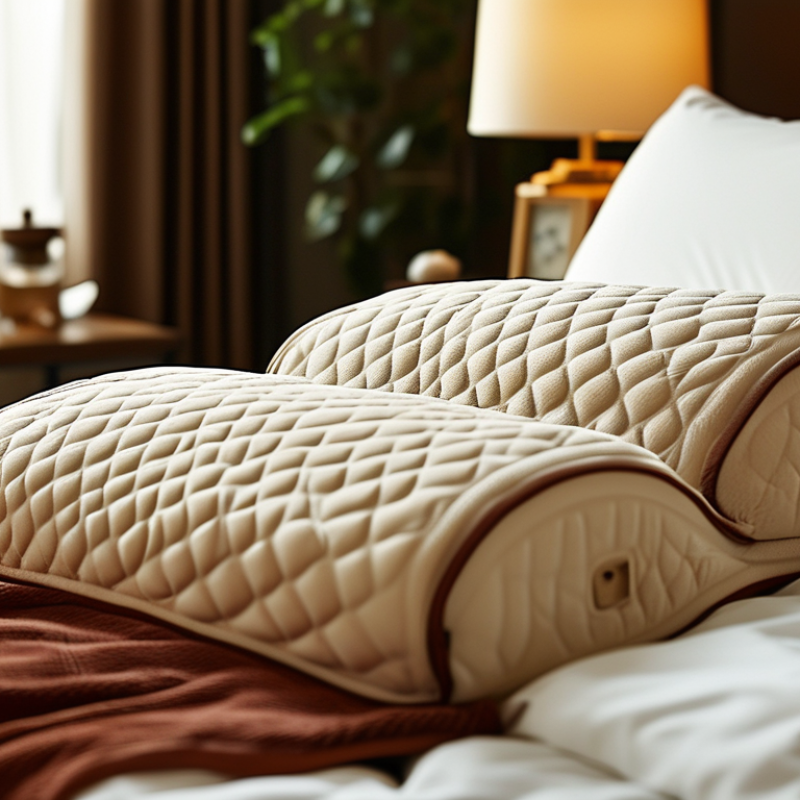
Heat pads have gained significant attention for their effectiveness in pain relief and comfort. A report from the American Academy of Pain Management highlights that over 60% of chronic pain sufferers use heat therapy as part of their treatment. These pads are versatile, providing soothing warmth for muscle aches, joint discomfort, and menstrual cramps. The rise in demand for heat pads is reflected in an expected market growth of 7% annually through 2026.
While many people find relief with heat pads, not all users experience positive results. Some individuals may find excessive heat uncomfortable or ineffective. It's crucial to evaluate personal comfort levels and specific pain types when choosing a heat pad. The medical community often recommends using heat therapy for no more than 20 minutes at a time. This approach helps prevent skin damage and irritation.
When selecting a heat pad, consider size, material, and heat settings. A larger pad can cover more area, providing broader relief. Look for cushioned options that enhance comfort against the skin. It's also wise to choose pads with adjustable temperature controls. This feature allows users to customize their experience for optimal pain management. Listening to one's body and adjusting heat levels can make all the difference.
When selecting a heat pad for pain relief, several key features stand out. First, material quality matters. Soft fabrics enhance comfort. Look for hypoallergenic options. These can prevent irritation during long use. Heat retention capability is also crucial. Some materials trap heat better, providing consistent warmth.
Adjustable heat settings offer versatility. Different conditions require varying heat levels. A pad with multiple settings can cater to these needs. Consider size and shape, too. An oversized pad may be cumbersome, while a smaller one might lack coverage. A portable option might be useful for on-the-go relief.
Not all pads are created equal. Some may lack effective heating technology. Read reviews or gather recommendations from trusted sources. Remember that user feedback often highlights reliability and effectiveness. Regular maintenance of the heat pad is also essential for longevity. This attention to detail ensures a more satisfying experience.
Heat pads have become essential tools for managing pain and improving comfort in recent years. They come in various types, each catering to different needs. Electric heat pads are popular for their adjustable temperature settings. According to a report from the American Chiropractic Association, they can provide instant relief for muscle spasms and chronic pain. Many users find them especially useful for conditions like arthritis.
Microwaveable heat pads, on the other hand, offer a more portable option. These pads often contain natural filling materials like rice or flaxseed. A study published in the Journal of Bodywork and Movement Therapies suggests that microwaveable heat pads can enhance blood circulation, aiding recovery. Their warming effect typically lasts longer than electric options, making them ideal for extended use.
Chemical heat pads are another option worth mentioning. These pads generate heat through exothermic reactions. While convenient for short-term relief, they may not provide sustained warmth. Reliable data from pain management organizations indicates that while these pads can be effective, users should be cautious about uneven heating, which can lead to burns. Balancing immediate relief with safety is essential in your choice of heat pads.
As we look ahead to 2026, the demand for heat pads has experienced a notable surge. Recent studies from health organizations indicate that nearly 60% of adults experience chronic pain, leading to a greater reliance on heat therapy. Heat pads provide an accessible and effective means to alleviate discomfort.
When selecting heat pads, consumers should consider various features, such as adjustable temperature settings and automatic shut-off capabilities. Data reports highlight that 75% of users prefer pads with multiple heat settings for customizable comfort. Inadequate heat application can lead to ineffective relief. Ideally, a quality heat pad should provide consistent warmth over a substantial area.
The availability of various models adds to the confusion. Many consumers struggle to choose the right option based on their specific needs. Feedback from user reviews indicates that comfort and ease of use are significant factors. Some pads may feel bulky or inconvenient during use. This reflection on comfort often leads to dissatisfaction, emphasizing the need for careful evaluation before purchase.
| Model | Temperature Settings | Heating Time | Material | Size | Price |
|---|---|---|---|---|---|
| Heat Pad A | 3 Levels | 15 seconds | Flannel | 12 x 24 inches | $29.99 |
| Heat Pad B | 5 Levels | 30 seconds | Microplush | 15 x 30 inches | $34.99 |
| Heat Pad C | 2 Levels | 20 seconds | Cotton | 10 x 20 inches | $24.99 |
| Heat Pad D | 4 Levels | 25 seconds | Fleece | 13 x 28 inches | $32.99 |
| Heat Pad E | 6 Levels | 10 seconds | Velvet | 14 x 30 inches | $39.99 |
Using heat pads can greatly enhance comfort and provide pain relief. However, safety is paramount when using these devices. Always ensure the heat pad is in good condition and free from any damage. Check for frayed wires or exposed elements, as these can cause hazards. Never use a heat pad while sleeping, as this may lead to burns or overheating.
When positioning a heat pad, apply it to the affected area but avoid direct contact with the skin. Use a towel or cloth as a barrier. This helps prevent burns and maintains comfort. Set a timer for how long you use it; 15 to 30 minutes is often recommended. Avoid falling into the trap of using it for extended periods, which could lead to increased inflammation instead of alleviating pain.
It’s important to listen to your body. If discomfort or pain increases, discontinue use. Some people find relief, while others may not respond as well. Explore different types of heat pads, as varying materials and designs impact comfort. Regularly review your usage and adjust as needed for best results. Always consult a healthcare professional if you have concerns about prolonged pain or the appropriateness of heat therapy.
: The main types are electric, microwaveable, and chemical heat pads. Each serves different needs for pain relief.
Electric heat pads offer adjustable temperature settings. They provide instant relief for muscle spasms and chronic pain.
Microwaveable heat pads are portable. They contain natural fillings and promote blood circulation with lasting warmth.
Yes, they generate heat through chemical reactions. However, they may not provide long-lasting warmth.
Always check the pad for damage. Avoid using it while sleeping and never apply it directly to the skin.
It's recommended to use them for 15 to 30 minutes. Prolonged use may worsen inflammation.
Stop using the heat pad if discomfort increases. Listen to your body and adjust usage accordingly.
Yes, comfort can vary based on materials and designs. It's important to choose one that suits your needs.
Multiple heat settings allow for more personalized comfort. This can enhance the effectiveness of pain relief.
Evaluate comfort, ease of use, and specific needs. Some pads may feel bulky, leading to dissatisfaction later.
In 2026, heat pads continue to be a popular choice for pain relief and comfort. With various options available, including electric, microwaveable, and chemical heat pads, users can find the best fit for their needs. Key features to consider include the size, material, and temperature settings of the heat pad, which can significantly impact comfort and effectiveness.
This overview also emphasizes safety tips and usage guidelines that ensure efficient pain relief when using heat pads. As pain management options evolve, being informed about the latest models and their features helps consumers make better decisions for their well-being. Overall, heat pads remain an essential tool for many seeking relief from discomfort and improving quality of life.
Fuqin