Heat pads have become a vital tool for pain relief and comfort. According to a report by the National Institutes of Health, around 50 million adults in the U.S. experience chronic pain. Heat therapy is among the recommended treatments for conditions like arthritis and muscle strain. It promotes blood flow and relaxes tight muscles.
Interestingly, many people misuse heat pads. They may not understand the appropriate temperature settings or duration of use. A study published in the Journal of Pain Research suggests that improper usage can lead to burns or skin damage. Experts recommend keeping the heat pad at a safe level and using it for no longer than 20 minutes.
Navigating the world of heat pads can be challenging. With various types available, from electric to microwaveable, finding the right fit is crucial. Factors like size and material impact both comfort and effectiveness. As more people seek non-pharmaceutical options, understanding how to use heat pads correctly becomes essential for safe pain relief.
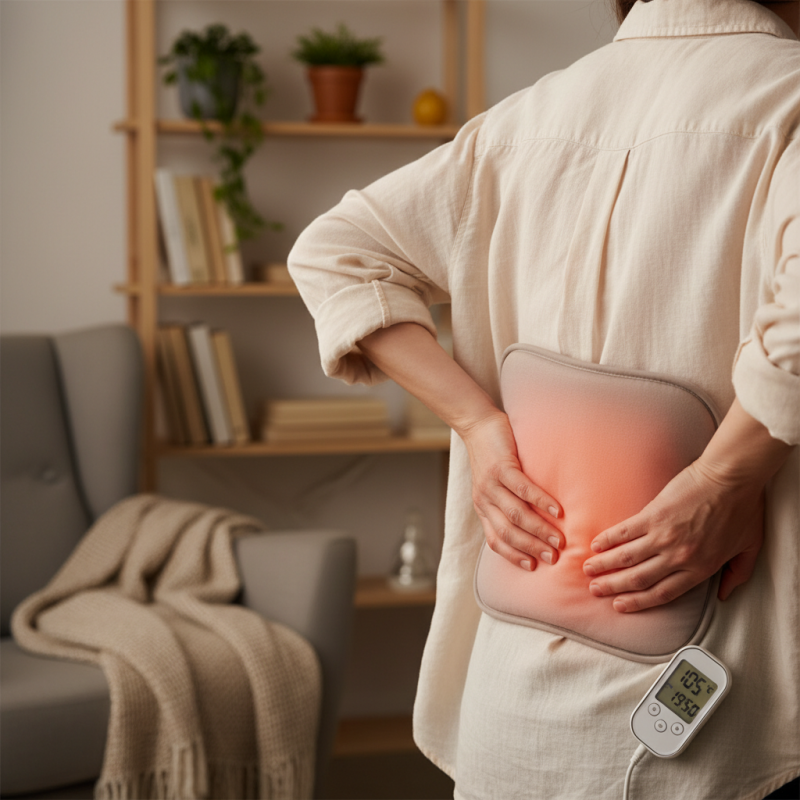
Heat pads offer a range of benefits for pain relief. They are commonly used to soothe sore muscles, ease joint pain, and alleviate cramps. According to a study published in the Journal of Pain Research, nearly 80% of individuals reported significant relief from using heat therapy. It’s important to understand the different types of heat pads available. Electric pads provide adjustable temperatures, while microwaveable pads can offer quick heat for targeted areas.
The effectiveness of heat therapy can vary based on the condition being treated. For instance, a report by the American Physical Therapy Association indicates that heat application is particularly beneficial for chronic pain conditions, such as arthritis. However, users should also be cautious. Overuse can lead to skin irritation or burns. Setting a timer might help prevent these issues.
Some people prefer moist heat pads. These are often more effective. Wet heat penetrates deeper into tissues than dry heat. Unfortunately, moist pads can be less convenient. They might also require more cleanup. Hot water bottles are a traditional choice but can be cumbersome and may leak. In contrast, electric pads offer constant heat but can restrict movement. Each type has its pros and cons, requiring users to find what works best for them.
| Type of Heat Pad | Benefits | Ideal for | Duration of Use |
|---|---|---|---|
| Electric Heat Pad | Provides consistent heat, adjustable temperature settings. | Muscle pain, menstrual cramps, joint stiffness. | 20-30 minutes per session. |
| Microwavable Heat Pad | Portable, can be used anywhere, retains heat well. | Back pain, shoulder tension, general aches. | Up to 30 minutes. |
| Herbal Heat Pad | Infused with herbs for aromatherapy benefits. | Stress relief, relaxation, muscle soreness. | 20-40 minutes. |
| Reusable Gel Pack | Versatile for both hot and cold therapy. | Swelling, bruising, sore muscles. | 15-20 minutes. |
: Heat therapy, or thermotherapy, is a method used for pain relief by increasing blood flow to affected areas.
It relaxes tense muscles and blocks pain signals in the nervous system, improving mobility.
The recommended temperature for heat pads is between 104°F and 113°F (40°C to 45°C).
Start with a lower temperature and gradually increase it. Monitor skin for signs of irritation.
Consider the size, temperature settings, fabric material, and safety features like auto shut-off.
No, reactions can vary. Some find it soothing, while others may feel no change at all.
Consistent use can offer long-term relief, but ensure to avoid overheating sensitive areas.
It is mainly effective for muscle and joint pain, but individual results may differ.
Regularly check the skin condition and listen to your body to prevent discomfort.
Overheating can cause irritation, and not all users may benefit equally from the treatment.
Heat pads are a valuable tool for pain relief, offering various types and benefits tailored to individual needs. Understanding how heat therapy works is crucial, as it promotes circulation and reduces muscle tension, supported by scientific evidence. When choosing the right heat pad, one must consider factors like size, material, and insulation for optimal comfort.
Additionally, adhering to recommended optimal temperature settings ensures safety and effectiveness during use. By following best practices for application, users can maximize the benefits of heat pads, enhancing their overall comfort and alleviating pain efficiently. Whether for chronic pain, muscle soreness, or injury recovery, heat pads can provide significant relief when used appropriately.

 Fuqin
Fuqin