Finding effective pain relief can be challenging. Many people seek quick solutions to manage discomfort. One popular option is the heating patch. These patches deliver heat to alleviate pain, making them a simple choice for many.
Heating patches come in various types. They may use different heat sources and designs. Users often appreciate their convenience. Applying a heating patch is straightforward. You can wear it under clothing while going about your day. This hands-free method allows you to remain active.
However, not all heating patches are the same. Some may provide quick relief, while others last longer. It's essential to consider individual needs. You might experience trial and error when selecting a patch. Choosing the right product can make a significant difference in your comfort. Ultimately, exploring various options will help tailor your pain relief strategy.
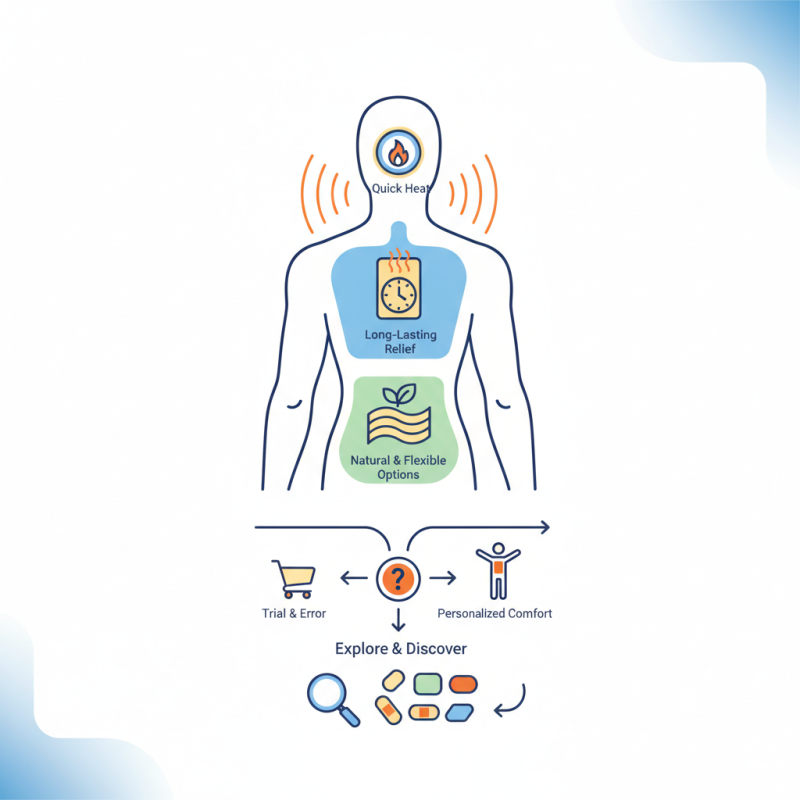
When selecting a heating patch for pain relief, understanding key features is vital. Comfort is crucial. Look for patches with soft, breathable materials that won't irritate the skin. An ideal patch should mold to the body’s contours. This ensures even heat distribution, targeting pain effectively. Many users appreciate patches that are flexible and lightweight. They can be worn discreetly under clothing.
Consider the heat settings a patch offers. Some people prefer adjustable temperatures for tailored relief, while others find consistent heat more effective. Check the duration of heat delivery. Certain patches last longer, providing extended relief without constant replacement. Additionally, think about the adhesive quality. A strong adhesive secures the patch in place, allowing for everyday movement without it shifting.
Lastly, safety should be a priority. Always opt for patches with built-in safety features like automatic shut-off mechanisms. These can prevent overheating. While many patches claim to offer instant relief, results can vary. Experimenting with different options may be necessary to find the best fit. Listening to your body’s responses is essential for effective pain management.
Heating patches provide comfort for those seeking pain relief. They come in various types: wired, wireless, and self-heating. Each type has unique advantages tailored to different needs.
Wired heating patches typically offer consistent heat. They connect to a power source, ensuring you never run out of warmth. However, the cords can be cumbersome, limiting mobility. So, they're best suited for at-home use while you rest.
Wireless patches offer more freedom. Without cords, you can move around easily. They are usually battery-operated, making them portable. Some may find battery life limiting.
Self-heating patches are another option, using chemical reactions to generate heat. While convenient, these may not provide long-lasting relief. Each type requires consideration of lifestyle and personal comfort preferences.
When exploring heating patch options in 2026, it's essential to consider effectiveness and user experience. According to a recent industry report, over 70% of users sought relief from chronic pain using these patches. Many rely on them as a non-invasive alternative to medication. Each patch provides varying heat levels, with most ranging from 104°F to 140°F, catering to individual comfort preferences.
A comparison of popular brands shows differences in duration and heat distribution. Some patches claim to deliver up to 12 hours of continuous warmth. However, not all maintain consistent heat throughout their usage. User feedback highlights that uneven heating affects efficacy. The majority values ease of use, favoring patches that adhere well and remain flexible during movement.
Recent studies indicate that nearly 60% of users experienced significant pain relief within the first hour of application. However, challenges persist, with some individuals reporting skin irritation. This calls for more research and transparent labeling of adhesive materials. Effective pain management requires a thoughtful approach to product selection, balancing comfort, and performance.
| Heating Patch Type | Temperature Range (°F) | Duration of Heat (Hours) | Size (inches) | Price ($) | Skin Sensitivity |
|---|---|---|---|---|---|
| Standard Patch | 104 - 120 | 8 | 4 x 6 | 15 | Low |
| Large Body Patch | 100 - 140 | 12 | 8 x 12 | 25 | Moderate |
| Air-Activated Patch | 95 - 130 | 6 | 3 x 5 | 10 | High |
| Wireless Rechargeable Patch | 110 - 150 | 10 | 5 x 7 | 40 | Low |
| Herbal Infused Patch | 98 - 135 | 8 | 4 x 6 | 20 | Medium |
Heating patches can be effective tools for managing pain. However, using them safely is crucial. One important consideration is temperature control. Many patches can heat up too much, leading to burns. Always start with lower settings. Monitor the skin closely to prevent adverse reactions.
Another key point is duration of use. Prolonged exposure can harm your skin. Limit application to 20-30 minutes. It’s wise to take breaks in between. Hydration is important, so drink water after using a heating patch. Stay aware of your body’s responses. If irritation or discomfort arises, stop using it immediately.
Consulting a health professional is recommended, especially for chronic pain conditions. Heating patches may not be suitable for everyone. Individuals with certain medical conditions should approach with caution. Reflect on how your body reacts post-use.
Regular evaluations can help ensure safe and effective pain relief.
Heating patches can provide effective pain relief for various conditions, including muscle soreness and joint stiffness. Users often report immediate warmth and comfort when applying these patches. The soothing heat can enhance blood flow, which may accelerate healing. Many users appreciate how convenient and discreet these options are, allowing them to go about their daily activities while managing pain.
User reviews highlight mixed experiences. Some find significant relief and describe a longer-lasting effect. Others express disappointment when the patches do not adhere well, or the heat dissipates quickly. Such challenges can lead to frustrations. People need to consider their specific needs and circumstances when selecting a heating patch. Effectiveness may vary from person to person, influenced by factors like body type and the severity of pain.
While heating patches are generally safe, users should be aware of potential skin reactions. Testing on a small skin area first could prevent unwanted surprises. Regular feedback from various users drives improvements in design and effectiveness. Thus, exploring multiple options may be wise. The journey to finding the right heating patch may involve some trial and error, and that’s part of understanding what works best for individual cases.
: There are wired, wireless, and self-heating patches. Each serves different needs and preferences.
Wired patches provide consistent heat and connect to a power source. However, cords can limit mobility.
Wireless patches offer more freedom of movement. They are usually battery-operated but may have limited battery life.
These patches generate heat through chemical reactions. They are convenient but may not offer long-lasting relief.
Most heating patches offer heat levels between 104°F and 140°F, catering to individual comfort.
Some patches claim to provide warmth for up to 12 hours, but heat may not always be consistent.
Users have noted skin irritation and uneven heating, which can impact overall effectiveness.
Consider ease of use, comfort, heat distribution, and any personal skin sensitivities when selecting a patch.
Nearly 60% of users report significant relief within the first hour. However, results vary per individual.
Effective pain management requires careful selection and awareness of personal comfort levels and patch performance.
Choosing the right heating patch for pain relief involves several key factors. When selecting a heating patch, consider top features such as the patch size, heating duration, and ease of use. There are various types available, including wired, wireless, and self-heating options, each catering to different user needs and preferences. As of 2026, a comparison of popular heating patch brands reveals distinct advantages and potential drawbacks, helping consumers make informed choices.
Safety is paramount when using heating patches; users should adhere to recommended guidelines to avoid burns or injuries. Additionally, user reviews highlight the effectiveness of these patches, with many reporting significant relief from chronic pain or muscle soreness. Overall, heating patches present a convenient solution for pain management, but understanding their features and usage is crucial for achieving optimal outcomes.
Fuqin