How to Choose a Warm Pad for Back Pain in 2026?

Time:2026-09-20 Author:Sophia
0%

Back pain is no longer a minor inconvenience for many adults. The World Health Organization reports that low back pain affected about 619 million people worldwide in 2020. That number may reach 843 million by 2050, according to the Global Burden of Disease analysis published in The Lancet in 2023. The scale is enormous. Choosing a Warm Pad For Back Pain therefore deserves more care than selecting the softest product online.

A suitable pad should provide steady, comfortable warmth without creating hot spots. Look for adjustable temperature settings, automatic shut-off, flexible coverage, and washable materials. The American College of Physicians recommends superficial heat as a non-drug option for some people with acute or subacute low back pain. However, heat is not a universal solution. It may soothe tight muscles, yet it will not correct every spinal, nerve, or inflammatory condition.

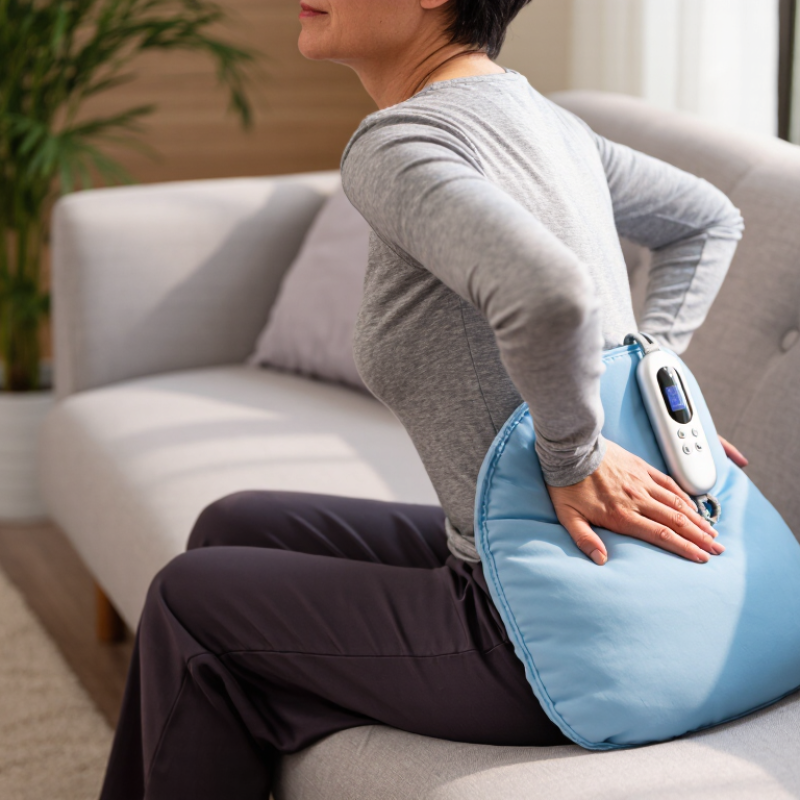
Safety details matter at close range. Imagine a pad pressed against your lower back during a long evening on the sofa. A high setting, weak sensation, or damaged cord can increase burn risk. The U.S. Consumer Product Safety Commission has repeatedly warned consumers about electrical heating products, including fire and burn hazards. Do not sleep with a heating pad unless the manufacturer explicitly permits it. Check the fabric, controller, plug, and return policy. Some claims sound convincing. They still need scrutiny. People with reduced heat sensitivity, diabetes, circulation problems, pregnancy-related concerns, or unexplained pain should seek professional medical advice before use. This guide compares comfort, controls, materials, safety features, and evidence, helping readers choose warmth more intelligently rather than simply choosing the hottest option.
How to Choose a Warm Pad for Back Pain in 2026?

Understanding How Warm Pads Help Relieve Back Pain

How to Choose a Warm Pad for Back Pain in 2026?

Warm pads can ease back pain by relaxing tense muscles and improving local blood flow. They may also reduce the guarded feeling that makes movement uncomfortable. However, warmth does not correct every cause of back pain. It often suits dull stiffness after desk work, driving, or light exercise. Sudden pain after an injury, numbness, leg weakness, or fever requires medical advice. In practical use, comfortable warmth works better than extreme heat. Stronger is not always better. Choose a pad with adjustable temperature, even heating, a washable cover, and an automatic timer. A flexible shape can rest across the lower back without pressing sharply against the spine.

Tips: Begin with 15–20 minutes on a low or medium setting. Place a thin cloth between the pad and your skin. Check for redness afterward. Never sleep with an active pad. People with diabetes, reduced sensation, poor circulation, or fragile skin should ask a healthcare professional before using one. Keep cords away from wet surfaces, and inspect the pad for damaged wires. These details seem minor, but rushed use can cause burns.

Warmth may make gentle walking or stretching feel easier, which can support recovery. Stop if pain spreads, becomes sharper, or feels unusual. If relief lasts only briefly, reassess the cause instead of increasing the temperature. I sometimes expect a warm pad to solve too much; that expectation needs correcting. Pain that persists or repeatedly returns deserves a proper clinical assessment.

Identifying the Right Heat Type, Size, and Temperature

Choosing a warm pad for back pain starts with the heat type. Dry electric pads provide steady warmth and adjustable settings. Moist heat may feel deeper, especially when muscles feel tight after sitting. However, damp fabric can cool quickly and require careful handling. Microwavable pads are portable, but their temperature may be uneven. Check the heating instructions every time.

Size matters more than many shoppers expect. A pad should cover the painful area without folding sharply. For lower-back discomfort, a wide lumbar shape can warm both sides of the spine. A smaller pad may suit one-sided muscle tension. Avoid placing pressure directly over prominent bones. It can create uncomfortable hot spots.

Use the lowest comfortable temperature first. A warm, not burning, sensation is the goal. Many clinical recommendations suggest sessions of about 15 to 20 minutes, with skin checks during use. Never sleep with an active pad.

People with reduced sensation, circulation problems, or diabetes should ask a healthcare professional before using heat. Stop if the skin becomes red, numb, or painful.

I have found that “hotter” often feels better briefly, but it is not necessarily more effective. The right choice can feel almost unremarkable.

Comparing Electric, Microwavable, and Chemical Warm Pads

How to Choose a Warm Pad for Back Pain in 2026?

Choosing a warm pad starts with how, where, and when your back hurts. Electric pads offer adjustable heat and steady warmth during desk work or evening rest. Look for flexible controls, a timer, and automatic shutoff. Never use one while sleeping. Check your skin often, especially if sensation is reduced.

Microwavable pads feel softer and more portable. They often contain grain, clay beads, or gel. Heat them exactly as directed, because overheated filling can burn skin or damage fabric. Test the temperature on your wrist first. Their warmth fades unevenly, which can be annoying during longer sessions. Still, they suit short relief after lifting or gardening.

Chemical warm pads are convenient under clothing. Air activates them, and many remain warm for several hours. Place one over a clothing layer, not directly on bare skin. Sweat, tight clothing, and prolonged use may increase irritation. I sometimes underestimate how quickly heat becomes uncomfortable. A ten-minute check is sensible. Warmth may relax tight muscles, but it does not explain persistent pain. Seek medical advice for weakness, numbness, fever, injury, or pain spreading down the leg. A pharmacist or clinician can also help you choose safely if you have diabetes, poor circulation, or sensitive skin.

Checking Safety Features, Materials, and Ease of Use

How to Choose a Warm Pad for Back Pain in 2026?

A warm pad should feel comforting, not dangerously hot. Look for adjustable temperature settings and a reliable automatic shutoff. A timer is especially useful during evening use. Overheat protection adds another layer of safety. Check that the controller feels solid and remains easy to operate with one hand. Do not use a damaged cord, loose plug, or folded heating pad. Stop using it if the surface becomes unusually hot.

Materials affect both comfort and durability. A soft, breathable cover can prevent sweaty skin during longer sessions. Washable fabric is practical after repeated use. The heating elements should bend gently without creating sharp pressure points. I prefer a pad that rests flat against the lower back, rather than one that bunches under clothing. Avoid strong chemical smells, rough seams, and stiff edges. Small details matter.

Ease of use often determines whether the pad becomes part of a safe routine. Choose a size that covers the sore area without restricting movement. A long cord helps near a chair or bedside table, but it should not create a tripping hazard. Read the care instructions carefully. I once ignored a confusing temperature dial and used more heat than necessary. That was a useful warning, though not a perfect test. People with reduced skin sensation, circulation problems, or medical conditions should ask a healthcare professional before using heat. Pain that persists, spreads, or includes weakness needs medical attention.

Choosing a Warm Pad for Your Pain, Lifestyle, and Budget

How to Choose a Warm Pad for Back Pain in 2026?

Choosing a warm pad should begin with your pain pattern, daily routine, and spending limit. A flexible pad can suit tight lower-back muscles after desk work. A wider wrap may stay in place while you cook or walk. Heat should soothe. It should not feel painfully hot. Look for adjustable temperature settings, even warmth, and an automatic shutoff. These features reduce burn risks and make regular use easier.

Your lifestyle matters more than flashy functions. Choose a lightweight, cordless design if you travel often. For home use, a washable cover and a long power cord may matter more. A timer helps if you become distracted during treatment. Compare the full cost, including replacement covers and electricity. The cheapest option may have uneven heating or fail quickly. I used to treat low price as the main advantage, but that choice can become expensive.

Safety deserves careful attention. Use a warm pad for short sessions, usually about 15 to 20 minutes, unless a health professional advises differently. Do not sleep with it or place it directly on bare skin. People with reduced sensation, diabetes, circulation problems, or pregnancy should ask a clinician before using heat. Stop if redness, blistering, dizziness, or worsening pain appears. Heat can ease symptoms, but it does not diagnose the cause. Seek medical care for back pain with new weakness, numbness, fever, or bladder and bowel changes.

FAQS

How can a warm pad help relieve back pain?

Gentle warmth can relax tense muscles and improve local blood flow. It may make movement feel less guarded. It cannot correct every cause of back pain.

When is warmth most suitable for back discomfort?

It often suits dull stiffness after desk work, driving, or light exercise. A warm sensation is enough. Stronger heat is not always better.

What temperature should I use first?

Begin with the lowest comfortable setting. Try low or medium heat for 15–20 minutes. Warm, not burning, is the goal.

How should I protect my skin during use?

Place a thin cloth between the pad and your skin. Check for redness afterward. Stop immediately if your skin becomes numb, painful, or unusually red.

What size and shape work well for lower-back pain?

Choose a flexible pad that covers the painful area without sharp folds. A wide lumbar shape can warm both sides of the spine. Avoid direct pressure over prominent bones.

Which heat type should I choose?

Dry electric pads offer steady warmth and adjustable settings. Moist heat may feel deeper, but damp fabric can cool quickly. Microwavable pads are portable, though heating may be uneven.

Who should ask a healthcare professional before using warmth?

People with diabetes, reduced sensation, poor circulation, or fragile skin should ask first. They may not notice excessive heat quickly. That risk deserves attention.

When should I stop using a warm pad and seek medical advice?

Stop if pain spreads, becomes sharper, or feels unusual. Sudden injury pain, numbness, leg weakness, or fever needs medical advice. Persistent or returning pain needs proper assessment.

What safety habits matter during everyday use?

Never sleep with an active pad. Keep cords away from wet surfaces. Inspect wires for damage. I sometimes expect warmth to solve too much; that expectation needs correcting.

Conclusion

Choosing the right Warm Pad For Back Pain starts with understanding how gentle heat may relax tight muscles, improve comfort, and support flexibility during everyday activities. Consider whether you prefer steady warmth or adjustable temperature control, and select a size that covers the painful area without limiting movement. A pad should feel comfortably warm rather than excessively hot, especially during extended use.

Electric pads offer consistent heat and useful controls, while microwavable pads provide portability without requiring an outlet. Chemical warmers can be convenient for short-term use, but their temperature and duration may be less adjustable. Before buying, check for automatic shutoff, secure fasteners, washable or skin-friendly materials, and clear usage instructions. The best option depends on your pain pattern, daily routine, travel needs, and budget. Use heat carefully, avoid sleeping with an active pad unless it is specifically designed for that purpose, and seek medical advice if pain is severe, persistent, or accompanied by unusual symptoms.

Sophia

Sophia

Sophia is a dedicated marketing professional with an exceptional depth of knowledge about her company's products and services. With a keen understanding of market trends and customer needs, she crafts insightful blog posts that not only inform but also engage readers, enriching the company’s online......