Heat patches have become a popular option for managing pain effectively. A report by the American Chronic Pain Association indicates that over 50 million adults in the U.S. suffer from chronic pain. For many, heat patches offer a non-invasive solution. According to Dr. Emily Carter, a leading expert in pain management, “The right heat patch can enhance comfort and improve mobility.”
Choosing the best heat patches requires careful consideration. Factors such as temperature control and skin compatibility play vital roles. High-quality patches should provide consistent heat without causing burns. Many users seek quick relief but often overlook essential features that ensure safety and effectiveness.
It's essential to recognize that not all heat patches are created equal. Some might not adhere properly or lose effectiveness quickly. Users should be aware of their unique needs and preferences. Relying on expert opinions and reviews can lead to better choices in this saturated market. Properly selecting heat patches can significantly impact one's day-to-day life, enhancing overall well-being.
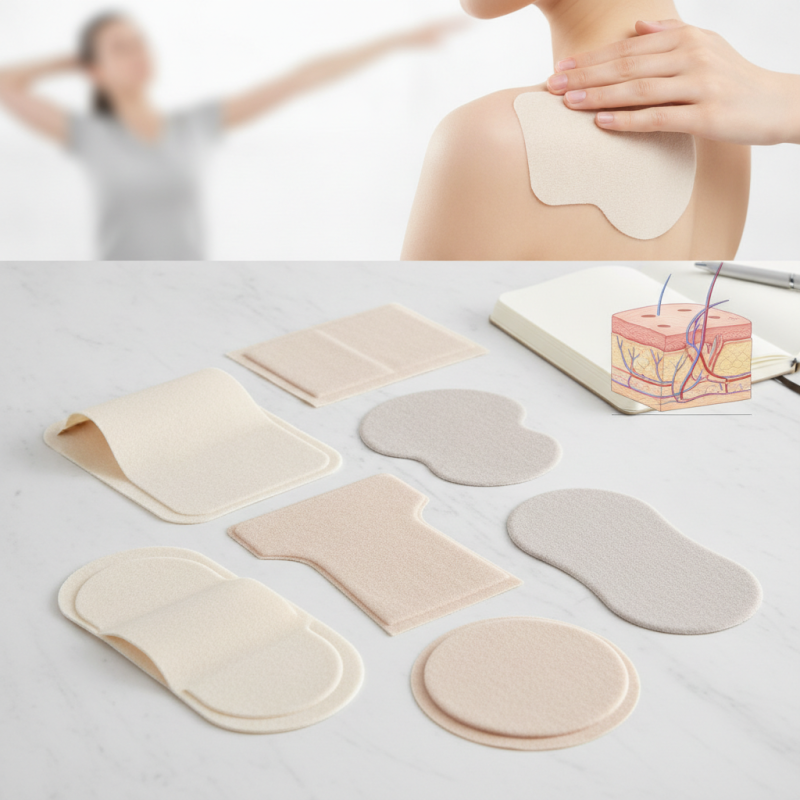
Heat patches are a versatile tool for pain relief. They work by applying heat to the affected area. This heat promotes blood flow, which can reduce stiffness and alleviate pain. Understanding the types of heat patches available helps you choose the right one for your needs.
There are multiple types of heat patches. Some use chemical reactions to generate heat, while others utilize electric currents. Chemical patches typically reach their peak temperature quickly. However, they may have a shorter duration of effect. Electric patches often allow for adjustable heat settings. This can provide a customized pain relief experience.
When selecting a heat patch, consider the specific pain location and type. Some patches are designed for larger areas, while others target small muscle groups. The choice might depend on your comfort level and the intensity of pain. It's essential to assess your options based on these factors. The right patch can enhance your recovery journey, while the wrong one could lead to frustration. Always keep in mind the varying needs of your body and adjust your choices accordingly.
| Type of Heat Patch | Duration of Heat | Temperature Range (°C) | Common Uses | Mechanism of Pain Relief |
|---|---|---|---|---|
| Adhesive Heat Patches | 8-12 hours | 40-60 | Muscle pain, back pain | Increases blood flow, relaxes muscles |
| Microwaveable Heat Packs | 20-30 minutes | 50-70 | Joint pain, stiffness | Provides localized heat, reduces stiffness |
| Disposable Heat Packs | 1-8 hours | 38-65 | Sports injuries, cramps | Chemical reaction generates heat for immediate relief |
| Electric Heat Pads | Variable (adjustable) | 30-70 | Chronic pain, arthritis | Provides continuous heat at adjustable settings |
: Heat patches are used for pain relief by applying heat to affected areas, increasing blood flow and reducing stiffness.
Heat patches come in chemical and electric varieties. Chemical patches heat quickly, while electric ones allow adjustable temperatures.
Choose a patch based on pain location and type. Larger patches cover broader areas, while smaller ones target specific muscles.
Apply heat for 15-30 minutes. Too long can be harmful, while short sessions may not provide sufficient relief.
Heat therapy isn’t universal. Individual responses can vary, so monitor how your body reacts over time.
Check for natural ingredients to avoid skin irritation. Some compounds, like menthol, may cause discomfort for some users.
Yes, breathable materials enhance comfort and effectiveness. Synthetic fabrics may cause irritation and ineffective heat distribution.
Document your experiences and evaluate your discomfort levels. Adjust your approach based on what feels right for you.
Risks include burns from too hot temperatures or skin irritation from certain materials. Always start with caution.
Study labels carefully, choose reputable patches, and test on a small skin area before full application.
Heat patches are an increasingly popular method for pain relief, leveraging various types and mechanisms to alleviate discomfort. Understanding the different types of heat patches and how they work is essential for evaluating their effectiveness. Clinical studies have provided insights into the efficacy of heat therapy, highlighting its benefits in treating specific pain conditions.
When choosing heat patches, it is important to assess the safety and efficacy of the ingredients and materials used. A comparative analysis with other pain relief methods can provide a broader perspective on their effectiveness. Ultimately, selecting the right heat patches should be guided by the specific type of pain being addressed, ensuring optimal relief and comfort.

 Fuqin
Fuqin