Selecting the right Foot Warmer for Feet can make a significant difference in your comfort during cold months. Expert Sarah Thompson, a leading specialist in thermal comfort, emphasizes, “Choosing the right foot warmer can enhance both warmth and relaxation.” Her insights remind us that not all foot warmers are created equal.
Foot warmers come in various types, from electric models to microwaveable options. Consider how much heat you need and the setting you'll use it in. Electric foot warmers often provide adjustable settings, while microwavable ones offer portability. Each type has its benefits and limitations. It's worth exploring multiple options before making a decision.
Additionally, assessing safety features is crucial. Look for products with overheating protection or automatic shut-off functions. These specifications ensure that your Foot Warmer for Feet is both effective and safe. Gather experiences from others and reflect on which features matter most to you. Making an informed choice leads to the best experience as you prioritize warmth and comfort.
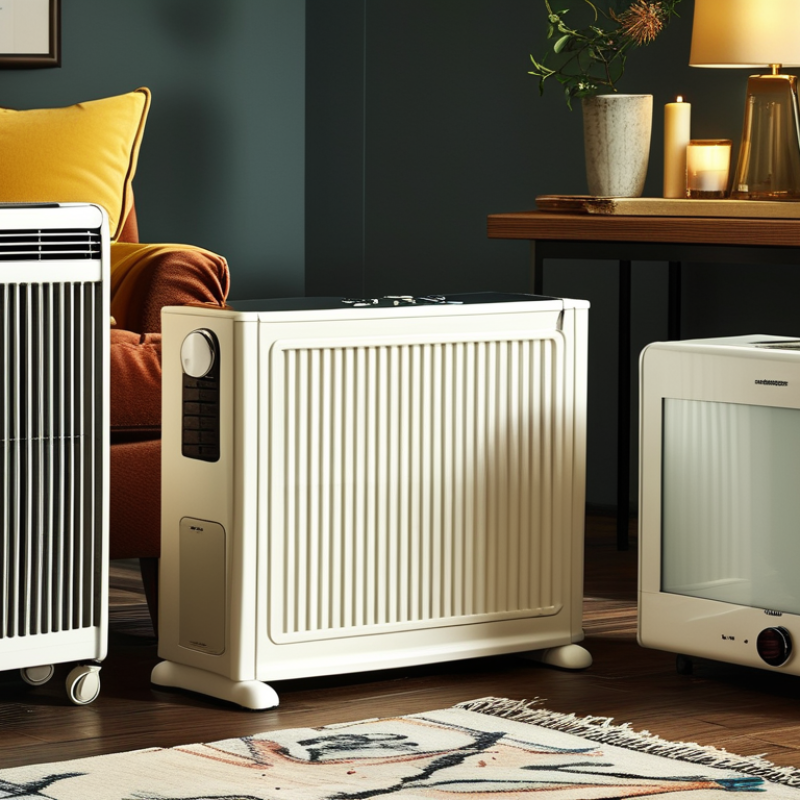
Choosing the best foot warmer requires careful consideration of various factors. One of the most important elements is the heat settings. Models with multiple levels allow you to adjust temperature according to personal comfort. Too much heat can lead to discomfort, while too little could leave your feet chilly.
Another aspect to consider is the size and fit. A good foot warmer should envelop your feet properly without feeling tight. Look for adjustable options that accommodate different foot sizes. Additionally, the material matters. Soft, breathable fabrics enhance comfort and prevent sweating. It’s essential to find a balance between warmth and ventilation.
Power source is another key factor. Some foot warmers are electric, while others use microwaveable inserts. Electric models often heat quickly but may limit mobility. Meanwhile, microwaveable options can be more portable. Reflect on your lifestyle to determine which suits you best. Each choice has its pros and cons, so exploring user reviews can provide invaluable insights.
When selecting a foot warmer, understanding the types available is essential. Electric foot warmers offer consistent heat. They come in various designs, such as heated blankets or slippers. These can be plugged in, providing instant warmth. In contrast, disposable foot warmers use chemical reactions to generate heat. They are perfect for outdoor activities, providing portable warmth without the need for power sources.
Another option is microwaveable foot warmers. These are often filled with grains or gel. Users heat them in the microwave and enjoy warmth for a few hours. Each type has its benefits and drawbacks. Electric warmers may not be portable, while disposable options can generate waste.
Tips: Always check safety features for electric foot warmers. Look for automatic shut-off functions to prevent overheating. Consider your lifestyle when choosing. If you travel frequently, a microwaveable option may be more convenient. Remember, finding the right foot warmer may take some experimentation. Don't settle for the first one you try; your comfort is worth the effort.
| Type of Foot Warmer | Features | Pros | Cons |
|---|---|---|---|
| Electric Foot Warmer | Adjustable heat settings, quick warming | Fast heating, customizable warmth | Requires electricity, may overheat |
| Microwavable Foot Warmer | Filled with natural grains, ready within minutes | Portable, no electricity needed | Heating duration may vary, occasional odor |
| Heating Pads | Flexible, multiple sizes, adjustable heat | Good for circulation, versatile use | Can be bulky, needs electricity |
| Foot Warmer Booties | Insulated design, often battery-operated | Cozy, movable, good for lounging | Battery life may be limited, heavier |
| Thermal Socks | Insulated materials for warmth | Lightweight, easy to wear | Limited heating, not effective in extreme cold |
When selecting a foot warmer, understanding the heating technology is crucial. There are various types available, including infrared, carbon fiber, and electric coil heaters. Each technology comes with its pros and cons. Infrared heaters are known for their ability to provide fast, even heat, penetrating deep into tissues. According to a report by the Consumer Product Safety Commission, improper usage of electric heaters leads to significant hazards. Always prioritize safety in your choice.
Electric coil heaters tend to heat quickly but can create hot spots, leading to discomfort. A 2022 study by the American Journal of Physical Medicine showed that uneven heat distribution could cause skin issues in sensitive individuals. Always check user reviews for insights on heat levels and distribution.
**Tips:** Aim to choose foot warmers with adjustable settings. This allows you to customize the heat level to avoid overheating. Consider options with automatic shut-off features for added safety. If you find your feet still feel cold, layers such as socks might enhance warmth.
When choosing a foot warmer, safety features take priority. Many models on the market lack proper temperature control, leading to potential burns or overheating. According to a recent report by the National Fire Protection Association, over 500 injuries annually are associated with heating devices. It's essential to select a product with adjustable heat settings. This allows users to tailor warmth to their needs while minimizing risks.
Look for foot warmers that include automatic shut-off features. Some devices shut down after a certain period of use. This can prevent accidents, especially if the user falls asleep. Additionally, materials should have fire-resistant properties. A study from Consumer Reports highlighted that non-flammable fabrics significantly reduce fire risks.
Insulation is another key factor. A unit that retains heat efficiently can reduce the amount of energy consumed. Experts suggest that foot warmers with energy-efficient certifications can lower electricity use by around 30%. This not only saves on bills but also supports a more sustainable lifestyle. Always research thoroughly and consider safety ratings provided by consumer protection agencies.
Choosing the right foot warmer involves understanding user preferences, particularly regarding size, design, and portability. Research shows that nearly 70% of users prioritize comfort and fit. A foot warmer that is too large may not provide the desired heat. Conversely, a model that is too small can feel constricting or ineffective. Finding the right balance in size can greatly enhance the user experience.
Design elements also play a crucial role. Users often seek styles that blend with home décor while still being functional. Aesthetic choices can affect the perceived warmth a product provides. In a recent survey, 55% of respondents stated they would choose a heated foot blanket over a clunky electric warmer due to its cozy, approachable look. Portability is another key consideration. The best foot warmers are lightweight and easily transportable. One third of foot warmer users reported needing a product that fits well in their backpacks or luggage. It highlights the importance of compact design for on-the-go warmth.
Inadequate features can lead to user disappointment. For instance, heating elements that are difficult to adjust can frustrate users. Ease of use and maintenance should not be overlooked. Paying attention to these preferences can significantly impact user satisfaction and product effectiveness.
: Look for heat settings, size, fit, and material. Adjustable temperature is important for comfort.
Yes, power sources affect mobility. Electric warmers heat quickly but limit movement, while microwaveable ones are portable.
Common technologies include infrared, carbon fiber, and electric coils. Each has its strengths and weaknesses.
Prioritize safety by checking for automatic shut-off features and reading user reviews about their usage.
Soft and breathable fabrics enhance comfort and prevent sweating. Balance warmth and ventilation is key.
Check user reviews and look for adjustable settings to prevent hot spots and discomfort.
Yes, layers like socks can help retain warmth if the foot warmer is not sufficiently warm.
Improper usage can lead to hazards. Always learn about safe practices before using electric models.
When selecting the best foot warmer for feet, several key factors must be considered to ensure comfort and safety. Understanding the various types of foot warmers available, from electric models to chemical heat packs, helps identify which suits your lifestyle best. Assessing the heating technology is crucial, as it determines the efficiency and heat distribution of the product. Additionally, safety features such as automatic shut-off mechanisms should not be overlooked to prevent any accidents.
User preferences also play a significant role in choosing the right foot warmer for feet. Factors like size, design, and portability can greatly influence overall satisfaction. A well-chosen foot warmer not only provides soothing warmth but also enhances relaxation during colder months, making it a valuable addition to your home comfort arsenal.

Fuqin