How to Choose the Best Heated Pads for Periods in 2026?

Time:2026-09-15 Author:Sophia
0%

Choosing the right Heated Pads For Periods can make difficult days more manageable. The best option should offer steady warmth, comfortable coverage, and simple controls. It should also fit your routine, whether you are working at a desk, resting on the sofa, or travelling.

In 2026, shoppers can compare flexible electric pads, rechargeable designs, and wearable heat wraps. Each type has practical strengths and limitations. A soft pad may feel pleasant against the abdomen, while a compact wrap can stay in place during movement. Temperature settings, automatic shutoff, washable covers, battery life, and cord length deserve careful attention. Small details matter. A controller that is hard to reach can quickly become frustrating.

This guide uses safety-conscious, evidence-informed considerations to explain how to compare these products. Heat may ease menstrual cramps for some people, but it is not a universal solution. Not every body responds alike. People with reduced heat sensitivity, certain medical conditions, or concerns about unexplained pain should seek professional medical advice before use. Following the manufacturer’s instructions also matters, especially regarding maximum temperature and contact time.

Real comfort is more than warmth. It includes pressure, fabric feel, portability, and confidence during use. Some products promise deep relief but provide uneven heating in practice. That is worth questioning. We will examine useful features, common compromises, and realistic buying priorities, so you can choose a heated pad that matches your symptoms, habits, and budget. Expect practical guidance, not exaggerated promises. Your comfort comes first.
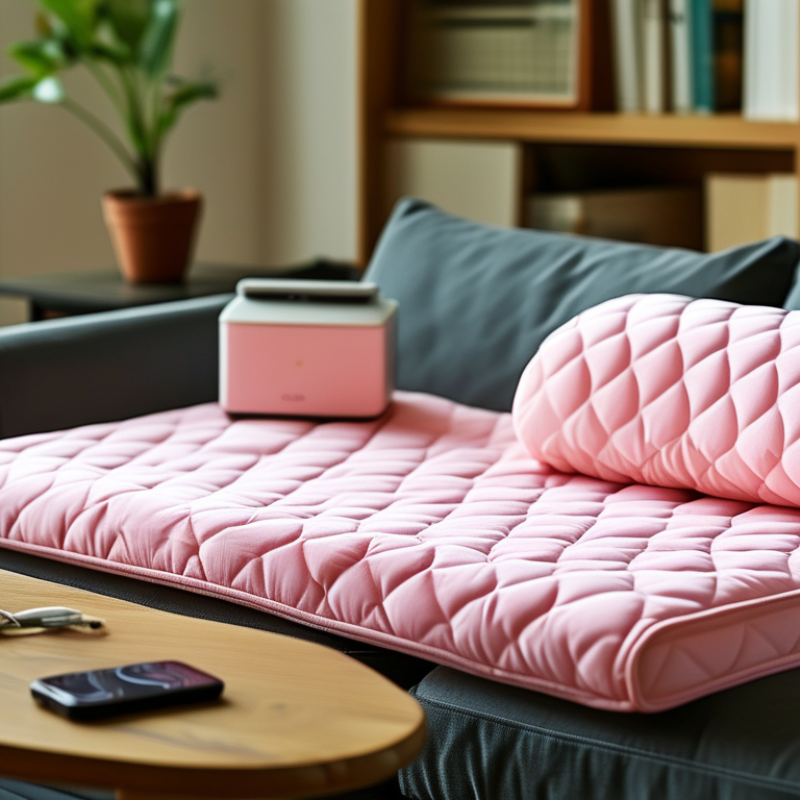
How to Choose the Best Heated Pads for Periods in 2026?

What to Consider When Choosing a Heated Pad for Period Pain

How to Choose the Best Heated Pads for Periods in 2026?

Choosing a heated pad for period pain starts with safety, not maximum heat. The American College of Obstetricians and Gynecologists reports that more than half of menstruating women experience period pain. A smaller group has severe symptoms. Heat may help relax abdominal muscles and improve comfort. However, a Cochrane review found that evidence for heat therapy remains limited and low-certainty. Useful, but not perfect.

Look for adjustable temperature settings, because skin sensitivity varies during long sessions. A low setting should feel warm, never sharp or burning. Automatic shut-off matters, especially if you fall asleep. Choose a flexible pad that covers the lower abdomen without pressing tightly. A washable cover is practical after sweat or accidental spills. Check the cable length, battery performance, and charging safety before buying. Small details matter.

I would also inspect the heating area carefully. Uneven warmth can create uncomfortable hot spots. Avoid using a pad directly on bare skin for extended periods. Follow the care instructions, and stop using it if redness, numbness, or irritation appears. People with reduced heat sensation should ask a healthcare professional before use. Pain that suddenly worsens, disrupts daily life, or appears with unusual bleeding deserves medical attention. A warmer pad is not automatically a better pad. Comfort, control, and safe contact are more reliable measures.

Which Heated Pad Types Suit Different Menstrual Needs

How to Choose the Best Heated Pads for Periods in 2026?

The best heated pad depends on your menstrual needs, not its appearance. Around 1.8 billion people menstruate worldwide, according to the World Health Organization. That range includes mild cramps, endometriosis-related pain, and long workdays.

A compact electric pad suits home use near a socket. It usually offers steadier heat and adjustable settings.

A rechargeable pad works better during commuting or travel. A disposable heat patch is thinner and easier under loose clothing. It cannot be reused, though.

For lower-abdominal cramps, choose a flexible pad with broad, even contact. For back pain, a longer wrap may cover the lumbar area more comfortably. People with sensitive skin should seek soft, breathable covers and low-temperature controls.

Clinical research has found heat therapy can reduce primary dysmenorrhea pain, although study designs and results vary. A 2023 review in the Journal of Clinical Medicine reported meaningful pain relief from heat-based approaches. Evidence is encouraging, not perfect. ACOG advises medical evaluation when pain disrupts normal activities or suddenly becomes severe.

Tips: Start with the lowest comfortable setting. Place a thin layer between skin and heat. Limit continuous use according to the instructions. Check the skin after ten minutes. Do not sleep with an active pad. If numbness, blistering, unusual bleeding, or worsening pain appears, stop using it and seek medical advice. Safety matters more than maximum heat.

How to Compare Heat Settings, Coverage, and Comfort

How to Choose the Best Heated Pads for Periods in 2026?

Heat settings matter more than impressive maximum temperature. A useful pad should offer gentle, medium, and stronger warmth. Start low, then adjust after several minutes. ACOG patient guidance recognizes local heat as a practical option for menstrual cramps. Cochrane’s evidence review also found possible pain relief, although the supporting studies remain limited. That uncertainty matters. Marketing claims can sound more confident than clinical evidence.

Coverage should match your cramps, not simply the largest available surface. A pad covering the lower abdomen may suit front cramps. A longer design can reach the lower back. Check whether it bends comfortably when sitting. I once preferred a wide pad, but it shifted constantly under clothing. Comfort won. Look for soft, washable fabric, flexible wiring, and a controller that stays outside the blanket.

Compare heat consistency, not only the number of settings. Some pads create hot spots, which can irritate skin. Choose one with even warmth, a clear timer, and automatic shutoff. The U.S. Consumer Product Safety Commission repeatedly warns that heating devices can cause burns when misused. Avoid sleeping with active heat unless the instructions clearly permit it. Test the surface on your forearm first. Small detail, big difference. A 2024 review in women’s health research also emphasizes individual responses to non-drug comfort measures, so record what actually helps across two cycles. Mine was not the strongest setting. It was the steadier one.

How to Check Safety Features and Ease of Maintenance

How to Choose the Best Heated Pads for Periods in 2026?

Safety should lead every buying decision, not maximum heat. Choose a pad with automatic shutoff, overheat protection, and a clearly marked controller. Look for recognized electrical-safety certification in your market. A short, undamaged power cord matters too. NFPA’s 2023 Home Structure Fires report found that heating equipment caused about 44,210 home fires annually between 2016 and 2020. That figure includes broader heating products, but it shows why temperature control deserves attention. Never use a pad with exposed wires, scorching, buzzing, or uneven heat.

Maintenance can prevent small faults from becoming dangerous. Select a model with a removable, machine-washable cover. Check the care label before washing the inner heating unit. Keep the controller dry. Let the cover dry completely before use. Do not fold the pad sharply, place heavy objects on it, or sleep with it unless the instructions specifically allow overnight use. The U.S. Consumer Product Safety Commission repeatedly advises consumers to inspect heating products for damage and follow manufacturer instructions. Still, instructions can be easy to overlook.

Tips: Test the lowest setting first. Use a timer. Inspect the cord monthly. If a pad smells hot, unplug it immediately. Do not guess. A practical check is simple: run your hand across the surface after five minutes. Uneven warmth may indicate an internal problem, even when the fabric looks perfect. I would also avoid buying a pad with unclear cleaning instructions; convenience becomes a safety weakness when maintenance feels complicated.

How to Choose the Best Heated Pads for Periods in 2026? — Safety Features and Ease of Maintenance
Heated Pad Type Typical Heat Settings Typical Heat-Up Time Automatic Shut-Off Overheat Protection Power and Portability Cleaning and Maintenance Best Use Case Safety and Maintenance Rating
Electric Plug-In Pad 3–6 temperature levels; commonly about 30–60°C at the surface, depending on design and surroundings About 5–15 minutes Usually available; commonly 1–4 hours Usually includes a thermostat, thermal fuse, or temperature-limiting control Stable household power; less portable because of the cord Choose a removable controller and a machine-washable cover. Unplug before cleaning and dry completely before use. Home use, bed, sofa, or desk ★★★★★
Rechargeable Heating Belt 3–5 levels; often designed for low-to-moderate localized warmth About 3–10 minutes Often includes a timed cycle or battery-controlled shut-off Look for temperature sensors, current protection, and battery protection circuitry Portable; typical operating time is approximately 2–8 hours, depending on heat level and battery capacity Prefer a detachable battery and washable fabric section. Keep the battery and charging port dry. Commuting, travel, work, or discreet abdominal use ★★★★☆
USB Heating Wrap 2–4 levels; heat output depends on the USB power source About 5–15 minutes May be present, but not universal; confirm the timer in the instructions Should include temperature regulation and protection against abnormal current or overheating Works with a USB power bank or adapter; portability depends on the power bank Use only if the cover or wrap is designed for washing. Disconnect the USB cable before cleaning. Portable use when a compatible power bank is available ★★★☆☆
Microwaveable Heat Pad One heat level; temperature varies with microwave power, heating time, and filling material Usually 30 seconds–2 minutes, following the product instructions No electronic shut-off; overheating depends on correct heating time No electronic overheat sensor; a heating timer and clear instructions are essential Highly portable; no cord or battery required Many are spot-clean only. Keep dry unless the care label specifically permits washing, and inspect for leaks or damaged seams. Short sessions at home or when electricity is unavailable ★★★☆☆
Moist-Heat Electric Pad 3–6 levels; produces warmth with moisture from a built-in or added damp layer About 5–15 minutes Usually available on modern electric models Should include a thermostat, thermal fuse, and moisture-resistant electrical design Generally corded; heavier when used with a damp layer Follow the moisture and cover-care instructions carefully. Never immerse the electrical controller or connector. Users who prefer moist warmth for short, supervised sessions ★★★★☆
Large Full-Body Electric Pad 3–6 levels; broad heating coverage rather than targeted abdominal heat About 5–15 minutes Commonly available; a shorter timer is preferable for sleeping or resting Look for even-heating sensors, a thermal fuse, and protection against abnormal temperatures Comfortable for bed or sofa use; less convenient for walking or travel Machine-washable covers and detachable controls make maintenance easier. Avoid folding tightly while powered. Period cramps combined with lower-back or hip discomfort ★★★★☆

Buying checklist: Prioritize automatic shut-off, temperature regulation, a detachable controller or battery, clear care instructions, intact wiring, and a washable or removable cover. Product temperatures, runtimes, and heating times vary by design; always follow the manufacturer’s instructions and avoid sleeping with a heated pad unless it is specifically designed and rated for that use.

How to Select the Best Heated Pad for Your Budget and Routine

How to Choose the Best Heated Pads for Periods in 2026?

How to Select the Best Heated Pad for Your Budget and Routine

Your routine should guide the purchase more than marketing claims. For desk work, choose a lightweight pad with adjustable heat and a long cable. For commuting, a rechargeable model may justify its higher price. A washable cover matters when used often. Auto shut-off is essential for safer use, especially during fatigue.

The U.S. Consumer Product Safety Commission advises following heating-device instructions and checking cords for damage.

Clinical evidence supports realistic expectations. A randomized trial of 84 women, published in the Journal of Reproductive Medicine, found continuous low-level heat helped period pain. However, a Cochrane review reported that evidence remains limited and low-certainty.

Heat can comfort you. It may not solve severe pain. I would not treat the highest setting as the best setting. That is an easy mistake.

Tips: Set a spending limit before comparing features. Select gentle heat for longer sessions, and place fabric between the pad and your skin. Never use a damaged cord or sleep with a device lacking automatic shut-off. Check the fit around your lower abdomen or back. A compact pad can suit short work breaks, while a larger one may feel better at home. Keep a simple note of heat level, duration, and pain relief. Your first choice may be imperfect. Reviewing that pattern can improve the next one.

FAQS

Which safety features should a heated pad have?

Look for automatic shutoff, overheat protection, and a clearly marked controller. Choose recognized electrical-safety certification for your market. Safety beats maximum heat.

How can I inspect a heated pad before use?

Check the cord and surface for exposed wires, scorching, buzzing, or uneven warmth. Run your hand across it after five minutes. Do not guess.

How should I clean and maintain a heated pad?

Choose a removable, machine-washable cover. Read the care label carefully. Keep the inner heating unit and controller dry. Let the cover dry completely.

Can I sleep while using a heated pad?

Only sleep with it when the instructions specifically allow overnight use. Otherwise, use a timer and remove it before sleeping. Fatigue changes judgment.

What heat setting is best for period discomfort?

Start with the lowest setting. Gentle heat may suit longer sessions. Place fabric between the pad and your skin. Higher is not always better.

How long should I use a heated pad?

Follow the stated time limits and use automatic shutoff when available. Record the heat level, duration, and relief. Your pattern may reveal what works.

Which heated pad suits desk work or commuting?

Choose a lightweight pad with adjustable heat for desk work. A rechargeable model may suit commuting. A longer cable helps near a desk.

Is heat guaranteed to relieve period pain?

Heat may provide comfort, but it may not resolve severe pain. Research suggests possible benefit, yet the evidence remains limited. My expectations would stay modest.

How should my budget affect the choice?

Set a spending limit before comparing features. Prioritize safe controls, washable materials, and suitable size. A cheaper pad becomes costly if maintenance feels difficult.

What should I do if the pad smells hot?

Unplug it immediately. Stop using it until the problem is assessed safely. A perfect-looking cover can hide an internal fault.

Conclusion

Choosing the best Heated Pads For Periods in 2026 starts with identifying your personal needs, including the intensity of cramps, the area requiring relief, and how often you plan to use the pad. Consider whether a flexible electric pad, portable rechargeable design, or microwavable option fits your lifestyle. Compare adjustable heat settings, coverage, softness, weight, and flexibility to find a comfortable balance between targeted warmth and wider abdominal or back support.

Safety and convenience are equally important. Look for automatic shutoff, reliable temperature control, secure wiring or battery protection, and soft materials that are easy to clean. A removable, washable cover can make regular maintenance simpler. Finally, compare the pad’s price with its durability, operating costs, portability, and features. The ideal choice should provide dependable comfort, suit your daily routine, and fit your budget without sacrificing safe, practical performance.

Sophia

Sophia

Sophia is a dedicated marketing professional with an exceptional depth of knowledge about her company's products and services. With a keen understanding of market trends and customer needs, she crafts insightful blog posts that not only inform but also engage readers, enriching the company’s online......