Menstrual cramps affect a significant number of women globally. Reports show that about 50-90% of women experience this discomfort during their menstrual cycle. Seeking relief is essential for maintaining productivity and overall well-being. One effective method is the use of heat patches for cramps, which can provide soothing warmth and alleviate pain.
Heat patches for cramps work by promoting blood flow and relaxing muscles. A study by the American College of Obstetricians and Gynecologists highlights heat therapy's effectiveness, showing pain reduction in many users. Given their ease of use, these patches are becoming increasingly popular among women seeking relief. However, not all heat patches are created equal. It’s vital to choose those that offer reliable heat levels and duration for optimal benefit.
While heat patches are a great tool, some individuals may not experience the relief they seek. Finding the right heat setting and application method requires consideration and testing. Remember, using heat patches should not replace professional medical advice or treatment. Ultimately, understanding how to use heat patches for cramps effectively can significantly enhance a woman’s comfort during her menstrual cycle.
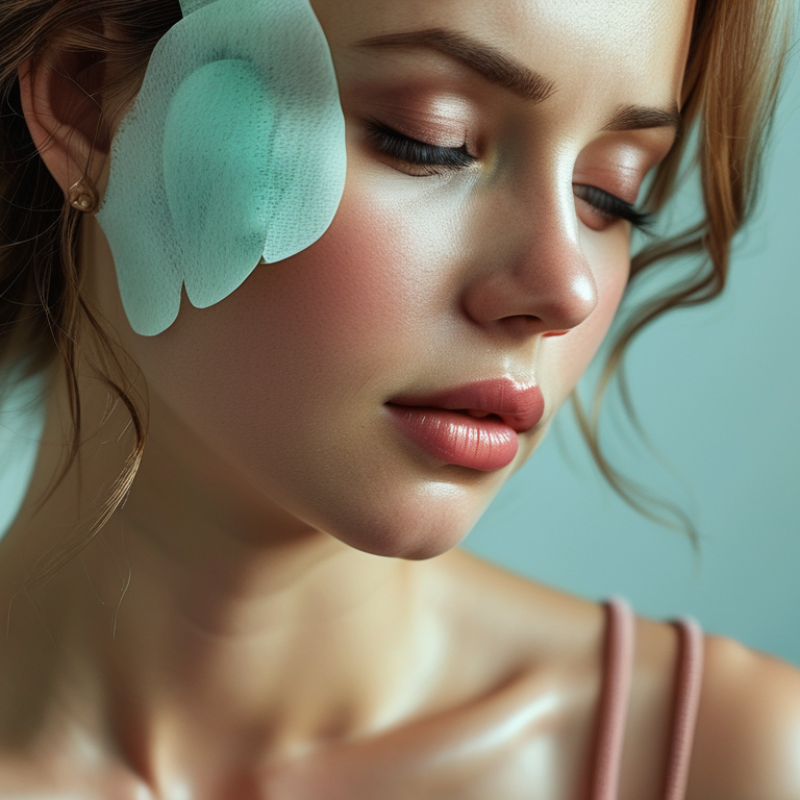
Heat patches are a popular method for relieving menstrual cramps. They operate using a straightforward principle: the application of heat relaxes muscles and improves blood flow. This increased circulation helps reduce pain by relaxing tense areas.
Research indicates that heat therapy can be as effective as certain medications for alleviating discomfort. By providing constant warmth, heat patches encourage the release of endorphins, which are natural painkillers. The soothing effect can significantly enhance comfort levels during painful periods.
While many find heat patches helpful, individual responses may vary. Some people might experience limited relief, depending on the severity of their cramps. It’s essential to explore various remedies in conjunction to find what works best for each unique situation. Tracking symptoms and responses can lead to better management of menstrual discomfort over time.
| Aspect | Details |
|---|---|
| Type of Cramps | Menstrual cramps, muscle spasms, tension headaches |
| Heat Patch Temperature | Typically 40-50°C (104-122°F) |
| Application Duration | Up to 8 hours depending on the product |
| Mechanism of Action | Increases blood flow, relaxes muscles, reduces pain signals |
| Safety Profile | Generally safe for most individuals; avoid direct skin contact |
| Contraindications | Skin conditions, allergies to adhesive, pregnancy (consult doctor) |
| Complementary Therapies | Over-the-counter pain relief, herbal remedies, gentle stretching |
: Heat patches relax muscles and improve blood flow, reducing pain by promoting circulation.
Ideally, use a heat patch for 15 to 30 minutes to maximize effectiveness without irritation.
Aim for a comfortable warmth, around 104°F (40°C), to avoid burns and enhance relief.
Not everyone experiences the same relief. Some may find limited effectiveness based on their cramps' severity.
Check your skin for irritation or burns. Adjust use if discomfort or skin issues occur.
Excessive use may mask issues. It's best to combine remedies and consult a healthcare provider if symptoms persist.
Target areas such as the lower abdomen or back for optimal relief from cramps.
Remove it immediately and consult a professional for advice on temperature and application.
Yes, prolonged exposure can lead to irritation, so it's important to follow safety guidelines.
Experiment with different patches, durations, and temperatures while tracking your body's responses.
Heat patches for cramps are a popular and effective method for alleviating discomfort associated with muscle spasms and menstrual pain. These patches work by providing targeted heat, which increases blood flow and relaxes tense muscles, offering scientific relief to those in need. When selecting a heat patch for cramps, it is important to consider factors such as duration and temperature settings, ensuring optimal use to prevent burns or discomfort.
In addition to heat therapy, combining the use of a heat patch with other pain management techniques, such as stretching or over-the-counter pain relievers, can enhance overall effectiveness. Safety should always be a priority; therefore, following best practices for application is crucial. By understanding how to effectively utilize heat patches for cramps, individuals can significantly improve their comfort and quality of life during painful episodes.

 Fuqin
Fuqin