What is a Hand Warmer and How Does It Work?

Time:2026-08-16 Author:Henry
0%

A hand warmer is a practical device that every outdoor enthusiast should know about. It provides instant warmth during cold weather. You can find various types of hand warmers, from reusable to disposable ones. Each type has its unique way of generating heat.

When the temperature drops, a hand warmer becomes essential. It can improve your comfort during winter sports or chilly walks. Using a hand warmer can be a simple yet effective solution to staying warm. However, not everyone is familiar with how these devices actually work.

Understanding how a hand warmer operates is crucial. Many people rely on them without knowing the science behind the heat generation. A little insight can help users choose the right type for their needs. With so many options available, being informed can prevent dissatisfaction. Exploring the different designs and mechanisms can enhance your experience. After all, the right hand warmer can make a significant difference on a cold day.
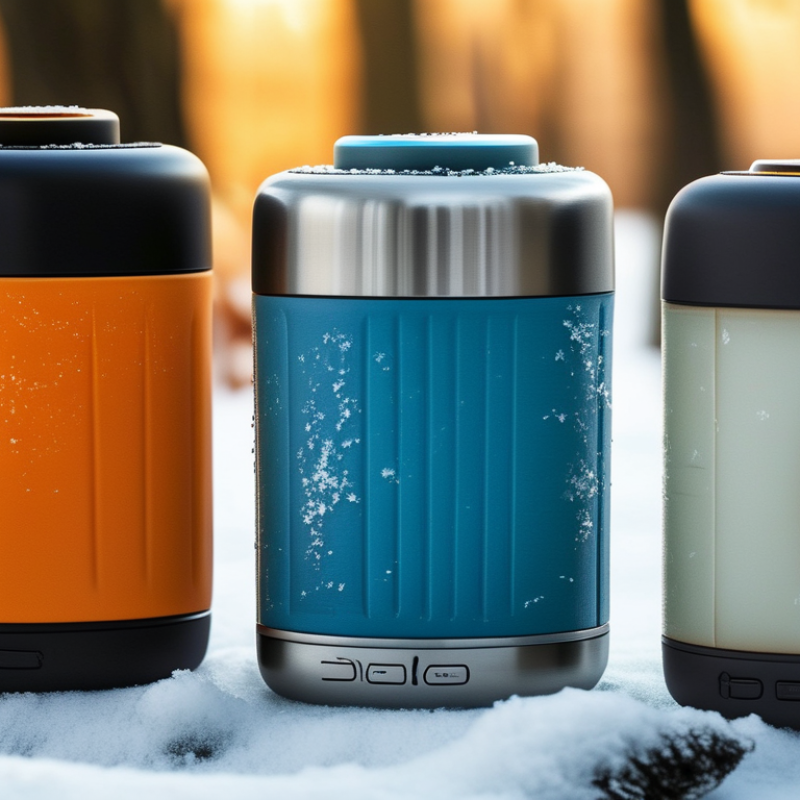
What is a Hand Warmer and How Does It Work?

What is a Hand Warmer?

A hand warmer is a small, portable device designed to provide warmth to your hands. Often used in cold weather, these gadgets come in various shapes and sizes. Some are reusable, while others are disposable. Most hand warmers utilize exothermic chemical reactions or physical processes to produce heat.

The chemical variety typically contains substances that release heat as they undergo a chemical change. For example, iron powder and salt create a reaction when exposed to oxygen. Users shake them gently to activate the warmth. On the other hand, some hand warmers rely on simpler methods. These include air-activated models that heat up through the reaction with ambient air.

It’s essential to recognize that not all hand warmers perform equally. Some generate heat more effectively than others. User preferences matter, too. Some people prefer longer-lasting warmth, while others might value portability. It's challenging to find the perfect balance. Testing different options is key to discovering what works best for individual needs.

Types of Hand Warmers: A Comprehensive Overview

Hand warmers are essential tools for keeping hands warm in cold environments. There are various types of hand warmers, each serving a specific purpose. The primary categories include disposable, reusable, and electric hand warmers. Disposable warmers are single-use, typically made with a mixture of iron powder, salt, and water. They generate heat through an exothermic reaction. Reusable warmers, on the other hand, can be activated multiple times, often using a solution that solidifies upon activation.

Electric hand warmers are rechargeable devices that provide consistent warmth. They utilize internal batteries, offering precise temperature control. According to a 2021 industry report, the market for electric hand warmers is projected to grow by 18% annually. This surge highlights the popularity of gadgets that combine warmth with convenience. The choice largely depends on the user's activity level and duration of use.

When selecting a hand warmer, consider your specific needs. For short outdoor activities, disposable warmers work well. If longer warmth is required, opt for reusable or electric models. Always check the safety guidelines of the product. The thermal output may vary greatly depending on the environment. In colder temperatures, checking for any signs of wear is crucial. This ensures reliable performance when you need it most.

What is a Hand Warmer and How Does It Work? - Types of Hand Warmers: A Comprehensive Overview

Type of Hand Warmer Heat Source Average Temperature (°F) Duration of Heat (Hours) Reusability
Chemical Hand Warmers Exothermic reaction 130 - 160 5 - 10 Single-use
Rechargeable Electric Hand Warmers Electric heating element 100 - 130 2 - 8 Reusable
Pocket Hand Warmers Gel or liquid solution 120 - 150 2 - 5 Reusable
Charcoal Hand Warmers Charcoal combustion 140 - 180 6 - 12 Single-use
Microwavable Hand Warmers Microwave heating 100 - 150 1 - 2 Reusable

How Do Chemical Hand Warmers Function?

Chemical hand warmers use exothermic reactions to generate heat. Typically, these devices contain iron powder, salt, water, and activated carbon. When exposed to air, the iron oxidizes, a process that releases energy in the form of heat. Studies show that this simple chemical reaction can maintain temperatures of around 50°C (122°F) for several hours.


The efficiency of chemical hand warmers is notable. According to a report from the American Chemical Society, these devices can produce around 300 watts of thermal energy per kilogram of iron. This output is impressive considering the compact size of the warmers. Their effectiveness makes them popular for outdoor activities and sports events, where maintaining body warmth is essential.


However, there are concerns associated with their use. Some users report over-reliance on such products, which may lead to inadequate preparation for colder conditions. Additionally, while chemical reactions are generally safe, improper disposal poses environmental risks. Awareness of the product's limitations and ecological impact is crucial, stressing the need for responsible use.

The Science Behind Electric Hand Warmers

Electric hand warmers are innovative devices designed to provide warmth during cold weather. They operate using rechargeable batteries and internal heating elements. The core principle behind them is quite simple: when activated, the device generates heat and distributes it evenly.

The science involves thermodynamics. As electricity flows through the heating element, it converts electrical energy into heat. This process warms the surrounding air and the surface of the hand warmer. Users can adjust the temperature to find their comfort zone. Many models offer multiple heat settings, allowing for personalized warmth.

Despite their effectiveness, some users note that hand warmers can take time to reach optimal temperatures. Others report uneven heat distribution, which can be frustrating. It's important to select a device that meets your needs and expectations. Not every option will work perfectly for everyone. Experimentation may be required to achieve the most satisfying experience.

Safety Tips for Using Hand Warmers Effectively

Hand warmers are practical devices designed to provide warmth in cold conditions. While they serve a useful purpose, safety is crucial for effective use. According to the Consumer Product Safety Commission, improper usage can lead to burns or other injuries. Therefore, knowing how to use them safely is essential.

When using a hand warmer, be aware of the temperature it generates. Most types reach around 130°F to 170°F. This warmth can feel comforting, but prolonged skin contact can cause burns. It’s advisable to keep the warmer inside a glove or pocket. This limits direct contact with the skin.

Another tip is to check the warmer’s packaging for instructions. Not all hand warmers are the same, and each type has its specific usage recommendations. If you notice any discoloration or hear odd noises, stop using it immediately. Remember, while these devices enhance comfort during outdoor activities, they require careful handling. Keeping safety top of mind will ensure the best experience without unnecessary risks.

FAQS

: What is a hand warmer?

: A hand warmer is a portable device providing warmth to hands in cold weather.

How do chemical hand warmers produce heat?

They use exothermic reactions, typically involving iron powder, salt, and water.

What types of hand warmers exist?

There are disposable, reusable, and electric hand warmers, each serving different needs.

How long do chemical hand warmers last?

They can maintain temperatures around 50°C for several hours, depending on conditions.

What should I consider when choosing a hand warmer?

Think about your activity duration and how much warmth you need for your tasks.

Are electric hand warmers better than disposable ones?

Electric models offer consistent warmth but need recharging; disposables are simple and single-use.

What are potential downsides of using chemical hand warmers?

Over-reliance on them might lead to unpreparedness for cold conditions.

Can hand warmers pose environmental risks?

Yes, improper disposal of chemical warmers can harm the environment and ecosystems.

How can I ensure my hand warmer works effectively?

Regularly check for signs of wear and maintain it according to product guidelines.

Is temperature control important for hand warmers?

Yes, precise temperature control is beneficial, especially for prolonged use in very cold weather.

Conclusion

A hand warmer is a portable device designed to provide heat to keep hands warm in cold conditions. There are various types of hand warmers, including disposable chemical hand warmers and rechargeable electric hand warmers, each catering to different needs and preferences.

Chemical hand warmers typically use exothermic reactions to generate heat, while electric hand warmers employ battery-powered heating elements. Understanding the science behind these devices enhances their effective use. Additionally, safety tips are crucial for maximizing the benefits of hand warmers while minimizing any risks associated with their use.

Henry

Henry

Henry is a dedicated marketing professional with a profound expertise in the company's offerings. With years of experience in the industry, he possesses an impressive understanding of the market dynamics and consumer behaviors that drive success. Henry is committed to sharing his insights through......