How to Choose Heat Patches for Your Business in 2026?

Time:2026-11-11 Author:Liam
0%

Heat Patches can look simple on a shelf: a sealed pouch, an adhesive backing, and warmth that lasts for hours. For a business, however, choosing a product means evaluating more than its unit price. Heat consistency, wear time, skin comfort, packaging quality, and dependable supply all affect customer experience. Small details matter.

The World Health Organization’s 2023 low back pain fact sheet estimates that 619 million people experienced low back pain in 2020, with cases projected to reach 843 million by 2050. This signals a substantial health need, not a sales forecast for heat products. That distinction matters. Businesses should treat health statistics as context, then validate demand through customer research, retailer feedback, and market-specific sales data.

In 2026, compare heat mechanisms, product dimensions, adhesive performance, and clear instructions for use. Ask suppliers for temperature and duration test results, quality-control details, and documentation supporting product claims. Review minimum order quantities, lead times, sample availability, and packaging options before committing. Also check applicable product and labeling requirements in each intended market. A polished brochure is not proof. Some choices will remain uncertain until real users test samples under ordinary conditions. The strongest sourcing decision balances verified performance, sensible margins, and a supplier able to deliver consistently—not merely the lowest quote.
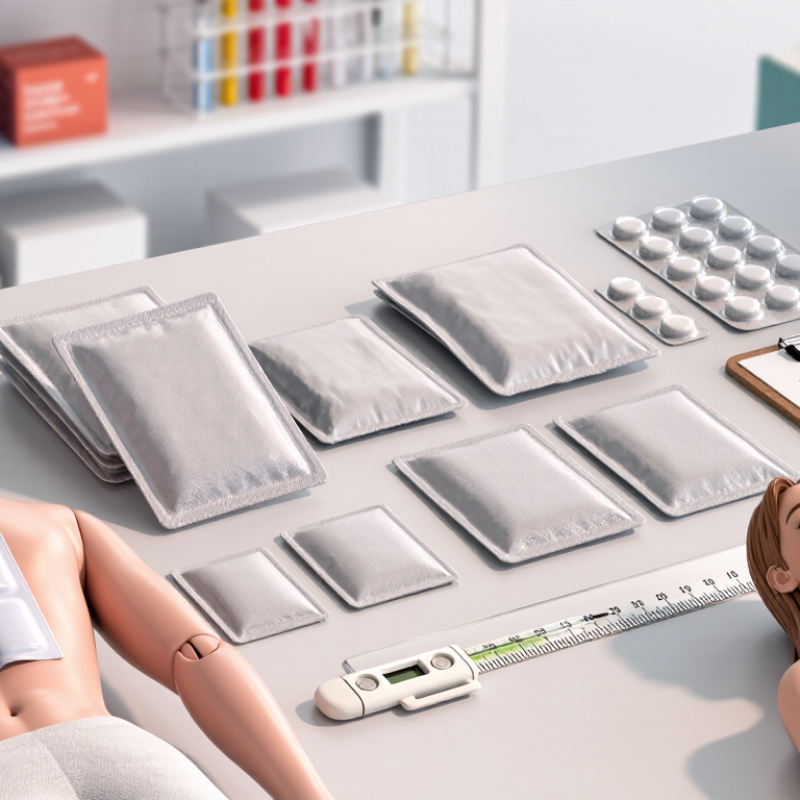
How to Choose Heat Patches for Your Business in 2026?

Define Your Business Needs for Heat Patches

Before comparing heat patches, define who will use them and where. A retailer serving commuters may need slim, individually wrapped patches that fit coat pockets. A workplace distributing them to outdoor staff may value secure packaging and simple instructions. Different use cases call for different designs.

That detail matters. Decide which body areas the patches are intended for, how long users may wear them, and whether they go over clothing or directly on skin. These choices affect size, adhesive strength, warmth, and wear time. Ask suppliers for clear product specifications and testing information. Review temperature and usage guidance carefully, and avoid making medical claims unless they are properly supported and permitted. Instructions should be easy to read, even in a small package.

Estimate order volume, storage space, and preferred packaging before requesting quotes. Then test samples with people who match your actual customer or staff group. Check whether patches stay in place during ordinary movement and whether the packaging is easy to open with cold hands. Our first volume estimate may be wrong; that is common, and it is worth revisiting after a small trial. Record complaints as well as praise. A patch that performs well in a showroom may feel different during a long, cold shift.

Compare Heat Patch Types, Materials, and Performance

How to Choose Heat Patches for Your Business in 2026?
Compare Heat Patch Types, Materials, and Performance

Heat patches differ in heat source, wear time, and feel against the skin. Air-activated patches use iron powder and oxygen, while reusable designs may rely on a crystallizing solution or a rechargeable element. Simple, but not interchangeable. For disposable products, compare the nonwoven cover, adhesive pattern, and moisture barrier. A soft, breathable top layer can feel more comfortable under clothing; a weak adhesive may lift at the edges during movement. Check temperature curves, not just advertised maximum heat.

Published clinical evidence offers a useful wear-time reference. A randomized trial in Spine tested low-level heat wraps for eight hours daily over five days for acute lower-back pain (Nadler et al., 2002). That protocol is not a universal product specification, but it shows why duration and controlled warmth matter. For business evaluation, request independent test data on warm-up time, temperature consistency, and heat retention. Ask how results change across room temperatures and package storage conditions. Small details matter. A patch that warms quickly may cool sooner, while a longer-lasting design may feel bulky. There is no perfect material choice; compare samples on real clothing and skin types before placing a large order.

How to Choose Heat Patches for Your Business in 2026? - Compare Heat Patch Types, Materials, and Performance

Typical product characteristics for business evaluation. Actual temperature, duration, instructions, and regulatory requirements vary by product and supplier; verify current specifications before purchasing.
Heat patch type Typical materials or mechanism Typical heat profile Reuse and operating needs Business fit and trade-offs
Air-activated disposable Iron powder, activated carbon, salt, water, and a porous pouch; oxygen exposure drives an exothermic oxidation reaction. Often designed to provide low, sustained warmth for several hours. Output depends on airflow, pouch design, placement, and product instructions. Single-use; no charging or external heat source required. Requires packaging that limits premature air exposure. Convenient for travel, outdoor, and high-volume retail programs. Recurring replenishment and used-patch waste are key considerations.
Reusable crystallization pack A sealed solution, commonly sodium acetate trihydrate, that releases heat when crystallization is triggered. Usually provides a relatively strong initial burst of heat that cools over time; duration depends on pack size, insulation, and ambient conditions. Reusable after the contents are returned to solution by heating according to the product instructions; needs access to a suitable heat source for reset. Can support a reusable-product offer. Consider reset time, pack durability, leak testing, and clear customer instructions.
Microwaveable fabric heat pack A fabric pouch filled with materials such as wheat, flaxseed, or other microwave-safe grains or seeds. Provides temporary warmth after heating; heat retention varies with fill, pouch construction, and room conditions. Reusable; requires a microwave and careful adherence to heating instructions. Overheating can create hot spots or damage the pack. Suitable for home-comfort assortments. Bulkier than adhesive patches and less suitable where a microwave is unavailable.
Rechargeable electric heat patch Resistive heating element, temperature-control circuitry, rechargeable battery, and a wearable textile or flexible housing. Heat level and runtime depend on the control settings, battery capacity, design, and use conditions; many models offer selectable settings. Reusable; needs charging and product-specific care. Battery, controls, and electrical safety documentation are important checks. May suit premium or technology-focused ranges. Higher purchase cost, charging needs, and after-sales support can add complexity.
Topical warming patch Adhesive backing with a topical formulation; ingredients may include counterirritants such as menthol or capsaicin, depending on the product. Creates a warming sensation through the formulation rather than an air-activated or electrically heated element; sensation and duration vary by formula. Typically single-use. Ingredient labeling, skin-use instructions, warnings, and applicable product classification require careful review. May fit wellness or topical-care categories. Confirm claims, labeling, market-specific rules, and consumer suitability before launch.

Selection checklist: compare intended use, target wear time, temperature controls or instructions, adhesive and skin-contact materials, packaging, shelf life, unit economics, quality documentation, and disposal or reuse requirements. Heat products can cause burns, especially with prolonged contact or reduced heat sensitivity; customers should follow the product instructions and warnings.

Check Safety Standards and Regulatory Requirements

Before choosing heat patches for a 2026 product line, map the rules in every sales market. A patch sold for comfort may face different requirements from one making therapeutic claims. Do not assume one certificate covers both. For medical-device pathways, assess risk management under ISO 14971 and biological safety using ISO 10993-1, where applicable. These standards guide evaluation; they do not replace local registration, labeling, or chemical rules.

The World Health Organization’s 2023 Burns fact sheet estimates 180,000 burn deaths worldwide each year. That figure covers burns broadly, not patch incidents, but it shows why heat exposure deserves careful control.

Ask suppliers for independent test reports showing temperatures across the entire patch, not just one central point. Test after aging, in varied temperatures, and under realistic clothing pressure. Test the edges. Check skin-contact materials, adhesive residues, warnings, instructions, lot traceability, and complaint records. For patches using heat-generating formulations, review safety data and packaging controls. In the United States, verify applicable consumer-product and medical-device obligations with qualified advisers; requirements depend on intended use and claims.

Keep evidence linked to the exact formula and factory. Small details matter. I would not rely on a polished datasheet alone. A sweaty commute can change real-world performance.

Evaluate Suppliers, Pricing, and Customization Options

Choosing heat patches for a business in 2026 starts with checking how a supplier works, not just comparing catalog prices. Ask for a current product specification sheet covering patch dimensions, ingredients, activation method, and expected heat duration. Request samples from the same production line you would order from. Feel them through the intended packaging, and record how quickly they warm up. Small differences matter. A supplier should explain quality checks and provide clear batch and storage information. If answers stay vague, pause before placing a large order.

Compare the full cost, not only the price per patch. Include minimum order quantities, sample charges, packaging, freight, and any setup fees. Ask for quotes at several order volumes, then calculate the delivered cost per usable unit. A very low quote can hide short shelf life or inconsistent output. I have seen spreadsheets miss one awkward detail: the carton size may raise shipping costs. Check lead times, too, and ask how delays are communicated.

Customization can make a product fit your customers, but it adds decisions. Discuss patch size, adhesive feel, wrapper design, instructions, and private-label options. Confirm which changes require new tooling or longer production time. Approve a physical sample and written artwork proof before production. Keep claims on packaging factual and supported by product documentation. One label revision can take longer than expected. Build that into your launch schedule, and retain approved samples for comparison when later shipments arrive.

Test Samples and Plan Your First Order

Treat sample testing as a purchasing decision, not a quick feel test. The World Health Organization’s 2023 low-back-pain fact sheet estimates that 619 million people experienced low back pain in 2020. This indicates a broad need, not proven demand for heat patches. CDC analysis of 2023 National Health Interview Survey data found that 24.3% of U.S. adults experienced chronic pain. Neither figure predicts your sales.

Request samples matching the materials, size, packaging, and warmth profile you plan to order. Test them on different days and record heat-up time, duration, adhesion, odor, and comfort. Follow the supplier’s use instructions; don’t treat a pleasant sensation as proof of effectiveness. Ask for batch specifications and shelf-life details, then compare every sample against them. Keep notes.

Before placing a first order, calculate landed cost, including freight, packaging, inspection, and likely defects. Set written acceptance limits for seal quality, labeling, and unit consistency. A small pilot order can reveal handling problems, but its per-unit cost may feel frustratingly high. That trade-off is worth reviewing against the cost of unsold stock. Collect feedback from a small group of intended users, revise the specification, and confirm production lead time before committing to larger quantities.

FAQS

Do heat patches face different requirements depending on their claims?

Yes. A patch marketed for comfort may face different requirements from one making therapeutic claims. Check each sales market separately.

Which safety standards may apply to heat patches?

ISO 14971 can guide risk management, while ISO 10993-1 can guide biological safety evaluation where applicable. Neither replaces local registration, labeling, or chemical rules.

What should supplier test reports include?

Ask for temperature readings across the entire patch, including edges. Request tests after aging and under varied temperatures and clothing pressure. Test the edges.

Which product details should be checked before ordering?

Review skin-contact materials, adhesive residue, warnings, instructions, lot traceability, and complaint records. For heat-generating formulations, check safety information and packaging controls.

How should product samples be evaluated?

Request samples matching the planned materials, size, packaging, and warmth profile. Record heat-up time, duration, adhesion, odor, and comfort across several days. Keep notes.

Do pain statistics prove demand for heat patches?

No. WHO estimates 619 million people experienced low back pain in 2020. CDC data found chronic pain among 24.3% of U.S. adults in 2023. These figures show need, not likely sales.

What costs should a first-order budget include?

Include freight, packaging, inspection, and likely defects in the landed cost. A small pilot may cost more per unit, but it can reveal handling problems.

What should be confirmed before a larger production order?

Set written limits for seals, labeling, and unit consistency. Gather feedback from intended users, revise the specification, and confirm lead time. Forecasts still need scrutiny.

Conclusion

Choosing Heat Patches for your business in 2026 starts with clearly defining your customers, intended uses, order volume, and budget. Compare available patch types, materials, sizes, wear times, and heat performance to find options that fit your product goals and user expectations. Consider comfort, ease of application, packaging, and consistency between units when assessing each design.

Before making a decision, review relevant safety standards and regulatory requirements for the markets where you plan to sell, and ask suppliers for clear product documentation. Compare pricing alongside minimum order quantities, production timelines, quality controls, and customization options. Request samples to evaluate heat levels, adhesion, packaging, and overall usability in practice. Use those results to refine specifications and estimate demand before placing a first order. A measured approach can help your business select suitable products while balancing safety, quality, cost, and reliable supply.

Liam

Liam

Liam is a dedicated marketing professional with a profound expertise in the industry, where he excels at highlighting the unique advantages of our core products. With a keen understanding of market trends and consumer needs, Liam frequently updates our company’s professional blog, providing......