Heat patches can offer steady, targeted warmth when a stiff shoulder or aching lower back makes movement uncomfortable. Yet “gentle heat” is not risk-free. Skin can become irritated or burned, especially when a patch stays in one place too long, feels unusually hot, or is used on skin with reduced sensation. Small details matter: the patch’s instructions, the condition of your skin, and whether you can check the area regularly.
Reliable guidance supports a cautious approach. The U.S. Food and Drug Administration’s labeling rule for certain over-the-counter topical analgesics, 21 CFR 201.326, includes warnings against combining these products with heating pads. The U.S. Consumer Product Safety Commission also identifies burns as a hazard associated with heat-producing products. These sources do not provide one universal safe-use schedule for every Patch Heat product. That limitation matters. Ingredients, adhesive designs, and heat output differ, so one product’s directions should not be assumed to fit another.
Before applying a patch, read its label and inspect the skin. Keep the area visible when possible. Stop if burning, marked redness, or discomfort develops. Simple steps. Still, they are easy to overlook when pain is distracting. This guide explains how to choose a suitable patch, apply it carefully, recognize warning signs, and know when professional medical advice is appropriate. It is not a substitute for individualized care, particularly for people with diabetes, circulation problems, or reduced skin sensation. Safety is not just about warmth; it is about noticing how your skin responds.
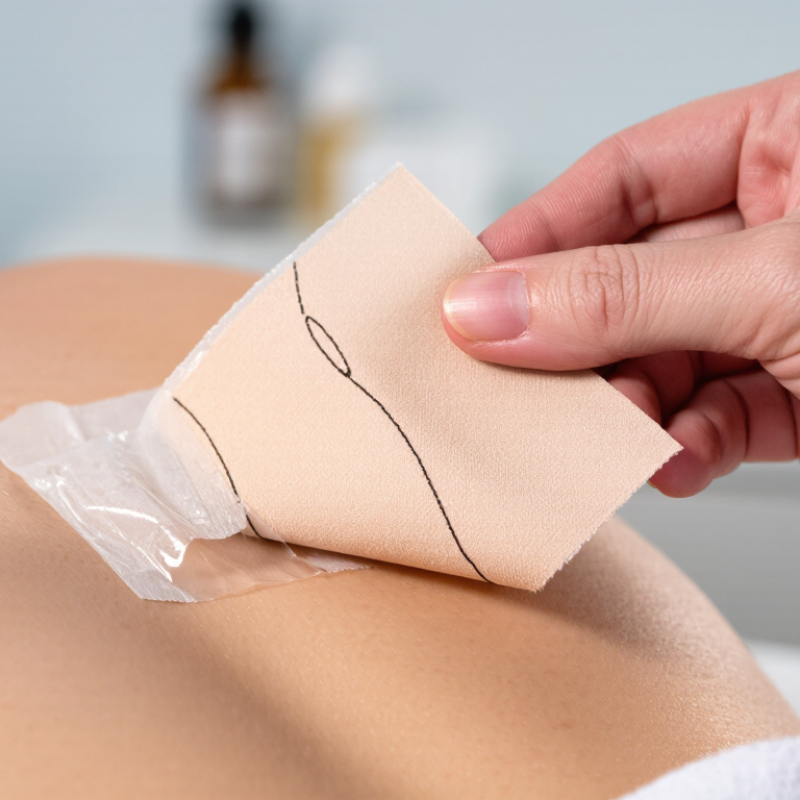
Heat patches transfer gentle warmth to the skin and nearby tissues. Many disposable patches warm up through a reaction between iron and oxygen; reusable types may work differently. The warmth can increase local blood flow and ease the feeling of tight, stiff muscles for a while. It does not repair an injury or reach every deep tissue. Warmth is not proof that healing is happening.
Tips: Read the product directions before use. Place the patch only where directed, and avoid damaged or irritated skin. Check your skin regularly. If it becomes very red, painful, or blistered, remove the patch and stop using it. Don’t wear one while sleeping unless its instructions specifically allow this.
A patch may feel mild at first, then grow warmer as the reaction continues. That change can be easy to overlook while you’re busy. Keep it away from other heat sources, such as heating pads, and don’t use it tightly under clothing unless the directions say to. People with reduced skin sensation, circulation problems, or difficulty removing a patch should ask a health professional before use. If pain is severe or persistent, seek medical advice rather than relying on warmth alone.
Read the package instructions for placement, wear time, and whether resting is allowed. Products differ. Do not guess.
Use it only on the body area named in the instructions, such as a sore lower-back muscle. Avoid your face, neck, and sensitive skin.
Keep the area clean and dry. Avoid cuts, rashes, swelling, or irritation. Do not use heat where sensation is reduced.
Inspect the area during use, especially the first time. Remove the patch if you notice burning, pain, or unusual redness. Warmth alone is not a safety test.
Only if the package instructions explicitly allow it. Otherwise, avoid both. Trapped heat can irritate skin.
Follow the recommended wear time. Peel it back slowly, close to the skin. Do not yank it. Fold the used patch onto itself and discard it away from children and pets.
Rinse the area with cool running water. Avoid ice, and do not apply another patch to irritated skin. I once assumed lingering discomfort was ordinary warmth; that was too casual.
Ask a health professional about blistering, worsening pain, or a reaction that does not settle. Seek urgent help for facial or throat swelling, trouble breathing, or widespread hives. Note how long the patch was worn.
Heat patches work by producing steady warmth that may help relax tense muscles and ease minor discomfort. Before using one, read the product instructions carefully and check that the patch is intended for the area you plan to treat. Make sure your skin is clean, dry, and free from cuts, irritation, or other sensitivity. If you are unsure whether heat is suitable for you, seek professional advice first.
Apply the patch only as directed, and avoid placing it on delicate skin or areas where pressure could increase discomfort. Check your skin regularly while wearing it, and follow the stated time limit rather than extending exposure or adding another heat source. Remove the patch if it feels uncomfortably hot or causes redness, burning, itching, or pain. After removal, let the skin cool; if a reaction is severe or does not improve, contact a healthcare professional. Patch Heat should be used thoughtfully, with attention to instructions and your skin’s response.

 Fuqin