China Top Heat Pads for Back Pain Manufacturers?

Time:2026-09-25 Author:Sienna
0%

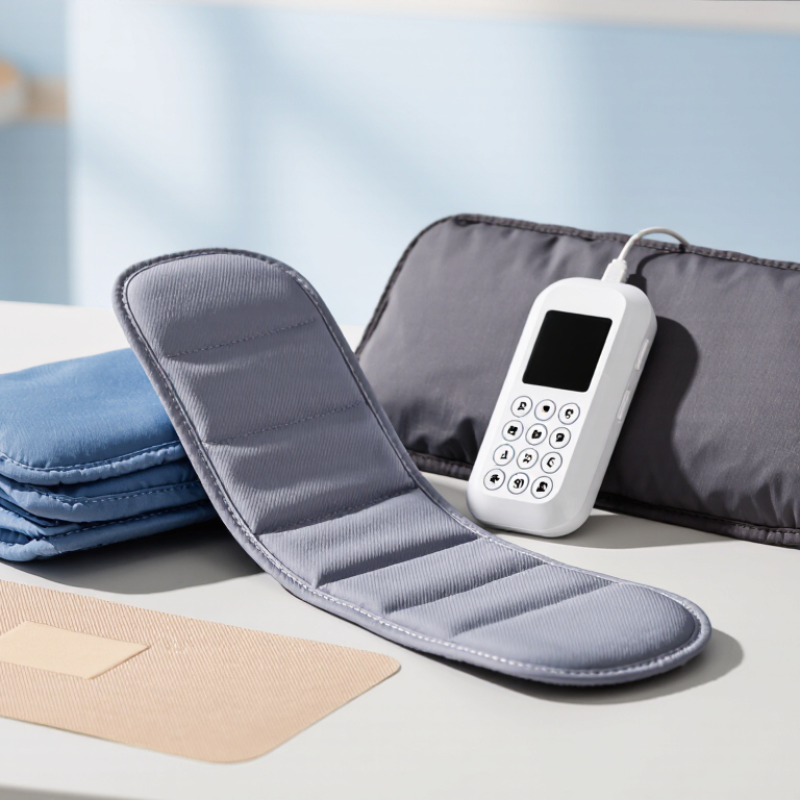
China’s heat-pad market offers buyers a wide range of formats, from slim adhesive patches to reusable electric wraps. Yet a polished sample is only the beginning. For anyone researching “China Top Heat Pads for Back Pain Manufacturers,” the more useful questions concern materials, temperature control, batch consistency, and clear product instructions. Small details matter: a flexible edge should stay flat beneath clothing, and a controller should be easy to read beside a desk or bed.

Pain psychologist Dr. Rachel Zoffness’s work emphasizes that pain is shaped by more than physical tissue alone. Applied here, that is a useful reminder: Heat Pads Back Pain products may offer temporary comfort, but they do not diagnose or treat every cause of back pain. Comfort matters. So does restraint. Avoid sourcing language that promises a cure, and check whether the manufacturer can document its testing, explain safe-use limits, and provide consistent specifications across production runs.

A supplier’s website can look convincing. The sample may feel different. Ask for material details, temperature settings, operating instructions, and evidence that quality checks are repeated—not just performed once. Then compare those records with the product in hand. This process is not glamorous, and it can still miss things. That is precisely why careful buyers leave room for follow-up questions before choosing a factory. The strongest manufacturer is not simply the one with the lowest quote; it is the one that can explain what the product does, what it cannot promise, and how it keeps each unit consistent.
China Top Heat Pads for Back Pain Manufacturers?

What Are Heat Pads for Back Pain?

Heat pads for back pain are products that apply gentle warmth to the lower or upper back. They may be electric, reusable, or designed for single use. Warmth can help relax tight muscles and ease temporary stiffness, especially after long periods of sitting. It does not treat every cause of back pain, and relief can vary from person to person.

A pad should feel comfortably warm, never hot or stinging. Follow its instructions, place it over clothing when directed, and check your skin regularly.

A small patch can shift or wrinkle when you move, which is annoying but worth noticing. Avoid using heat while sleeping, or on skin with reduced sensation, unless a healthcare professional advises otherwise.

Stop if your skin becomes red, painful, or unusually warm. Persistent, severe, or worsening back pain deserves medical advice rather than repeated heat alone.

Warmth may help. It is not a diagnosis.

How Are Heat Pads Designed and Manufactured in China?

In China, back-pain heat pads are designed by balancing warmth, fit, and everyday comfort. Product teams may begin with back measurements and paper patterns, then test fabric samples against the body. A pad should cover the lower back without bunching when the wearer sits. Small details matter: rounded corners, soft binding, and a cable exit that does not press against the waist.

For an electric pad, manufacturers place a heating element between insulating layers and connect it to a temperature controller. Prototypes are checked for even heat, stable wiring, and reliable shutoff behavior. Production staff inspect stitching and electrical connections, while sample units may undergo repeated heating and flexing tests. Not every first sample gets this right. A seam can look neat on a table yet rub after an hour of wear.

Before shipment, factories typically review finished units, packaging, and batch records. Testing plans should match the product design and its intended market; buyers can request documented results and clear instructions for use. Fabric thickness, body shape, and personal heat sensitivity all affect comfort, so one temperature setting will not feel identical to everyone. These limits deserve attention during design, not just after complaints arrive.

China Top Heat Pads for Back Pain Manufacturers? - How Are Heat Pads Designed and Manufactured in China?
Design or Manufacturing Stage Product Dimension Common Approach Practical Verification Point
Product definition Intended use and coverage Design briefs typically define the target area, such as the lower back, and whether the pad is intended for seated or stationary use. Check the usable heated area, pad dimensions, instructions, and stated limitations of use.
Heating-system design Heating element Electric models commonly use insulated resistance wire or a flexible printed heating element arranged within a layered pad. Review the element layout, insulation construction, connection points, and protection against local overheating.
Temperature control Controller and heat settings Controls may provide multiple heat settings, a temperature sensor, and an automatic shut-off function. Features vary by model. Confirm the control functions, timer behavior, sensor operation, and the temperature limits specified for the product.
Material selection Cover and inner layers Common constructions combine a textile outer cover with insulating, protective, and heating layers. Removable covers may be designed for separate cleaning. Check fabric composition, seam strength, care instructions, and whether the controller or heating insert must be removed before washing.
Patterning and assembly Cutting, stitching, and element placement Fabric panels are cut to pattern, the heating element is positioned between layers, and the assembly is sewn or otherwise joined according to the design. Inspect stitching, edge finishing, cable strain relief, connector fit, and consistency of element placement.
Electrical and safety checks Electrical construction and protection Checks may include electrical continuity, insulation, control operation, and evaluation of safety functions. Applicable requirements depend on the destination market and product type. Request test documentation for the exact model and market. Flexible electric heating appliances may be assessed against relevant standards, including IEC 60335-2-17 where applicable.
Production quality control In-process and final inspection Manufacturing checks can cover incoming materials, assembly workmanship, controller function, labeling, and finished-product operation. Ask for written inspection criteria, defect handling procedures, traceability records, and final inspection results.
Packaging and documentation Instructions, labels, and shipment preparation Packaging normally includes product identification, operating instructions, care guidance, warnings, and market-specific labeling. Verify that the manual and labels match the delivered configuration, electrical rating, intended market, and tested model.
Supplier evaluation Manufacturing capability Suppliers may differ in design support, material sourcing, assembly processes, testing facilities, and production capacity. Compare samples, technical files, audit evidence, quality procedures, lead times, and change-control practices rather than relying on product descriptions alone.

Which Types of Heat Pads Do Chinese Manufacturers Produce?

Chinese manufacturers produce several types of heat pads for back pain, each suited to different routines. Electric pads use wired or rechargeable heating elements, with adjustable settings and timed shutoff on some models. They work well at a desk or beside a bed. Microwavable packs contain gel, grain, or other heat-retaining fillings; their warmth is simple, but fades as they cool. Disposable self-heating wraps use air-activated materials and can fit under clothing for portable, hands-free use. Some factories also make infrared-style pads, though the technology and performance vary by product.

The Lancet Rheumatology’s Global Burden of Disease analysis estimated that 619 million people had low back pain in 2020, with cases projected to reach 843 million by 2050. That burden helps explain demand for varied heat formats, but it does not prove that every pad eases pain. A Cochrane review found modest short-term benefits from continuous low-level heat wraps for acute and subacute low-back pain; evidence was limited. Small detail, but important: buyers should check temperature controls, contact materials, and instructions for use. A warmer setting is not automatically better. Manufacturers’ specifications can also be uneven, so comparison takes care.

Which Types of Heat Pads Do Chinese Manufacturers Produce?

Common heat-pad formats for back pain, grouped by how they generate heat

The chart is a product-type comparison, not a market-share estimate. A value of 1 indicates the heat source associated with that format; 0 indicates it is not the defining heat source. Specific designs and features vary by product.

How to Evaluate Chinese Heat Pad Manufacturers

China Top Heat Pads for Back Pain Manufacturers?

How to Evaluate Chinese Heat Pad Manufacturers

The World Health Organization reported that low back pain affected 619 million people in 2020, with projections reaching 843 million by 2050. (WHO, 2023.) That scale makes product reliability important, but it does not prove a heat pad treats back pain. Assess the factory, not just the catalogue.

Request temperature-uniformity maps, overheat-protection test records, material specifications, and batch traceability. Check whether IEC 60335-2-17 applies to the product and its intended market. Have an independent laboratory confirm the tested model matches the offered unit. Review recent production inspection and defect-handling records. Ask for raw records. A neat audit file is reassuring, but I would not treat it as proof; paperwork can outshine routine factory practice.

Tips: Compare samples from three production batches. Check cable strain relief, stitching, and heat consistency after repeated use. Record unanswered questions, too. A supplier’s response to a small technical query can reveal gaps that a polished presentation may hide.

What Safety Standards Apply to Heat Pads for Back Pain?

For buyers comparing China’s heat pad manufacturers, safety standards deserve more attention than fabric, price, or heating speed. IEC 60335-2-17 covers household electric blankets, pads, and similar flexible heating appliances. It addresses insulation, abnormal operation, moisture resistance, temperature control, and endurance testing. In North America, UL 130 is commonly used for electric heating pads and blankets. Compliance should include a current test report, not only a printed certification mark.

Temperature control is critical. A pad touching the lower back can create pressure points, especially during sleep or reduced sensation. IEC 60601-1 may apply when a product is marketed as medical electrical equipment, but classification depends on its intended use. The World Health Organization reports about 180,000 burn deaths globally each year, mostly from household and community incidents. Heat pads represent only a small part of this burden, yet preventable contact burns still deserve careful controls.

Look for automatic shutoff, a visible temperature display, overheat protection, and clear washing instructions. Cords should resist bending near the controller. The surface should remain evenly warm, not develop a hot corner after thirty minutes. Independent laboratories can assess these details through electrical safety, flammability, and aging tests. However, standards do not remove every risk. Labels may be ignored, instructions may be translated poorly, and real users sometimes fold the pad. That uncomfortable gap deserves more honest attention.

FAQS

How are back heat pads designed for everyday comfort?

Design teams may start with back measurements, paper patterns, and fabric samples. A pad should cover the lower back without bunching when seated. Rounded corners and soft binding can reduce rubbing. Yet a neat seam may still feel irritating after an hour.

What types of back heat pads are commonly made?

Common options include electric pads, microwavable packs, and disposable self-heating wraps. Electric models may have adjustable settings or timed shutoff. Microwavable packs cool over time. Portable wraps fit under clothing, but product performance varies.

How are electric heat pads assembled and tested?

A heating element sits between insulating layers and connects to a temperature controller. Staff inspect stitching and electrical connections. Sample units may undergo repeated heating and flexing tests. Not every early sample performs evenly.

What safety features should buyers look for?

Look for automatic shutoff, overheat protection, and clear temperature controls. Check whether the pad stays evenly warm after thirty minutes. Cords should resist bending near the controller. Small details matter.

Which safety standards may apply to electric heat pads?

IEC 60335-2-17 covers household flexible heating appliances, including pads. UL 130 is commonly used in North America. IEC 60601-1 may apply to products marketed as medical electrical equipment. Applicability depends on intended use.

What documents can buyers request from a manufacturer?

Ask for current test reports, clear use instructions, and batch records. Testing should match the product design and intended market. A printed mark alone may not show the full test results.

Do heat pads reliably relieve back pain?

Evidence suggests continuous low-level heat wraps may offer modest short-term benefits for some acute or subacute low-back pain. Evidence is limited. A heat pad is not guaranteed to help everyone.

What can affect comfort and safe use?

Fabric thickness, body shape, and heat sensitivity can change how warmth feels. Pressure points may raise burn risk, especially during sleep or reduced sensation. Instructions can be ignored or translated poorly. That gap deserves more attention.

Conclusion

Heat Pads Back Pain are portable therapeutic products designed to deliver controlled warmth to the lower back and surrounding muscles, helping users relax, improve comfort, and manage everyday stiffness. Chinese manufacturers typically develop these pads with heating elements, temperature controls, insulation layers, soft fabrics, and adjustable fasteners. Their production process may include material selection, circuit assembly, sewing, functional testing, heat distribution checks, and final quality inspection. Common product types include electric heating pads, rechargeable models, microwaveable pads, and reusable gel or herbal-filled options, each suited to different usage preferences.

When evaluating Chinese heat pad manufacturers, buyers should review production experience, customization capabilities, quality-control procedures, sample performance, communication, and supply consistency. Safety is equally important: products should incorporate overheat protection, secure wiring, reliable controllers, clear care instructions, and appropriate temperature limits. Manufacturers should also support relevant electrical safety, material safety, labeling, and electromagnetic compatibility requirements for the intended market. Independent testing, traceable documentation, and user-focused design can help ensure the finished product is dependable and suitable for responsible everyday use.

Sienna

Sienna

Sienna is a skilled marketing professional with a deep expertise in our company’s core products and services. With a passion for innovation and detail, she plays a pivotal role in crafting insightful blog posts that not only highlight the unique features of our offerings but also provide valuable......