As global temperatures continue to drop, the demand for effective hand warmers is on the rise. According to recent industry reports, the global hand warmer market is expected to grow significantly by 2026. This growth is driven by consumers seeking reliable solutions for warmth during cold weather. Hand warmers provide comfort in outdoor activities, daily commutes, and emergency situations.
In China, several brands are leading the way in innovation and technology related to hand warmers. These products range from disposable models to rechargeable versions. The Chinese market is becoming increasingly competitive, with new entrants regularly emerging. Many consumers prefer hand warmers that offer longer heating times and portability.
Despite advancements, challenges remain. Some hand warmers can be less effective in extremely low temperatures. Furthermore, consumer preferences are shifting towards eco-friendly options. Brands must adapt to these trends to maintain market relevance. Understanding these dynamics is crucial for global buyers looking to source the best hand warmers in China.
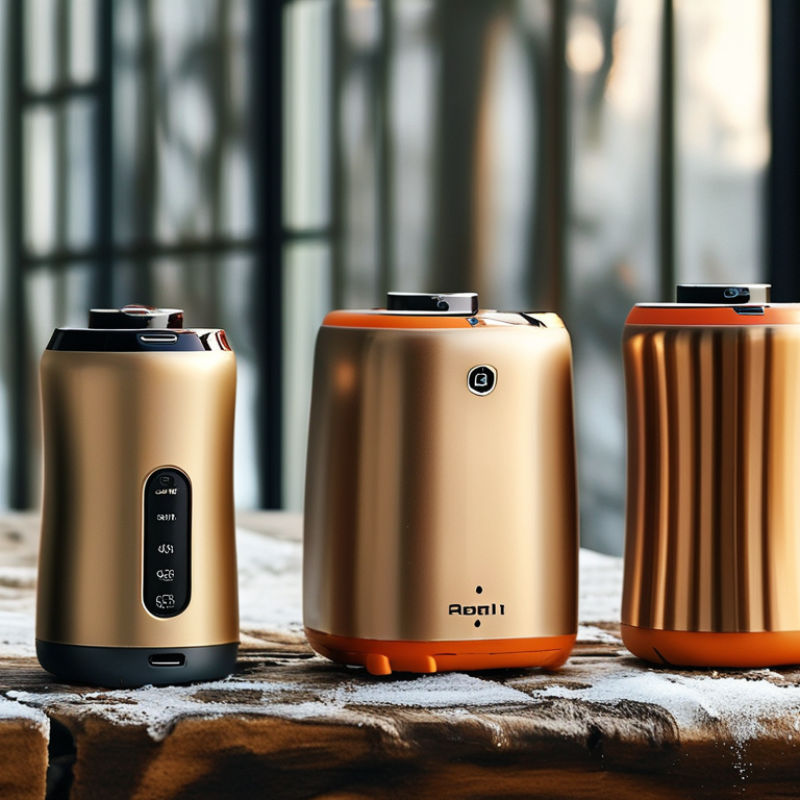
As we approach 2026, the hand warmer market in China is undergoing significant transformation. Innovations in materials and technology are redefining user experience. According to a recent report by MarketsandMarkets, the global portable hand warmer market is expected to reach USD 1.89 billion by 2026, with a compound annual growth rate (CAGR) of 7.5%. This trend underscores a growing demand for effective heating solutions in cold climates.
One notable advancement is the integration of smart technology into hand warmers. Many devices now feature Bluetooth connectivity, allowing users to control temperature settings via smartphone apps. This appears to enhance user satisfaction, as consumers seek more customizable experiences. Additionally, eco-friendly materials are on the rise, with biodegradable and recyclable options gaining traction. The shift aligns with the increasing global focus on sustainability, even in consumer gadgets.
Despite these advancements, challenges remain. Consumer concerns about battery life and safety continue to linger. Reports indicate that many users desire longer-lasting heat without compromising safety. As the industry evolves, manufacturers must address these issues to foster trust and reliability. The path to innovation is not without hurdles, and continuous reflection on user feedback will be crucial for success.
The hand warmer industry in China is poised for robust growth. By 2026, the market is expected to see significant increases in both size and variety. Rising consumer demand for portable heating solutions drives this trend. Hand warmers offer comfort and convenience in cold weather. They appeal to outdoor enthusiasts and everyday users alike.
Tips: When considering a hand warmer, check the heating duration and safety features. Some models may overheat or fail to maintain warmth. Buyer awareness is crucial, as not all options are created equally.
Consumers prefer products that combine practicality with design. This trend suggests an evolution towards stylish, efficient hand warmers. Simple designs may lack essential features. Functionality may vary significantly across products. Understanding personal needs will help buyers make informed choices.
Exploring varied temperature settings can enhance user experience. Adjustable heat levels cater to different preferences. However, it’s important to balance functionality with portability. Some compact models sacrifice heating power for convenience.
The hand warmer market in China has seen substantial growth in recent years. Many companies are now focusing on innovative designs and sustainable materials. This has led to a variety of products targeting different consumer needs. Some hand warmers are rechargeable, while others use disposable heating pads. Each type has its unique features that appeal to diverse groups.
A few leading players stand out in this competitive landscape. They invest significantly in research and development. This allows them to introduce features that enhance user experience. For instance, some devices offer multiple heat settings and fast warming times. Others have a dual function of providing warmth and charging devices. Such versatility attracts consumers looking for practicality and efficiency.
Nonetheless, there are challenges in this market. Quality control remains a concern, with variations in product performance. Some consumers express dissatisfaction with limited heating duration. Additionally, while prices can vary widely, many seek affordable options without sacrificing quality. Continuous feedback from users is essential for brands to improve. This situation emphasizes the importance of consumer voices in shaping the future of this industry.
| Product Type | Material | Heat Duration (Hours) | Average Price (USD) | Market Share (%) |
|---|---|---|---|---|
| Disposable Hand Warmer | Iron powder | 8 | 0.50 | 35 |
| Rechargeable Hand Warmer | Plastic and metal | 5 | 20.00 | 50 |
| Chemical Hand Warmer | Sodium acetate | 6 | 1.50 | 15 |
| USB Hand Warmer | Aluminum | 4 | 15.00 | 10 |
Innovative materials are transforming the hand warmer market in China. As technology evolves, new substances enhance performance significantly. Many hand warmers now use advanced aerogel and phase-change materials. These compounds offer superior insulation and longer-lasting heat retention compared to traditional options. Users can enjoy warmth without frequent recharges.
The design of hand warmers is changing as well. Sleeker, more compact models incorporate innovative materials that improve portability. Some models are even biodegradable, appealing to eco-conscious consumers. However, sourcing these new materials can be challenging and costly. Finding a balance between sustainability and affordability requires ongoing research.
Despite improvements, some issues remain. For example, not all materials perform equally in extreme conditions. Variability in temperature can affect heat output, leading to user disappointment. Manufacturers must remain vigilant in testing. Continuous feedback from users is vital for refining products. Integrating innovative materials is promising, but ensuring reliability is essential for future success in this competitive market.
Sustainability is becoming crucial in hand warmer manufacturing. As awareness of environmental issues grows, consumers demand eco-friendly options. According to a recent market report, the global hand warmer market is projected to reach $2 billion by 2026. Manufacturers are responding by investing in sustainable materials such as biodegradable plastics and recyclable metals. This shift reflects a broader trend in the industry aimed at reducing carbon footprints.
Many traditional hand warmers use harmful chemicals that contribute to pollution. Newer alternatives focus on renewable energy sources. For instance, rechargeable electric hand warmers reduce waste generated from disposable units. Reports indicate that almost 60% of consumers prefer products with sustainable sourcing and minimal environmental impact. Companies are keen to adapt; those failing to embrace these changes risk losing market share.
The rise in popularity of sustainable hand warmers invites critical reflections. While many products advertise eco-friendliness, actual practices can vary. Transparency in sourcing and manufacturing processes remains a key concern. Consumers continue to seek reliable information. This emphasizes the need for brands to establish credibility through verified claims and certifications. Balancing sustainability with affordability poses challenges that require innovative solutions.
: The demand for effective heating solutions in cold climates is a key factor.
It is projected to reach USD 1.89 billion.
Smart technology, including Bluetooth connectivity for temperature control, is being integrated.
Many consumers appreciate the customizable experiences these features offer.
Eco-friendly, biodegradable, and recyclable materials are gaining traction.
Sourcing new materials can be costly and finding a balance with affordability is tough.
Users want longer-lasting heat without compromising safety, which remains a challenge.
Variability in temperature can affect heat output and lead to dissatisfaction.
Continuous feedback is crucial for refining products and ensuring reliability.
No, some materials do not perform well under extreme conditions.
The article explores the evolving landscape of hand warmers in China as we approach 2026, highlighting key trends in technology and market dynamics. As the demand for hand warmers continues to grow, the industry is witnessing significant advancements in energy efficiency and design, catering to a diverse range of consumers.
With a promising market size and growth forecast, the hand warmer sector is also seeing increased competition among various key players. Innovative materials are enhancing performance, making these products more effective than ever. Additionally, sustainability is becoming a priority in manufacturing processes and usage, reflecting consumer preferences for eco-friendly options. This comprehensive overview emphasizes the importance of hand warmers in contemporary life, showcasing their potential for future innovation and market expansion.

Fuqin