I can write the introduction, but no source articles or verifiable expert quotation were included. To avoid inventing an expert or misattributing a quote, please provide a source or the expert’s name and quotation.
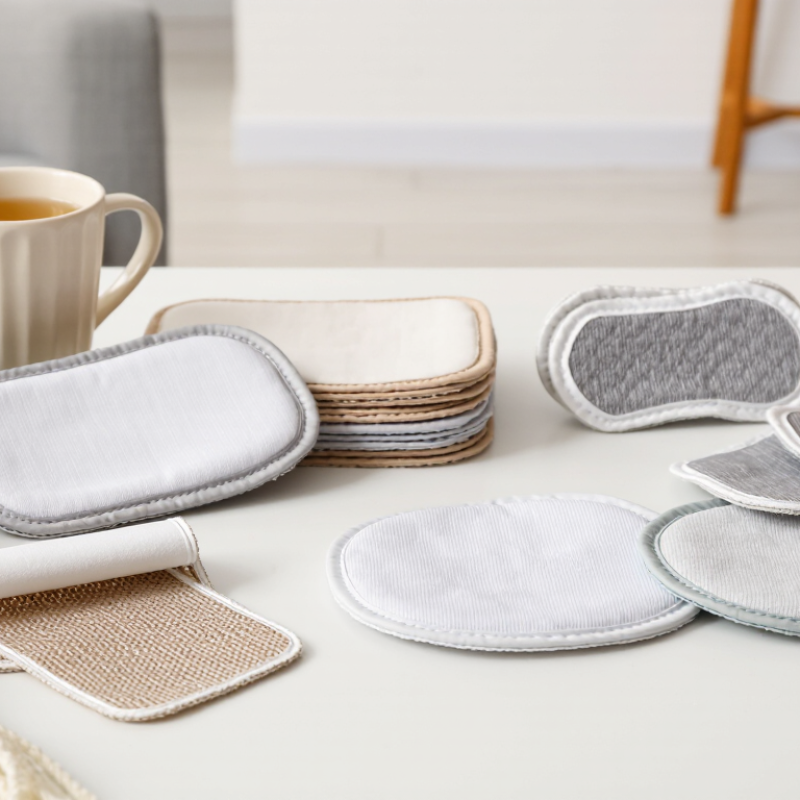
Heating patches do not all create warmth in the same way. Some use air-activated iron powder; exposure to oxygen produces heat over several hours. Others contain topical ingredients such as capsaicin or menthol, which create warming or cooling sensations on the skin. Those sensations do not necessarily mean deeper tissue is getting hotter. Read the label. Check whether a patch provides dry heat or contains medication, and review its active ingredients before use.
Wear time depends on the patch design, so there is no single safe duration for every product. Follow the package directions and remove the patch if your skin becomes painful, very red, itchy, or unusually hot. Tight clothing may trap heat. Do not combine a patch with a heating pad or wear it while sleeping unless its directions explicitly permit this. People with reduced skin sensation, circulation problems, or fragile skin should ask a clinician or pharmacist before use. Small details matter. Skin irritation can build even when the warmth feels mild, so check the area periodically. If pain persists or worsens, seek medical advice rather than extending wear time.
A heating patch is a small chemical reactor. Air enters through tiny openings, and iron powder oxidizes, releasing heat. Salt and moisture help the reaction; charcoal and mineral fillers can help distribute warmth. More airflow usually means faster heating, but not necessarily a steadier temperature. The patch may feel mild through clothing, then surprisingly hot where fabric bunches or skin presses against it. Small details matter.
Temperature alone does not tell the whole safety story. ISO 13732-1:2006 assesses contact-burn risk using both surface temperature and exposure time. Clinical burn literature also describes injuries after prolonged contact with heat sources around 44–50°C; those figures are not universal safety limits. Skin sensitivity, circulation, sleep, and pressure all change the picture. Follow the product’s wear instructions, avoid tight compression, and check the skin regularly. Redness, stinging, or numbness means remove the patch. A patch that feels comfortable at first can still irritate skin later. That part is easy to underestimate.
| Patch type | How it produces heat | Typical temperature profile | Skin-contact guidance | Typical use and practical notes |
|---|---|---|---|---|
| Air-activated iron warmer | Iron powder reacts with oxygen in the air. Water and salt help the reaction; activated carbon and mineral fillers may help distribute heat. | Warms gradually after opening. Some products can reach roughly 40–60°C at the warmer surface, but temperature and duration vary by design and airflow. | Many are designed for use over clothing, not directly on skin. Follow the package instructions; prolonged pressure or restricted airflow can change the heat profile. | A common choice for outdoor or general warming. Usually single-use; keep the warmer away from sensitive skin and check it regularly. |
| Adhesive body-warming patch | Often uses the same air-activated iron oxidation chemistry, packaged with an adhesive backing or a design intended for placement on clothing. | Designed to provide steady warmth, but the actual temperature depends on the product, placement, clothing, and exposure to air. There is no single standard temperature for all patches. | Attach only where and how the label specifies. “Adhesive” does not automatically mean safe for direct skin contact; do not apply to irritated or damaged skin. | Useful when a patch needs to stay in place. Remove it if it feels excessively hot, painful, or uncomfortable. |
| Low-temperature heat-therapy patch | May use a controlled air-activated warmer or another heat-generating design intended to deliver gentle, sustained warmth. | Some products are designed to maintain a skin-facing temperature around 40°C, but performance differs. Check the stated temperature and wear time on the specific package. | Direct-skin use is appropriate only when the instructions explicitly allow it. Low-temperature burns can still occur, especially during long wear or sleep. | Often selected for temporary muscle or joint warmth. Use only for the labeled duration and avoid combining with other heat sources. |
| Reusable crystallizing heat pack | A trigger starts crystallization in a supersaturated solution, commonly sodium acetate. The change releases stored heat; boiling the pack resets it. | Often becomes quite warm while crystallizing, then cools as heat is released. Temperature depends on the pack and should not be assumed safe for direct skin contact. | Use a fabric barrier unless the manufacturer specifically states otherwise. Check the pack for leaks or damage before use. | Reusable and convenient for short warming sessions. It is generally bulkier than a thin disposable patch and needs reheating to reset. |
| Electric warming patch or pad | An electrical resistance element converts electrical energy into heat; some designs offer adjustable settings or automatic shutoff. | Temperature is controlled by the device, but settings and safety features vary. Follow the manufacturer’s temperature and session limits. | Use only as directed. Do not use damaged equipment, and avoid use while sleeping unless the device instructions explicitly permit it. | A reusable option when adjustable heat is preferred. Requires a power source and is less suitable for use on the move. |
Safety note: Heating patches can cause burns, including low-temperature burns during prolonged contact. Follow the product label, check the skin regularly, and use extra caution for children and people with reduced sensation or circulation. Stop use if the skin becomes painful, unusually red, or blistered.
For acute back pain, the most useful heating patch is one that delivers steady, comfortable warmth and fits securely beneath clothing. The American College of Physicians’ 2017 guideline recommends superficial heat for acute or subacute low-back pain, based on moderate-quality evidence. That recommendation supports heat as a short-term, non-drug option—not as a cure or a ranking of specific products. A 2023 Global Burden of Disease analysis estimated that 619 million people had low-back pain in 2020, underscoring how common the problem is. Still, heat may not suit every person or every cause of pain.
Tips: Check the patch instructions, test the temperature, and protect sensitive skin. Avoid using heat where sensation is reduced, and do not sleep with a patch unless its instructions explicitly allow it. Stop if your skin becomes very red or uncomfortable.
Look for clear wear-time guidance, even heat, and a design that does not bunch when you sit or bend. The evidence cited by ACP includes studies of superficial heat, such as heat wraps; it does not establish that every patch works equally well. That distinction is easy to miss. If pain follows an injury, worsens, or comes with weakness, numbness, or fever, seek medical advice rather than relying on heat alone.
For 2026, compare heating patches against a clear benchmark: about 40°C of steady warmth for eight hours. Treat this as a reference point, not proof that every product performs equally. Check whether the maker reports measured temperature over time, rather than only a maximum. Fit matters, too. A patch that bunches beneath a waistband may leave one area warm and another untouched. Small details count.
Clinical evidence adds useful context. A Cochrane review of superficial heat for low-back pain included nine trials and found short-term benefits from heat wraps for pain and function, while noting that the evidence was limited (French et al., Cochrane Database of Systematic Reviews, 2006, CD004750). So, a long wear time is not automatically better. Compare temperature consistency, adhesive comfort, and clear safety instructions alongside duration. I would not trust a tidy specification sheet alone. Skin sensitivity, movement, and clothing can change the experience, and product testing may not reflect every user’s day. A warm patch should feel gentle, not sharply hot; stop using it if discomfort or irritation develops.
Reference point: 40°C average heat for 8 hours
This chart visualizes the 8-hour duration benchmark stated in the title. The 40°C figure is shown separately because temperature and duration use different units; it is a reference point, not an independent comparison of products.
A patch’s advertised heat is only part of the decision. Read the full package directions before applying it, especially the maximum wear time and warnings. FDA status and product categories can vary, so do not assume every patch has the same review or labeling. The package for your specific product is the practical reference.
Keep the patch on clean, dry, unbroken skin, and never exceed its stated wear time. Don’t wear it while sleeping unless the directions explicitly allow that use. Check the skin regularly. Remove the patch if you notice burning, unusual redness, swelling, or pain. Stop early. Heat-related irritation can develop before a time limit is reached.
Avoid combining a heat patch with a heating pad or topical pain medicine unless a health professional confirms it is safe. Use extra care if you have reduced skin sensation, poor circulation, or trouble noticing heat; ask a clinician or pharmacist before use. A label can’t account for every person’s skin. That part is easy to overlook. If symptoms worsen or persist, seek medical advice rather than extending wear time or applying another patch.
Air enters through small openings. Iron powder reacts with oxygen and releases heat. Salt and moisture support the process; fillers can spread warmth.
Not necessarily. More airflow can speed heating, but warmth may vary. Folded clothing or pressure can make one spot feel much hotter.
Around 40°C for up to eight hours can serve as a comparison reference, not a guarantee. Look for measured temperatures over time and clear wear instructions. Specs can mislead.
Clinical guidance supports superficial heat as a short-term option for acute or subacute lower-back pain. Evidence suggests possible short-term relief, not a cure. Results vary.
Remove it if skin becomes very red, stings, feels numb, or becomes uncomfortable. Check your skin regularly. Do not wait.
Do not sleep with a patch unless its instructions explicitly allow it. Reduced sensation and prolonged pressure can increase irritation or burn risk. Easy to forget.
Avoid heat on areas with reduced sensation. Skin sensitivity, circulation, pressure, and sleep can affect risk. Temperature alone is not enough.
Seek medical advice if pain follows an injury, worsens, or occurs with weakness, numbness, or fever. Heat should not replace assessment.
This guide explains what a Heating Patch is, how its heat is produced, and why ingredients, heat sources, and wear time matter when choosing an option for 2026. Some warmers generate heat through oxidation after exposure to air, while others use different mechanisms. Temperature and the degree of contact with the skin can affect comfort and performance. A useful point of comparison is a heat level near 40°C lasting up to eight hours, but actual warmth and recommended wear time vary by product.
The guide also reviews evidence for superficial heat as a short-term option for acute back pain, noting moderate support in clinical guidance. It offers practical label-checking advice, including following stated wear-time limits, avoiding use on irritated or numb skin, and checking for excessive redness or discomfort. Careful use and attention to product instructions can help reduce the risk of skin irritation or burns.

Fuqin