As we approach the colder months of 2026, proper foot care will become essential. Toe Warmers are a popular solution for keeping feet cozy. In the words of Dr. Amelia Greene, a renowned expert in thermal comfort, “An effective Toe Warmer can enhance performance and overall comfort during winter activities.”
Choosing the right Toe Warmers is not just about warmth. It’s about ensuring safety and mobility in cold conditions. Many people overlook the importance of this accessory until it’s too late. Comfort can be compromised, hindering daily activities in winter months.
While Toe Warmers can be incredibly beneficial, not all options are created equal. Consumers should research materials and heat duration. Their effectiveness can vary based on design and brand. This makes understanding options crucial for decision-making. Investing in quality Toe Warmers can lead to a more enjoyable winter experience.
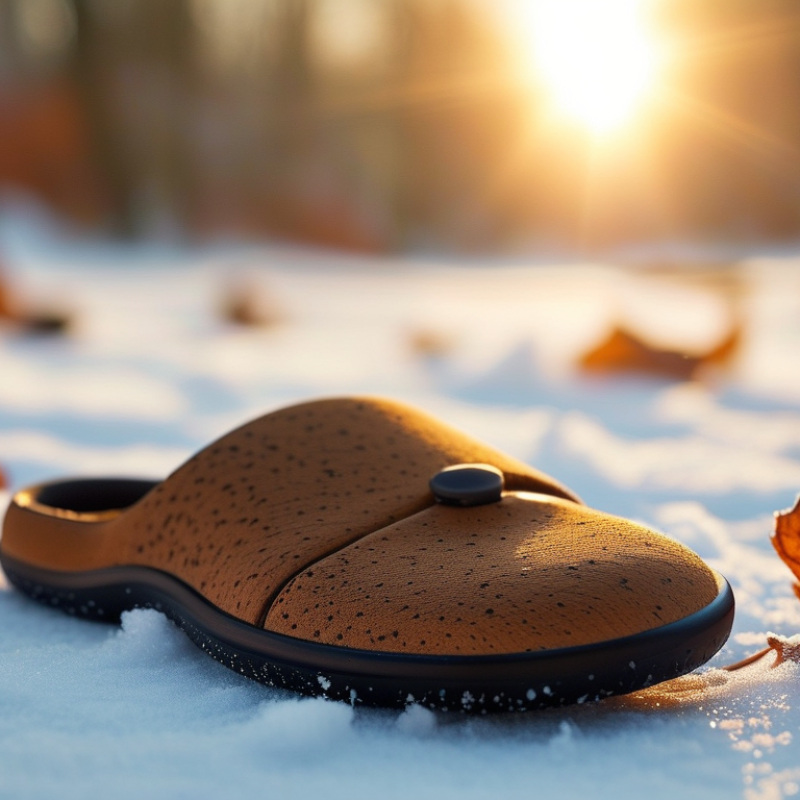
In 2026, the demand for effective toe warmers is set to grow. Reports indicate a projected market increase of 15% annually, driven by innovations and consumer preferences for sustainability. Many people seek warmth and comfort during cold months. New materials enhance heat retention while being eco-friendly.
One trend observed is the integration of smart technology. Some products now feature temperature control and automatic shut-off, improving safety and usability. Data suggests users value these advancements, making informed choices based on functionality. Research shows that portable and reusable options will dominate the market, appealing to environmentally conscious consumers.
Tips for selecting toe warmers:
When choosing toe warmers for the colder months, it's crucial to understand the differences among electric, chemical, and heated soles. Each type has unique features and effectiveness. A recent report found that electric toe warmers are becoming increasingly popular, especially among outdoor enthusiasts. These devices can provide consistent heat for hours, making them ideal for long-lasting comfort in extreme conditions.
Chemical toe warmers are another option. They rely on exothermic reactions to produce heat. They're portable and easy to use, making them suitable for short outings. However, their warmth typically lasts only a few hours, which may not be sufficient for prolonged activities. Users must be cautious about placement, as uneven distribution can lead to hot spots or insufficient warmth.
Heated soles offer a novel solution by integrating heating elements directly into footwear. This technology is still evolving, and many users report mixed experiences. Some complain about battery life or weight. Nonetheless, they provide an innovative way to keep feet warm without bulky accessories. The choice ultimately depends on the activity and duration of use, as well as individual preferences.
When selecting toe warmers for various activities, key features are vital. Understanding heat duration, size, and intended use can enhance comfort. Reports indicate that up to 35% of outdoor enthusiasts suffer from cold feet during winter activities. Choosing the right toe warmer can help mitigate this issue.
Material plays a crucial role. Many toe warmers use natural ingredients, such as iron or charcoal, for heat generation. An ideal warmer should provide consistent warmth for at least six hours. Users must also consider safety. Lightweight designs that fit well inside footwear are essential to ensure mobility.
Tip: Test your toe warmers at home before heading out. This ensures they work as expected. Monitor heat levels to avoid discomfort.
Lastly, the climate and activity type determine the best choice. For skiing or snowboarding, opt for thicker, highly effective products. In contrast, runners might prefer lighter options. Finding the balance between warmth and comfort often requires personal experience and trial.
Understanding consumer preferences in the toe warmer market reveals significant trends. Recent research indicates that 68% of consumers prioritize warmth when selecting toe warmers, while 45% value portability. Younger demographics, particularly those aged 18-34, show a strong inclination towards eco-friendly products. Sustainability matters to them, making it a key factor in purchase decisions.
Tips for choosing a toe warmer: Opt for products that provide reliable heat sources. Look for those with adjustable temperatures for personalized comfort. Consider lightweight options for ease of transport, especially if you are active outdoors.
The data also highlights a growing trend towards smart technology in toe warmers. Reports suggest that 39% of potential users are interested in devices that can be controlled via a smartphone app. However, with this technology comes a need for reliability. Users have expressed concerns about battery life and connectivity issues. Addressing these concerns is essential for manufacturers aiming to meet consumer needs effectively.
The toe warmer market has seen a remarkable shift towards sustainability. Many companies now recognize the environmental footprint of their products. The production of traditional toe warmers typically generates significant waste. According to a recent report by the Sustainable Products Association, approximately 30% of toe warmer materials end up in landfills. This raises concerns about the overall ecological impact.
Innovative brands are launching eco-friendly alternatives. These new products often utilize biodegradable materials or recyclable packaging. In fact, some toe warmers now incorporate plant-based components. The movement towards reducing carbon emissions is crucial. Research indicates that sustainable manufacturing can reduce carbon footprints by up to 60%. Shoppers are more aware and increasingly seek out greener options.
Tip: When selecting a toe warmer, check for certifications. Look for labels that indicate environmentally friendly practices. Knowing your product’s lifecycle can help you make informed choices. Every small step counts in supporting sustainable development. Reflect on how your purchasing choices impact the environment. Making mindful decisions can lead to significant changes over time.
: Key features include heat duration, size, material, and intended use. These factors enhance comfort during activities.
An ideal warmer gives consistent warmth for at least six hours. Testing at home is wise before use.
Many use iron or charcoal for heat. These materials help generate warmth effectively.
Yes, but users must ensure lightweight designs fit well in footwear. This prevents mobility issues.
For skiing, choose thicker options. Runners may prefer lighter, less bulky warmers for comfort.
Traditional toe warmers contribute to waste. Reports suggest 30% ends up in landfills, raising ecological concerns.
Yes, some brands offer biodegradable materials or recyclable packaging. These options lessen environmental impact.
Look for certifications indicating eco-friendly practices. Making informed choices supports sustainability.
Increased awareness encourages companies to adopt greener options. Your choices can drive positive change.
Consider the environmental impact of your purchase. Mindful decisions can lead to significant changes over time.
As we look ahead to 2026, the toe warmer market is poised for significant advancements, driven by emerging trends and innovations. Consumers can expect a variety of options, including electric, chemical, and heated sole designs, each catering to diverse activities and preferences. When selecting toe warmers, it is essential to consider key features such as warmth duration, comfort, and convenience, ensuring they meet specific needs.
Additionally, understanding consumer preferences and demographic trends reveals important insights into how different groups utilize toe warmers, highlighting a growing focus on environmental impact and sustainability within the industry. As manufacturers expand their efforts towards eco-friendly materials and processes, the future of toe warmers looks bright, aligning user demands with responsible practices.

Fuqin