Choosing the right Foot Warmer starts with understanding how warmth is delivered, stored, and controlled. The main options include disposable chemical warmers, rechargeable electric warmers, heated insoles, thermal socks, and insulated slipper-style warmers. Each type serves a different setting. A thin adhesive warmer may suit a snowy commute, while a rechargeable insole better fits long outdoor work.
Industry data shows growing interest in wearable heating. Grand View Research reports that the global heated clothing market is expanding steadily, supported by outdoor recreation, winter work, and cold-climate demand. MarketsandMarkets also identifies battery-powered heating as a major growth area within wearable thermal products. However, these reports usually combine heated jackets, gloves, socks, and insoles. Standalone Foot Warmer figures remain less precise. That limitation matters.
Podiatrist Dr. Jacqueline Sutera has emphasized a practical principle: “Warmth should support comfort and circulation, not replace properly fitting footwear.” Her point deserves attention. A warmer that compresses the toes may create discomfort instead of relief. Moisture can become another problem. Wet socks often feel colder than dry, breathable layers.
Small differences matter.
This guide compares the top types of Foot Warmer by heat source, runtime, comfort, safety features, and everyday use. It also considers battery charging, skin sensitivity, and temperature control. No single design wins every situation. Personal habits, footwear space, activity level, and local weather can change the better choice. Some marketing claims sound impressive, but real-world performance may vary.
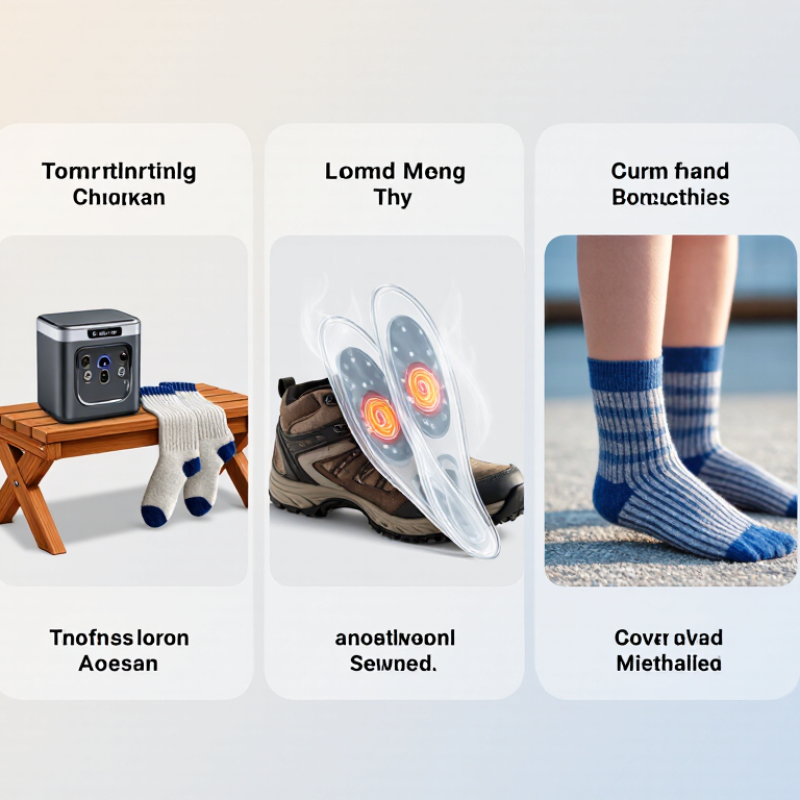
Foot warmers are small devices that transfer heat to cold feet. They work by chemical reactions, electrical resistance, or stored thermal energy. The chemistry is simple. Chemical warmers combine iron powder, salt, water, and activated carbon. Oxygen triggers oxidation, producing steady heat for several hours.
The main types include adhesive chemical pads, reusable gel packs, phase-change inserts, and battery-powered insoles or socks. Adhesive pads suit short outdoor activities, while reusable packs support repeated use. Electric designs usually provide adjustable warmth through thin resistance wires. They can heat the toes more evenly, but batteries add weight and require charging. Phase-change inserts absorb heat during warming and release it gradually inside a shoe. Not always evenly. Tight footwear can reduce airflow and create uncomfortable hot spots.
Grand View Research’s 2024 Heated Clothing Market Size report estimated the global heated clothing market at about 1.9 billion U.S. dollars in 2023. It also projected an 8.6% compound annual growth rate through 2030. This figure covers heated clothing broadly, not foot warmers alone. The National Fire Protection Association reported an annual average of 48,530 home heating equipment fires from 2016 to 2020. That statistic is not foot-warmer-specific, but it supports careful use. Check cables, avoid sleeping with active electric warmers, and never place heat against numb skin. I would not treat maximum heat as better. A warm toe is useful; a red patch is a warning.
What Are the Top Types of Foot Warmers?
Electric Foot Warmers for Adjustable, Continuous Heat
Foot warmers come in several forms, including heated insoles, warming socks, foot mats, and enclosed foot warmers. Electric foot warmers are especially useful when you need adjustable, continuous heat at a desk or reading chair. Many models offer several temperature levels and steady heat through a wired or rechargeable power source. A simple control can change the warmth without removing your shoes.
Small details affect daily comfort. A foot warmer should leave space for both feet, feel stable on the floor, and have controls within easy reach. I find low heat comfortable for long work sessions. Higher settings can feel excessive after only ten minutes. That surprised me. Thick socks may also trap more heat than expected.
Safety deserves careful attention. Choose a product with automatic shutoff, insulated wiring, and clear operating instructions. Check the cord for damage before each use. Keep the warmer dry, and avoid folding heating elements tightly. People with reduced sensitivity or circulation problems should ask a healthcare professional before using heated products. A timer can help prevent accidental overnight use, although it is not a substitute for supervision.
Electric foot warmers are not perfect in every setting. A mat may warm the soles well but leave the toes cooler. An enclosed warmer can feel more balanced, yet it may become uncomfortable in a warm room. Testing the lowest setting first gives you better control.
Electric foot warmers provide adjustable, continuous heat in several formats. The chart shows approximate operating temperature ranges commonly associated with each type; actual performance varies by design, insulation, ambient temperature, and heat setting.
Heated mats cover a wider area, while socks, insoles, slippers, and enclosed warmers place heat closer to the feet. Adjustable controls help users select a lower setting for extended use or a higher setting for faster warming.
Among the top types of foot warmers, chemical warmers are simple to carry. They use an iron-based oxidation reaction after exposure to air. A sealed packet can warm boots without batteries, wires, or charging.
Typical products provide heat for six to twelve hours. Cold, moisture, and airflow can change performance.
In practical use, placement matters more than expected. A warmer under the toes feels useful. One beneath the heel may feel bulky.
Demand reflects wider outdoor activity. The 2024 Outdoor Industry Association Participation Trends Report recorded 175.8 million U.S. outdoor participants in 2023. This figure does not measure foot-warmer sales. It does show a large audience facing cold conditions.
Fortune Business Insights’ 2024 Hand Warmers Market report estimated the global market at approximately 1.8 billion dollars in 2023. It also projected continued growth through 2032. These figures support convenience, not automatic safety.
Use chemical warmers according to their instructions. Place them over socks, not directly against bare skin. Check the packet before use. Discard damaged or unusually hot warmers.
The U.S. Consumer Product Safety Commission emphasizes caution with products that create prolonged heat exposure. Heat can feel mild while skin temperature rises.
I would not treat a six-hour claim as a guarantee. Footwear insulation, circulation, and personal sensitivity all matter. Sometimes, less heat is safer.
What Are the Top Types of Foot Warmers?
Microwaveable foot warmers offer reusable comfort without cords, batteries, or constant electricity. They usually contain dried grains, clay beads, or gel packs inside a washable fabric cover. Warm one according to the instructions, then place it beneath cold feet or around the ankles. The heat feels gentle, especially after several minutes on a hard winter floor. Not quite instant.
Market data supports interest in personal warming products. Grand View Research estimates the global heating pad market at about US$1.3 billion in 2023, with continued growth expected. The U.S. Energy Information Administration reports that space heating represented roughly 42% of household energy use in its Residential Energy Consumption Survey. A reusable foot warmer cannot replace room heating, but it may provide targeted comfort with less energy. That distinction matters in small rooms and home offices.
Safe use requires practical judgment. Check the warmer for dampness, torn seams, or unusual odors before heating it. Test the temperature against your wrist before placing it near sensitive skin. Never exceed the stated microwave time, and avoid sleeping with it. I still find heating times easy to misjudge, especially with powerful microwaves. Small detail. Let the warmer cool fully before reheating it, and follow the care guidance for its filling. Comfort is useful, but controlled comfort is better.
| Foot Warmer Type | How It Produces Heat | Reusable? | Typical Warmth Duration | Heat Control | Main Advantages | Key Considerations | Best For |
|---|---|---|---|---|---|---|---|
| Microwaveable Foot Warmer | Heat-retaining materials, such as grain, seed, clay, or gel packs, are warmed in a microwave. | Yes, when used and maintained according to the care instructions. | Approximately 30–90 minutes, depending on the filling, cover, room temperature, and microwave settings. | Limited; warmth is adjusted mainly through heating time and resting time. | Soft, portable, quiet, cordless, and generally economical for repeated home use. | Must be heated for the specified time; overheating can damage the warmer or cause burns. It should be checked before contact with skin. | Relaxing at home, reading, resting, or warming cold feet in bed. |
| Electric Heated Foot Warmer | An electrical heating element warms a fabric foot pocket or enclosed foot pad. | Yes, as long as the electrical components remain in good condition. | As long as it remains connected to a suitable power source; many models include timed shutoff. | Usually adjustable through multiple heat settings. | Consistent warmth, quick heating, and convenient temperature adjustment. | Requires access to an electrical outlet and careful cord management. It should not be used while wet or with damaged wiring. | Desk work, home offices, bedrooms, and extended indoor use. |
| Battery-Powered Heated Foot Warmer | Rechargeable or replaceable batteries supply power to integrated heating elements. | Yes; batteries or rechargeable cells require periodic replacement or charging. | Commonly several hours per charge, depending on the battery capacity and selected heat level. | Often offers low, medium, and high settings. | Cordless and portable, making it practical for outdoor activities or travel. | Battery performance decreases in cold conditions, and the warmer must be recharged or supplied with replacement batteries. | Outdoor events, commuting, travel, camping, and cold workplaces. |
| Air-Activated Disposable Foot Warmer | Iron powder and other ingredients react with oxygen after the package is opened, releasing heat. | No; most are designed for one-time use. | Often up to several hours, depending on airflow, temperature, and product design. | Not adjustable; heat output changes naturally during use. | Thin, lightweight, convenient, and ready to use without electricity or a microwave. | Creates waste and should be used as directed. It should not be placed directly against bare skin unless the instructions specifically allow it. | Short trips, winter sports, hiking, and occasional outdoor use. |
| Reusable Chemical Heat Pack | A supersaturated solution crystallizes after activation and releases stored heat. | Yes, after being reset according to the manufacturer’s instructions, often by heating the pack in water. | Typically 30–120 minutes, depending on size and ambient conditions. | Usually limited; activation starts the heating cycle. | Compact, reusable, and does not require a microwave during activation. | It must be fully reset before reuse, and damaged or leaking packs should be discarded. | Small-area warming, travel, and situations where a microwave is unavailable. |
| Insulated Foot Warmer or Thermal Slipper | Insulation and reflective or fleece materials reduce heat loss and retain body warmth rather than generating heat. | Yes, with routine cleaning and proper drying. | Continuous while worn, provided the feet and surrounding environment supply enough warmth. | No active heat control; warmth depends on insulation, fit, and socks worn underneath. | Lightweight, silent, washable in many designs, and free from batteries or cords. | Provides less active heat than powered products and may be insufficient for very cold conditions or poor circulation. | Indoor use, mild cold, travel, and people who prefer passive warmth. |
Safety note: Check the care instructions before heating or washing any foot warmer. Use a protective layer when recommended, inspect the product for damage, and stop using it if the skin becomes uncomfortably hot or irritated.
Heated insoles and heated socks provide practical warmth for active winter protection. They suit hikers, commuters, outdoor workers, and spectators.
Heated insoles warm the sole and heel, where cold often enters through frozen ground. Heated socks distribute warmth around the toes, feet, and lower legs. This wider coverage can feel better during long periods outdoors.
Choose insoles when your shoes have enough space and you want direct warmth underfoot. They work well for walking on snow, standing at outdoor events, or riding a bicycle. Heated socks may be more useful for ski boots or loose winter footwear. Check the fit carefully. Tight socks can restrict movement and reduce comfort. A small battery pack should sit securely without pressing against the ankle.
Moisture management matters as much as heat. Damp fabric can make warm feet feel cold again. Wear a moisture-wicking base layer and change wet socks promptly. Follow the heating product’s charging and washing instructions. Inspect cables, batteries, and fabric before each outing. Stop using the item if it becomes unusually hot or damaged. People with reduced foot sensitivity should seek medical advice before using heated products.
I once underestimated shoe space. The extra layer made my toes cramped. That mistake was avoidable. Test the complete setup indoors, then walk briefly outside. Adjust the heat level as conditions change. Maximum warmth is not always the safest or most comfortable choice.
Foot warmers are small devices that transfer heat to cold feet. They may use chemicals, electricity, or stored thermal energy.
Iron powder reacts with oxygen, salt, water, and activated carbon. This oxidation process creates steady warmth for several hours.
Common types include adhesive pads, reusable gel packs, phase-change inserts, heated insoles, warming socks, and foot mats.
An electric mat or enclosed warmer can provide continuous heat near a chair. Adjustable settings help control comfort during long sessions.
Not always. They offer adjustable warmth, but batteries add weight, and some designs leave the toes cooler.
Place them over socks, not directly on bare skin. Inspect the packet first, and discard damaged or unusually hot warmers.
Yes. Tight footwear can reduce airflow and create uncomfortable hot spots. Leave enough room for natural movement.
Look for automatic shutoff, insulated wiring, and clear instructions. Check cables before use, keep the device dry, and avoid tight folding.
Avoid sleeping with active electric warmers. A timer reduces risk, but supervision still matters.
Start low. Higher heat may feel excessive after ten minutes, especially with thick socks or insulated footwear.
Foot warmers are designed to raise and maintain the temperature around your feet, helping improve comfort in cold environments. A Foot Warmer may use electricity, chemical heat, or materials that retain warmth. Electric foot warmers provide adjustable, continuous heat and are useful at home, in offices, or while resting. Chemical foot warmers are lightweight and portable, producing warmth on demand without requiring a power source, making them convenient for outdoor activities and travel.
Microwaveable foot warmers offer a reusable option by storing heat in soft, insulated materials that can be warmed repeatedly. Heated insoles and socks are designed for active winter protection, fitting into footwear or directly around the feet while allowing greater freedom of movement. Each type has different advantages, so the best choice depends on how long warmth is needed, where it will be used, and whether portability, adjustability, or reusability is most important. Proper use and careful temperature control can help provide comfortable warmth without overheating.

Fuqin